What is Electricity?
By R.W. Hurst, Editor
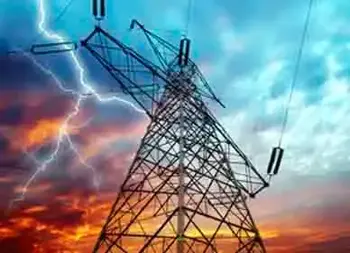
Electricity is the controlled movement of electric charge through materials, allowing energy to be transported, regulated, and converted into light, heat, motion, and stored chemical energy in modern electrical systems.
What Is Electricity
Electricity is the controlled movement of electric charge through a material. In practical systems, this movement occurs when electrons drift through a conductive path under the influence of an electric field, or voltage. When that movement follows a complete circuit, energy can be transferred, regulated, and converted into useful forms such as light, heat, motion, or stored chemical energy.
Electricity is neither a substance nor a fuel. It is a physical behavior that allows energy to be transported with exceptional precision. Its usefulness comes from how easily its flow can be guided, measured, interrupted, or redirected without altering the original source of energy.
An electric charge only becomes useful when it moves through a closed circuit, allowing energy to flow from its source to where it is needed, whether that energy originated in nuclear, solar, or wind energy. This ability to transmit power over long distances enabled the modern power industry to grow, turning primary energy sources into practical electrical systems that can light homes, run factories, and support digital networks.
Long before today’s energy transition, Thomas Edison demonstrated how controlled electric current could illuminate an incandescent light bulb, proving that electricity could be safely delivered and used in everyday life. Although electrons themselves move slowly, the electrical signal can effectively travel at the speed of light, making it one of the fastest and most reliable ways to transfer energy across modern society.
Everything from a household outlet to a data network depends on this same controlled behavior of moving charge.
Electric Charge and Motion
All matter contains charged particles. Protons carry a positive charge, electrons carry a negative charge, and under normal conditions, these charges remain balanced. Electrical energy arises when electrons are driven to move away from equilibrium and into motion.
That motion is not chaotic. It follows defined paths created by conductive materials and shaped by circuit design. Although individual electrons move slowly, the electrical effect travels through a circuit almost instantly, allowing energy to be delivered with remarkable speed and consistency.
This electrical behavior explains why it feels immediate even though it is produced and transported through physical materials. The steady flow of charge is examined more closely in our explanation of what is current electricity.
Electricity as a Working Medium
Electricity’s importance lies less in its power than in its controllability. Engineers can regulate its pressure, limit its flow, reverse its direction, store it briefly, and convert it into other forms with reliable outcomes.
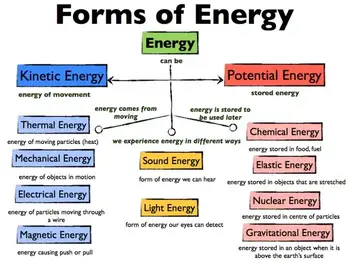
A motor turns because electrical energy becomes mechanical motion. A heater works because electrical energy is converted to thermal energy. A battery stores energy chemically that was delivered electrically. Data travels because electrical signals can be shaped into precise patterns. These transformations are rooted in the broader concept of electrical energy and its practical applications.
In this role, electrical energy flow serves as a universal working medium, enabling different forms of energy to interact within a single coordinated system.
How Circuits Make Electricity Useful
Electricity only performs work when it is guided. Circuits provide that guidance.
A basic circuit creates a continuous loop that allows charge to leave a source, pass through a load, and return. When that loop is broken, movement stops. When it is restored, energy flows again.
More complex systems add layers of protection, control, and regulation, but the underlying principle remains unchanged. Electricial energy requires a complete path, and its behavior is governed by how that path is designed. A clear foundation for this behavior is outlined in what is an electrical circuit.
Readers who want a deeper look at this relationship can explore the interactions among voltage, current, and resistance in our guide to how electricity works.
Why Electricity Is an Energy Carrier
Electricity does not exist in nature in a ready-to-use form. It must be created by converting other types of energy. For this reason, it is classified as a secondary energy source.
Mechanical motion, chemical reactions, and radiant energy can all be transformed into electrical form. Once converted, electric power becomes far easier to transport and distribute than the original energy source. The practical process behind this conversion is explored in detail in our article: how is electricity generated.
This conversion does not destroy energy. It reorganizes it into a form that can be delivered efficiently and used precisely where it is needed.
Predictability, Measurement, and Control
One of electricity’s greatest advantages is its predictability. Its behavior follows consistent physical laws that allow accurate calculation and safe design.
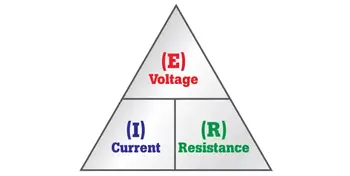
Voltage, current, power, and energy consumption are measured using standardized units. These measurements allow systems to be scaled from tiny electronic circuits to massive industrial networks without changing the underlying principles. For example, the role of electrical pressure itself is explained in our overview of voltage.
Because it can be measured so reliably, engineers can design systems that remain stable even under changing loads and operating conditions.



Electricity in Everyday Systems
Most people encounter electricity only through its results. Lights turn on. Devices respond. Machines operate. The electrical behavior behind those outcomes remains hidden.
Yet that hidden behavior follows the same physical rules whether it is inside a phone charger or a manufacturing plant. What changes is not its nature, but how carefully it is managed. Not all electrical behaviour involves continuous flow, as in static electricity, where charge accumulates rather than circulates.
Why Modern Technology Depends on Electricity
Electricity is often associated with innovation, but its true value lies in reliability. It provides a stable platform on which countless technologies can operate together.
Communication networks, medical equipment, automation systems, transportation controls, and data infrastructure all depend on predictable electrical behavior. Without that stability, modern systems could not coordinate at the scale required today. In many of these systems, the distinction between supply types is essential, which is why the practical comparison of the difference between AC and DC remains so important.
For readers interested in how steady charge flow behaves in real circuits, our overview of current electricity explains how electrical motion is maintained and controlled in practical applications.
Related Articles