Motors and Drives

Electric Motor Design Engineering

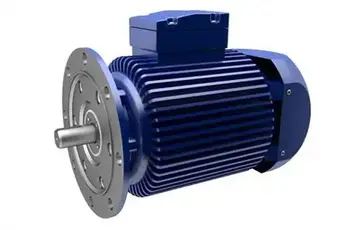
Electric motor design enhances efficiency, torque, and speed control by applying principles of electromagnetism. Optimized stator, rotor, and winding configurations deliver reliable performance, durability, and energy savings across industrial power applications.   Electric Motor Design: Real-World Examples and Uses VFD Training Electric Motor Testing Training Request a Free Training Quotation   Types of Electric Motors Electric motors, including both AC motors and DC motors, come in a wide range of shapes and sizes. Some are standardized for general-purpose use, while others are tailored for specific applications. The main categories include: AC Induction Motors – rugged, low-cost, and common in industrial…
View more

Download Our FREE Motors and Drives Handbook
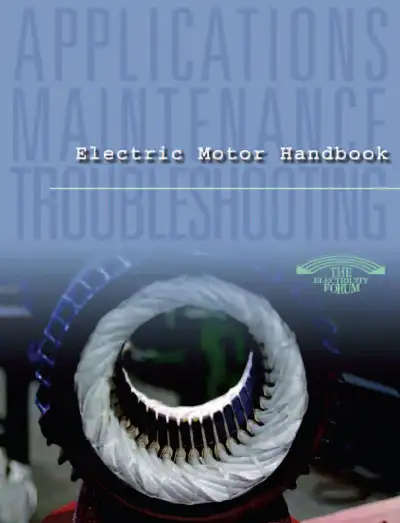
Electric Motors Handbook Vol. 1

This 100+ page handbook provides critical information to achieving efficient use and maximum motor life expectancy, especially motor selection, how an electric motor works, application, protection and control of motors, motor maintenance and testing.

In this edition, we explore the different types of electric motors, including AC, DC, synchronous, and induction motors, offering a detailed breakdown of their construction, working principles, and applications. We also delve into the critical components of electric motors, such as windings, stators, rotors, and bearings, and discuss the role each part plays in motor performance.

Volume 1 provides practical insights into selecting the right motor for specific applications, understanding motor ratings and specifications, and troubleshooting common motor issues. Additionally, this handbook offers guidance on safe installation, proper maintenance practices, and methods for extending the life of electric motors, helping to prevent costly repairs and downtime.

Whether you are involved in the design, installation, operation, or repair of electric motors, Electric Motors Handbook, Vol. 1 equips you with the fundamental knowledge needed to work efficiently and confidently with electric motors. This volume lays the groundwork for further exploration of more advanced motor technologies, providing a comprehensive introduction to one of the most essential technologies in modern engineering.

Latest Motors and Drives Articles
VFD Variable Frequency Drive
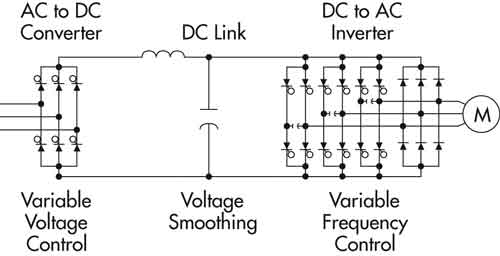
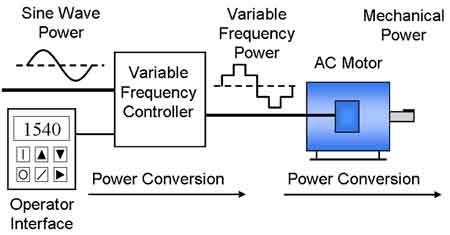
A VFD Variable Frequency Drive controls AC motor speed and torque by adjusting voltage and frequency. They improve motor efficiency, ensure drive performance, and reduce energy consumption in industrial, commercial, and HVAC applications.   Understanding How VFD (Variable Frequency Drive) Works A modern AC drive, also known as an adjustable frequency drive or variable speed drive, allows operators to control the speed of motors by varying the frequency and voltage supplied to the motor windings. At the core of a frequency drive VFD are power electronics such as the insulated gate bipolar transistor (IGBT), which switch rapidly using pulse width…
View more

Synchronous Motors

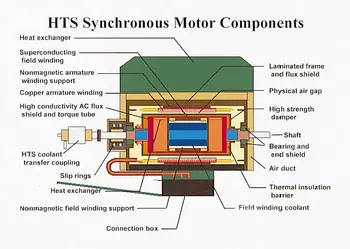
Synchronous motors deliver constant speed, high efficiency, and reliable torque for industrial applications. Using AC power and rotor excitation, they enhance performance in pumps, compressors, and conveyors, ensuring energy savings and durable operation.   The Complete Guide to Synchronous Motors If you want a broader perspective, see our introduction to what a synchronous motor is, which outlines its principles and practical uses. Synchronous motors are commonly designed to operate on three-phase systems, since the rotating magnetic field produced by three phase power provides the stable torque and efficiency required for industrial motor applications.   VFD Training Electric Motor Testing Training Request a…
View more

What is Starting Current? Motor Efficiency Explained

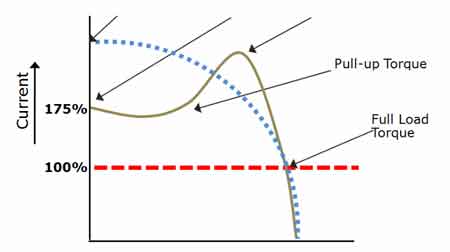
Starting current is the surge of electricity when a motor first begins turning. This inrush current, far higher than normal, influences torque, efficiency, power factor, protective devices, and overall electrical system stability during startup.   What is Starting Current? Starting current is often used interchangeably with inrush current or surge current, both of which describe the brief but intense demand placed on a system when a motor is first energized. In motor applications, this phenomenon is closely related to locked rotor current, the maximum current drawn when the rotor is stationary and torque is required to overcome inertia. At this…
View more

VFD Drives

VFD drives regulate motor speed, torque, and energy efficiency by adjusting frequency and voltage. They improve process control, reduce power consumption, and extend equipment life across industrial, commercial, and HVAC systems.   Basics of VFD Drives in Electrical Engineering VFD Training Electric Motor Testing Training Request a Free Training Quotation VFD drives, also known as variable speed drives, AC drives, or adjustable frequency drives, have become indispensable in nearly every application that utilizes induction motors. Initially designed in the 1980s to reduce energy consumption in centrifugal fans and pumps, they are now integrated into a wide range of equipment supported…
View more

Efficiency Opportunities Through Motor Maintenance
Efficient motor maintenance presents significant opportunities to enhance energy efficiency, prolong equipment lifespan, and lower operating costs. By focusing on reliability, predictive strategies, and performance optimization, facilities can capture long-term efficiency gains.   Efficiency Opportunities Through Motor Maintenance Explained The electricity consumed by a motor in one year costs more than the motor itself, by as much as 10 times. Multiplying this cost by the motor's lifespan puts the necessity of maintaining optimum electric motor control performance into true perspective. Motor maintenance is more than making sure the motor itself is operating correctly. It also involves ensuring that the power…
View more

How Does an Electric Motor Work?

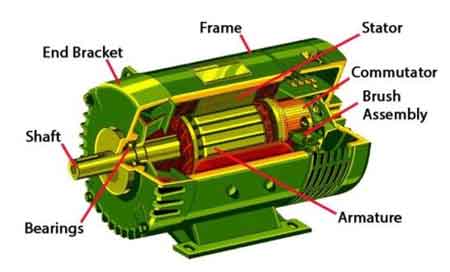
An electric motor works by converting electrical energy into mechanical power through electromagnetism, producing rotation, torque, and speed control that drive equipment and machinery in industrial, commercial, and institutional power systems.   How Does an Electric Motor Work?  Let's explore the fundamental principles behind this device, discuss its key components, and address some common questions about its operation and applications. VFD Training Electric Motor Testing Training Request a Free Training Quotation   Working Principle of Electric Motors The working principle of an AC or DC electric motor relies on electromagnetic principles. When a current passes through a wire, it creates…
View more
Read All Motors and Drives Articles

Motors and Drives News


Download the 2026 Electrical Training Catalog

Explore 50+ live, expert-led electrical training courses –

  • Interactive
  • Flexible
  • CEU-cerified