Electrical Protection
Short Circuit Protection Explained

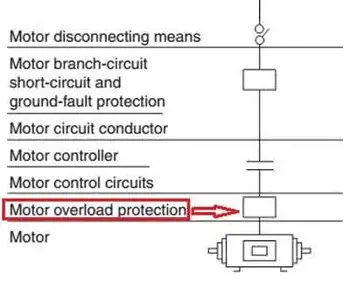
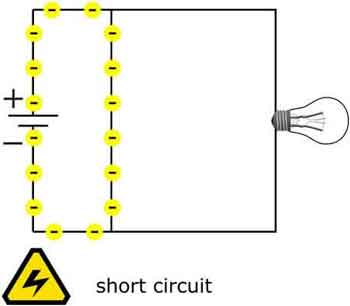
Short circuit protection safeguards electrical systems by interrupting excessive current flow caused by faults. It prevents equipment damage, fire risks, and personal injury by using fuses, breakers, or relays to quickly detect and isolate dangerous short circuits.   The Importance of Short Circuit Protection in Electrical Safety Basic Protection Relay Training Short Circuit Study Training Request a Free Training Quotation Users can effectively mitigate risks associated with short circuits by understanding the various protection devices available, their applications, and the maintenance requirements for each. Through continuous learning, adherence to best practices, and the application of the appropriate protection devices, a safer…
View more

Download Our FREE Electrical Protection Handbook
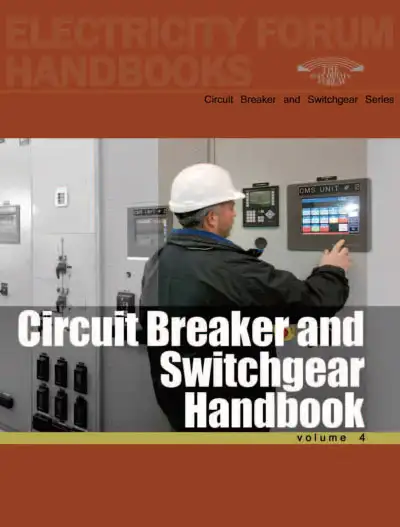
Circuit Breaker & Switchgear Handbook, Vol. 4

This fourth edition of our popular circuit breaker and switchgear series explores in detail circuit breaker and switchgear functions, maintenance, protection and operations. Articles including Magnetic Actuated Circuit Breaker Reality, Applying Low-Voltage Circuit Breakers to Limit Arc Flash, and Enhancing Workplace Safety with Medium Voltage, Metal-Clad Arc Resistant Switchgear are but a few examples of the variety of subjects dealt with in this valuable 100 page book.

In Volume 4, we dive deep into the core principles and technologies behind circuit breakers and switchgear, covering everything from traditional technologies to the latest advancements in digital and smart systems. The book offers detailed insights into the various types of circuit breakers—air, oil, vacuum, SF6, and more—exploring their operational characteristics, design considerations, and selection criteria for different applications. We also examine the different types of switchgear, including medium- and low-voltage switchgear, and their roles in controlling and protecting electrical circuits.

This edition provides comprehensive coverage on the installation, testing, maintenance, and troubleshooting of circuit breakers and switchgear, offering practical guidance on optimizing performance, minimizing downtime, and ensuring compliance with the latest safety and regulatory standards. Case studies and real-world examples further enhance the reader's understanding of best practices and common challenges faced when implementing and maintaining circuit protection systems.


Latest Electrical Protection Articles
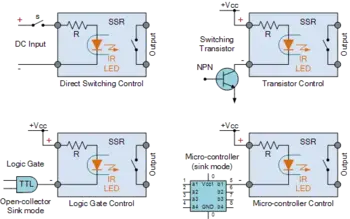
What Are The 7 Reasons to Opt for Solid State Relays?
Reasons to choose solid state relays: SSR advantages include fast switching, zero-cross control, low EMI, galvanic isolation, high reliability, and compact design for AC/DC loads in industrial automation and precision control.   Understanding the Reasons to Choose Solid-State Relays: Principles and Applications 7 Reasons to Opt for Solid State Relays SSRs offer a compelling alternative to traditional EMRs due to their numerous advantages. Their compact size, extended lifespan, low power consumption, fast switching speed, silent operation, minimal EMI noise, and suitability for harsh environments make them a versatile and reliable choice for various applications. For a deeper overview of these…
View more

Types of Short Circuit Faults in a Power System

There are four short-circuit faults in power systems: single-line-to-ground, line-to-line, double-line-to-ground, and three-phase faults. They differ in how conductors contact each other or ground, affecting fault current magnitude, system stability, and protection response requirements during operation.   Single Line-to-Ground Fault This is the most common short circuit in three-phase power systems. It occurs when one energized conductor unintentionally makes contact with earth, creating a fault path to ground.   Line-to-Line Fault This fault occurs when two energized conductors come into direct contact, allowing current to flow between phases without involving ground.   Double Line-to-Ground Fault A double line-to-ground fault occurs…
View more

Transformer Protection

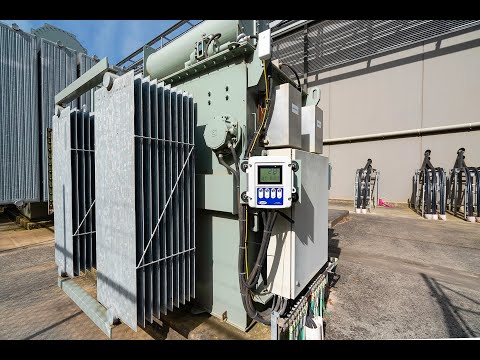
Transformer protection safeguards transformers from faults, overloads, and electrical failures using relays, circuit breakers, and monitoring systems to ensure reliable operation.   The Complete Guide to Transformer Protection Power System Fundamentals Short Circuit Study & Protective Device Coordination Arc Flash Analysis/Study - IEEE 1584 Update   Transformer Protection Faults and Overloads Transformers are protected mostly against internal faults and external overloads. The type of isolation used should minimize disconnection time during faults and reduce the risk of catastrophic failure. Extended operation under abnormal conditions—such as overloads or internal faults—compromises equipment life, underscoring the need for prompt, coordinated protection. For a…
View more

What is Fault Current

What is fault current? The transient short-circuit current driven by source voltage and system impedance, determining fault level, overcurrent protection settings, breaker interrupting ratings, relay coordination, and arc-flash energy in power system design.   What Is Fault Current? What is Fault Current?A fault current is an unintended, uncontrolled, high current flow through an electric power system. A fault current is caused by a very low impedance short circuit. This may be a short to ground or across phases. The resulting high current flow can result in overheating of equipment and conductors, excesses forces, and at times even serious arc flash,…
View more

What Is A Electrical Relay?

What Is a Electrical Relay? An electromagnetic switch that uses a coil to control contacts, enabling low-voltage control, signal isolation, switching loads, automation, and protection in power circuits across industrial, automotive, and control systems.   What Is a Electrical Relay? What Is A Electrical Relay?An electrical relay is a crucial component in electrical engineering, which is important in controlling and protecting electrical circuits. It is classified as a switching device that operates by either opening or closing an electrical circuit. This enables them to control the flow of electrical energy to protect other equipment in the circuit and ensure safe…
View more

Available Fault Current Explained

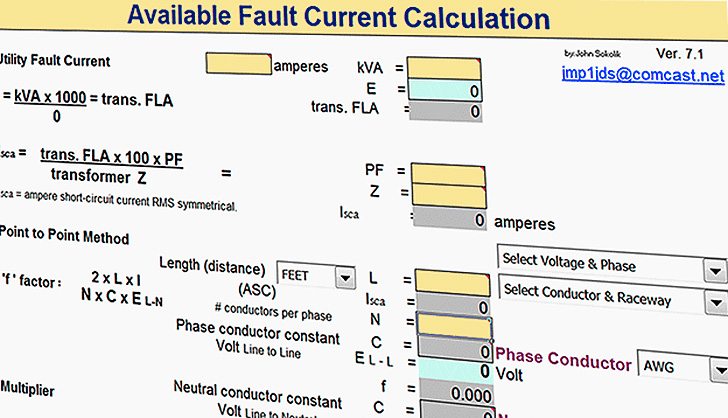
Available fault current refers to the maximum short-circuit current at a specific system point. It depends on transformer size, conductor impedance, and system capacity, and must be calculated for electrical safety, code compliance, and protective device coordination.   Basics of Available Fault Current in Electrical Engineering It represents the maximum current that can flow during a short circuit or electrical short circuit. A proper understanding of available fault current is essential for ensuring that circuit breakers and other protective devices are correctly rated and can safely interrupt the fault without causing damage to the electrical equipment. In this article, we…
View more
Read All Electrical Protection Articles

Electrical Protection News


Download the 2026 Electrical Training Catalog

Explore 50+ live, expert-led electrical training courses –

  • Interactive
  • Flexible
  • CEU-cerified