Building Automation

What is Building Automation - Energy Control Explained

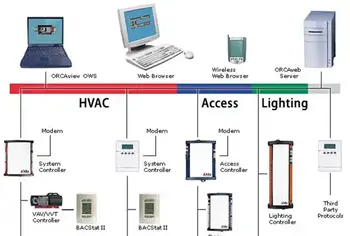
What is building automation? An integrated BAS/BMS using sensors, PLCs, and SCADA to control HVAC, lighting, power distribution, VFDs, and safety systems, improving energy management, demand response, monitoring, reliability, and analytics.   What Is Building Automation? What is Building Automation?Building automation is crucial in creating sustainable, efficient, and comfortable living and working environments. By incorporating advanced technologies like IoT and data analytics, building automation systems can optimize energy consumption, enhance occupant comfort, and promote cost-effective building management. As technology continues to evolve, building automation's potential benefits and applications are set to expand further, making it an essential aspect of modern building…
View more

Download Our FREE Building Automation Handbook
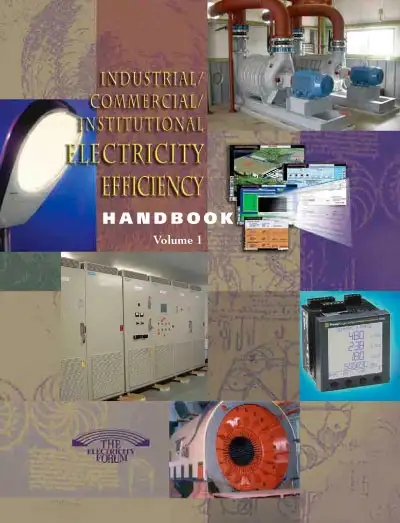
Industrial Electricity Efficiency Handbook Vol.1

This 100+ page handbook is jammed with practical information on how to save energy, increase efficiency by using modern technologies such as variable frequency drives, high efficiency motors, energy efficient lighting, and energy management control systems.

This handbook offers a deep dive into the principles, technologies, and strategies that can drive energy efficiency improvements across various industrial sectors. With a focus on both proven and emerging techniques, it equips readers with the knowledge to reduce energy consumption, minimize environmental impact, and improve operational performance.

Through detailed discussions of energy-saving technologies, case studies, and actionable insights, this volume lays the foundation for building a more energy-conscious industrial environment. Whether you are just beginning to explore energy efficiency initiatives or are looking to optimize an existing program, this handbook provides the tools necessary to navigate the complexities of industrial energy use, making it an indispensable guide for anyone committed to achieving long-term sustainability and efficiency in industrial electricity management.

Latest Building Automation Articles
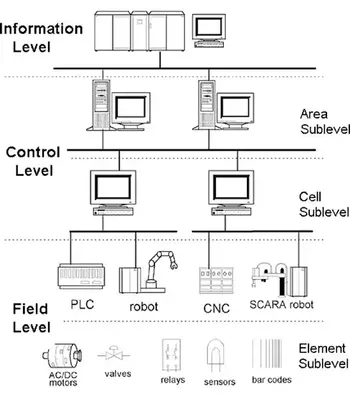
Hierarchical Levels in Industrial Networks

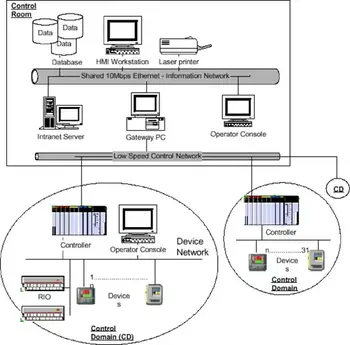
Hierarchical Levels Industrial Networks align device, control, and enterprise layers across PLCs, SCADA, MES, and ERP, using fieldbus, Ethernet/IP, and Profinet to ensure deterministic control, real-time data, cybersecurity, and scalable OT-IT integration.   Hierarchical Levels in Industrial Networks: Overview and Best Practices The industrial automation systems can be very complex, and it is usually structured into several hierarchical levels. Each of the hierarchical level has an appropriate communication level, which places different requirements on the communication network. Figure 1.1 shows an example of the hierarchy of an industrial automation system. For a broader overview of protocols and trends, industrial automation…
View more

Energy Management Controls - HVAC Systems

Energy management controls optimize electrical systems via building automation, IoT sensors, BMS/SCADA integration, demand response, and load-shedding to improve power quality, reduce peak demand, and enhance HVAC, lighting, and motor efficiency in industrial facilities.   Understanding the Role of Energy Management Controls in Power Systems Energy management controls are conservation tools implemented to control heating, energy consumption, lighting systems, heathing ventilation and air conditioning (HVAC) systems. Modern Direct Digital Control (DDC) systems, which can accurately control building systems, have become very cost-effective in recent years. As a result, they are replacing traditional manual and electromechanical building control systems in retrofitted…
View more

Advanced Energy Management

Advanced energy management integrates smart grid analytics, demand response, and SCADA/IoT sensors to optimize loads, enable peak shaving, enhance power quality, and coordinate renewables, storage, and microgrids for efficient, resilient electrical systems.   How Advanced Energy Management Works Advanced energy management systems involve control systems and processes. Control systems can range from a residential thermostat to computer-controlled systems for multiple buildings or industrial process control. Their diligence and repeatability can also help sustain the savings from project improvements for years, further justifying their existence by providing an economic return to the customer. Advanced energy management systems include control technology and…
View more

Building Energy Management Systems Explained
Building Energy Management Systems integrate automation, efficiency, and monitoring of HVAC, lighting, and electrical loads. These systems optimize energy performance, reduce costs, and support sustainability goals for smart buildings and modern facilities.   Building Energy Management Systems Overview and Best Practices Understanding Building Energy Management Systems Building Energy Management Systems are crucial tools for optimizing energy use in industrial, commercial, and institutional facilities. By integrating advanced technologies such as the Internet of Things (IoT), machine learning, and predictive analytics, BEMS enable significant cost savings, improved performance, and measurable progress toward sustainability. The focus of building management systems is on long-term…
View more

Certified Energy Manager

Certified Energy Manager (CEM) professionals optimize energy efficiency, manage sustainability programs, and reduce operational costs through advanced analysis, auditing, and strategic planning for industrial, commercial, and institutional facilities.   What is a Certified Energy Manager? A Certified Energy Manager is a credentialed professional specializing in efficiency, auditing, and sustainability leadership across industrial, commercial, and institutional operations. ✅ Identifies and implements energy-saving strategies ✅ Ensures compliance with energy and environmental standards ✅ Improves performance through data-driven energy management   A CEM is an individual professionally accredited—typically by the Association of Energy Engineers (AEE) or an equivalent body—to design, implement, and monitor…
View more

Building Automation System - HVAC Control

Building automation system integrates electrical controls for HVAC, lighting, and power distribution, using BMS platforms, PLCs, BACnet/Modbus protocols, IoT sensors, and SCADA to optimize energy management, demand response, safety, and predictive maintenance.   Building Automation System Fundamentals In an era of rapidly evolving technology, smart buildings have become crucial to modern infrastructure. With the advent of the Internet of Things (IoT), facility managers are increasingly adopting advanced systems to monitor and control various parts of a building's performance. One such solution is the Building Automation System (BAS), which focuses on improving energy efficiency and occupant comfort and reducing maintenance costs.…
View more
Read All Building Automation Articles

Building Automation News


Download the 2026 Electrical Training Catalog

Explore 50+ live, expert-led electrical training courses –

  • Interactive
  • Flexible
  • CEU-cerified