Electrical Transformers
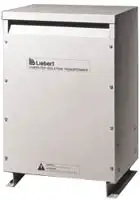
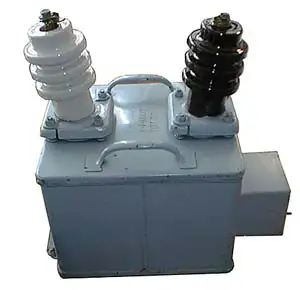
Isolation Transformer

An isolation transformer provides electrical separation between the primary and secondary windings, enhancing safety, reducing noise, and protecting equipment. Commonly used in sensitive electronics, medical devices, and industrial systems, it prevents ground loops and ensures stable power quality.   Isolation Transformer Overview and Best Practices Its ability to provide electrical isolation, voltage conversion, noise reduction, and enhanced power supply stability makes it an essential component in modern electronic applications. By understanding its functions and benefits, we can appreciate its invaluable contribution to electrical power systems. Electrical Transformer Maintenance Training Substation Maintenance Training Request a Free Training Quotation At the heart of…
View more

Download Our FREE Electrical Transformers Handbook
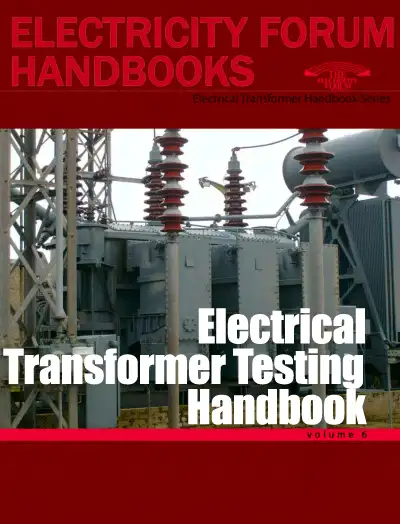
Electrical Transformer Testing Handbook, Vol. 6

The better the efficiency of a transformer, the better your investment.

The Electrical Transformer Testing Handbook, Volume 6 provides a comprehensive guide to the testing, diagnosis, and maintenance of electrical transformers. This volume is designed for engineers, technicians, and maintenance professionals who are responsible for ensuring the reliability and safe operation of transformers in power generation, transmission, and distribution systems. Whether you are working in a utility setting, industrial plant, or with renewable energy systems, this handbook offers essential insights and practical advice for all stages of transformer testing and maintenance.

In this edition, we explore the various methods and techniques used to test transformer performance, including insulation resistance testing, turns ratio testing, winding resistance measurements, and dielectric tests. We also cover key diagnostic procedures such as transformer oil analysis and partial discharge testing, which help identify early signs of damage or deterioration, enabling proactive maintenance and minimizing the risk of failure.

Volume 6 delves into transformer fault detection, performance evaluation, and troubleshooting, providing a detailed understanding of common transformer issues such as winding faults, core saturation, and insulation breakdown. The handbook also addresses the latest advancements in transformer testing technologies, including online monitoring systems and automated diagnostic tools that enhance testing accuracy and efficiency.

Latest Electrical Transformers Articles
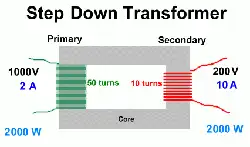
Step Down Transformers Reduce High Voltage
A step down transformer determines whether electrical equipment receives controlled, survivable voltage or destructive overvoltage. In power distribution, the difference between safe operation and insulation failure often begins with how accurately the high supply voltage is reduced before it reaches loads. When this conversion is poorly specified or misunderstood, the result is not merely inefficiency, but accelerated equipment aging, nuisance failures, and elevated shock risk. A step down transformer is designed to reduce higher AC voltage to a lower, usable level through electromagnetic induction while maintaining frequency stability. It performs this conversion by transferring energy between primary and secondary windings…
View more

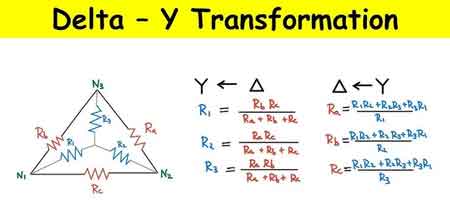
Delta to Wye Conversion

Delta to Wye conversion transforms a triangle-shaped (Δ) circuit into a Y-shaped network, improving grounding, balancing three-phase loads, and simplifying power system analysis. It’s essential for transformer design, circuit simplification, and safe energy distribution.   Delta to Wye Conversion Fundamentals Electrical Transformer Maintenance Training Substation Maintenance Training Request a Free Training Quotation   Understanding Delta and Wye Networks In a delta (Δ) network, three resistors—typically labelled R1, R2, and R3—are connected end-to-end in a triangular formation. Each corner of the triangle connects to a pair of nodes, making it a common configuration in older transformer and motor designs. By contrast, a wye…
View more

Potential Transformer Explained

A potential transformer (PT) is an instrument transformer that converts high system voltage into a precise, lower secondary voltage so that protection systems, meters, and control equipment can see what the power system is actually doing. Without that translation, operators are not observing voltage; they are guessing. PTs exist to make high-voltage behavior measurable, actionable, and safe under both normal and fault conditions. When voltage is measured incorrectly, protection systems misjudge fault conditions, meters misreport system performance, and operators lose reliable visibility into network behavior. Small PT errors can propagate into incorrect relay coordination, delayed breaker operation, and flawed power…
View more

How Much Electricity Does A High-Voltage Transformer Produce
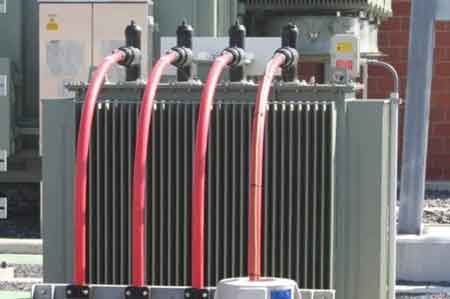
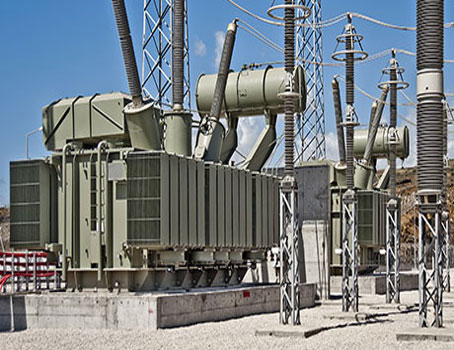
A high voltage transformer doesn't generate electricity—it transfers electrical energy between circuits, often stepping voltage up or down. Output power depends on design, but large units may handle tens to hundreds of megawatts in substations and industrial power systems.   How Much Electricity Does a High Voltage Transformer Produce? For foundational insights, visit our guide on what is a transformer, which explains its core function in electrical systems, including the role of high-voltage variants. High-voltage transformers play a pivotal role in the electrical grid, but have you ever wondered how much electricity they produce? While transformers don’t generate electricity, they are…
View more

Earthing Transformer - Safety and Stability
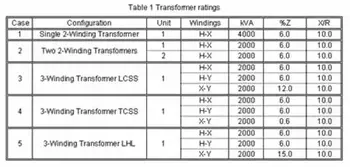
An earthing transformer provides a controlled neutral reference in ungrounded systems to shape ground-fault current, enable predictable protective relay operation, maintain phase-to-ground voltage stability, and reduce equipment risk in industrial and utility power networks. Earthing Transformer: Neutral Reference and Fault Architecture Earthing transformers create a deliberate neutral reference in ungrounded three-phase power systems, ensuring that ground faults result in controlled, measurable fault currents and that protective devices behave predictably rather than by chance. Without this engineered ground reference, phase-to-ground voltages can rise beyond safe limits, relays lack reliable fault directionality, and equipment exposure increases. From a compliance and safety standpoint,…
View more

Transformer Ratings Explained

Transformer ratings define the electrical limits of transformers, including kVA capacity, voltage rating, current, frequency, and cooling class. These parameters ensure safe operation, efficiency, and reliability in power distribution and industrial systems. Transformer ratings describe the operating limits that allow a transformer to perform safely and predictably in real electrical environments. These ratings summarize the voltage and current a unit can supply, its energy efficiency, and its heat management under load. Because every installation has different demands, choosing the right ratings is one of the most important decisions in system design. Electrical Transformer Maintenance Training Substation Maintenance Training Request a…
View more
Read All Electrical Transformers Articles

Electrical Transformers News


Electrical Transformers Articles From ET Magazine

The Role of Transformer Oil Alternatives in Improving Safety and  Environmental Sustainability

The Role of Transformer Oil Alternatives in Improving Safety and Environmental Sustainability

The Growing Need for Safer and Greener Transformer Oils Transformer oil plays a vital role in the operation and longevity of power transformers, providing insulation, cooling, and arc suppression. Traditionally, mineral oil has been the industry standard due to its effective dielectric properties and cost-efficiency. However, growing concerns about fire safety, environmental impact, and sustainability have driven the search for alternative transformer oils. Synthetic esters, natural esters (vegetable-based oils), and silicone fluids are emerging as viable substitutes, offering enhanced fire resistance and biodegradability while maintaining reliable performance. As utilities transition to greener and safer solutions, the role of transformer oil…
View more
Enhancing Transformer Resilience: Fire Barriers and Safety Measures in Modern Substations

Enhancing Transformer Resilience: Fire Barriers and Safety Measures in Modern Substations

The Growing Concern of Transformer Fire Risks An Electrical Substation Transformer is a critical component of modern substations, playing a vital role in the transmission and distribution of electricity. However, due to the high-voltage operations, flammable insulation materials, and exposure to extreme weather conditions, transformers are at significant risk of fire and explosions. A solid foundation for transformer safety starts with thoughtful electrical substation design, ensuring layout and equipment placement mitigate fire risk. The consequences of transformer fires can be severe, leading to equipment damage, power outages, environmental hazards, and, in some cases, loss of life. As utilities expand their grids…
View more
Navigating the Transformer Supply Crunch: Strategies for Utilities Amidst Global Shortages

Navigating the Transformer Supply Crunch: Strategies for Utilities Amidst Global Shortages

The Growing Transformer Supply Crisis The global transformer supply chain is facing unprecedented challenges, with utilities worldwide struggling to procure essential equipment due to material shortages, manufacturing delays, and logistical constraints. Transformers are the backbone of electrical transmission and distribution networks, and their scarcity poses significant risks to grid reliability, infrastructure expansion, and system resilience. As demand continues to outpace supply, utilities must adopt strategic approaches to mitigate risks, ensure the timely acquisition of transformers, and maintain operational stability. Factors Driving the Transformer Shortage Several factors contribute to the current transformer supply crunch. Raw material shortages, particularly of electrical steel,…
View more
MITIGATING TRANSFORMER FAILURES: ADVANCED MONITORING AND MAINTENANCE STRATEGIES

MITIGATING TRANSFORMER FAILURES: ADVANCED MONITORING AND MAINTENANCE STRATEGIES

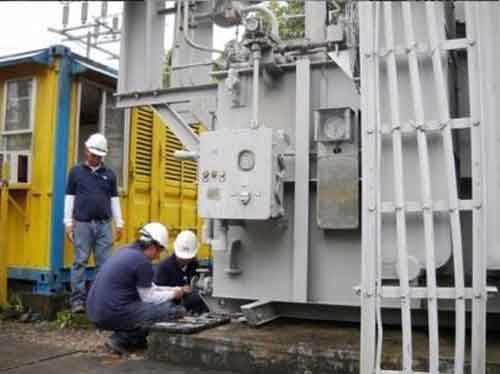
Power transformers are critical assets in electrical transmission and distribution networks. Their failure can lead to widespread outages, costly downtime, and potential safety hazards. As transformers age and operate under varying electrical and environmental stresses, degradation becomes inevitable. However, through advanced monitoring techniques like Dissolved Gas Analysis (DGA) and Frequency Response Analysis (FRA), utilities can proactively identify early signs of failure, enabling preventive maintenance and extending transformer service life. Dissolved Gas Analysis (DGA): A Window into Transformer Health DGA is a well-established diagnostic method used to detect transformer insulation and oil degradation by analyzing the gases dissolved in transformer oil.…
View more

Sign Up for Electricity Forum’s Electrical Transformers Newsletter

Stay informed with our FREE Electrical Transformers Newsletter — get the latest news, breakthrough technologies, and expert insights, delivered straight to your inbox.

Electricity Today T&D Magazine Subscribe for FREE
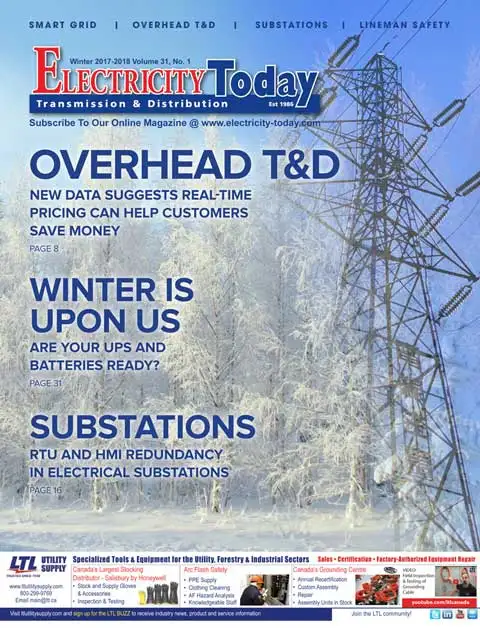
Stay informed with the latest T&D policies and technologies.
  • Timely insights from industry experts
  • Practical solutions T&D engineers
  • Free access to every issue

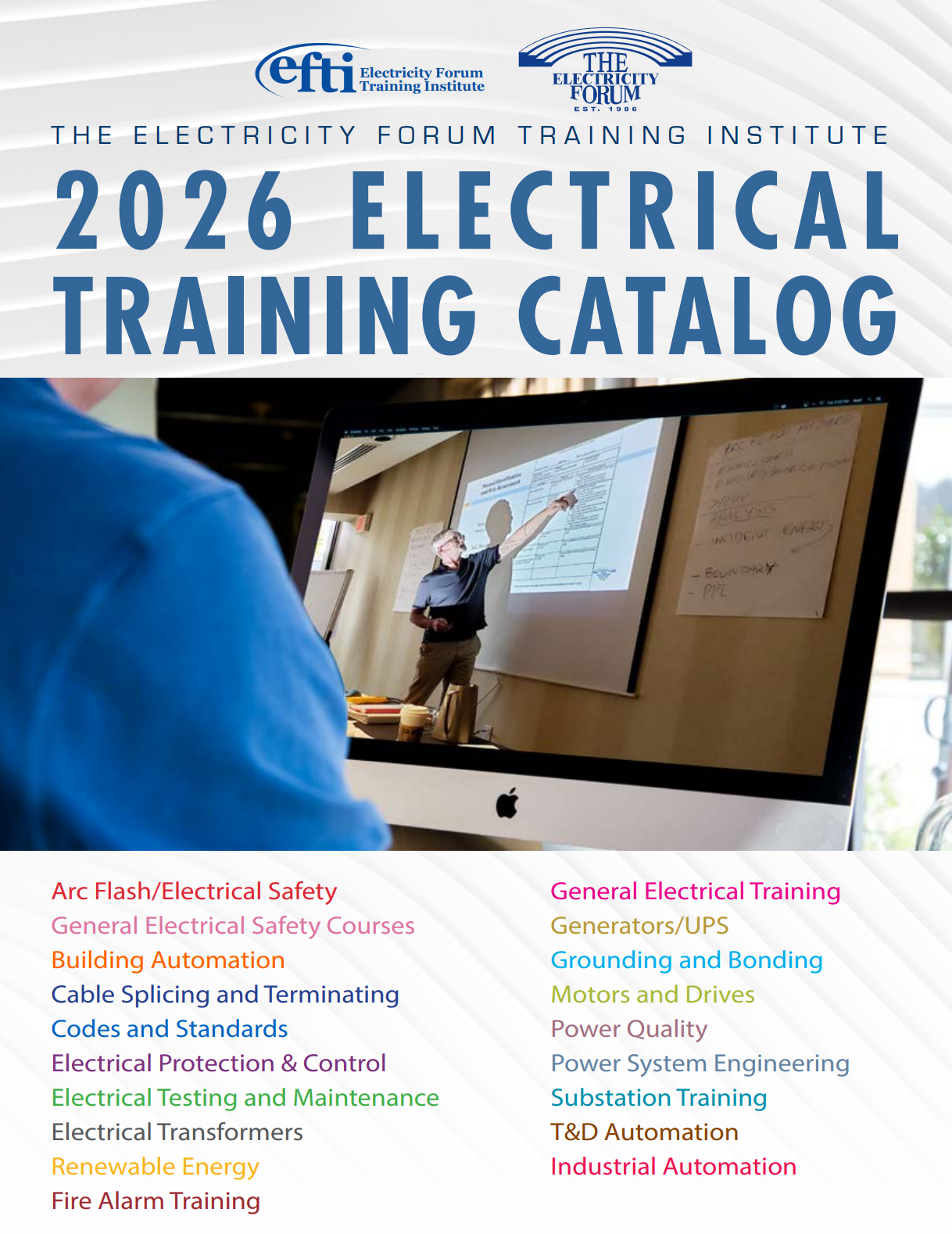
Download the 2026 Electrical Training Catalog

Explore 50+ live, expert-led electrical training courses –

  • Interactive
  • Flexible
  • CEU-cerified