Transformer Grounding Explained
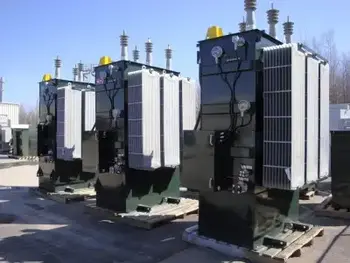
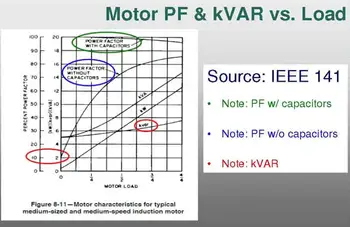
Power Factor Training - Improving System Efficiency
Our customized live online or in‑person group training can be delivered to your staff at your location.
- Live Online
- 6 hours Instructor-led
- Group Training Available
Download Our OSHA 3875 Fact Sheet – Electrical PPE for Power Industry Workers
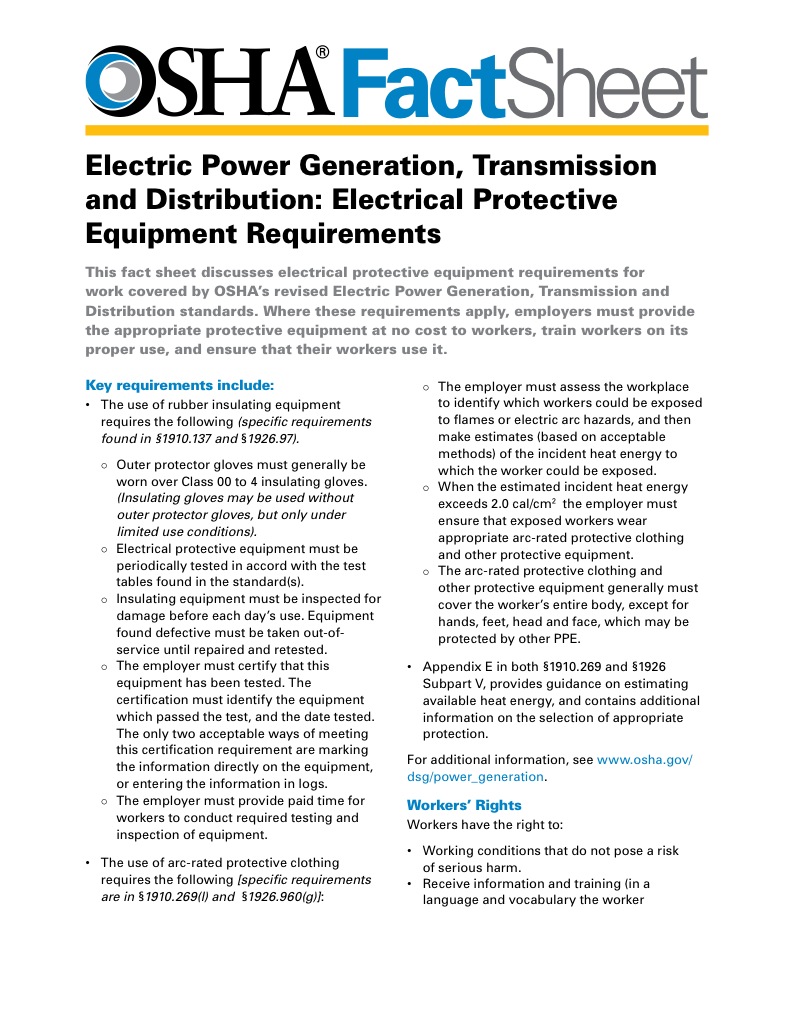
- Follow rules for rubber gloves, arc-rated PPE, and inspection procedures
- Learn employer obligations for testing, certification, and training
- Protect workers from arc flash and electrical shock injuries
Transformer grounding is the method of connecting a transformer's neutral or enclosure to a grounding system to control fault current, stabilize voltage, and limit touch potential. It supports system reliability, reduces shock hazards, and meets code compliance in substations, distribution networks, and industrial facilities.
Explore the complete grounding configuration with a diagram of transformer grounding connection.
The Importance of Transformer Grounding
Grounding is fundamental to the safe and stable operation of electrical systems. By connecting a transformer’s neutral or metallic parts to earth, it:
-
Prevents electric shocks by keeping exposed components at earth potential.
-
Provides a defined fault-current path, allowing protective devices to quickly isolate faults.
-
Stabilizes voltage during both normal operation and fault conditions, especially in high-voltage networks.
-
Protects equipment and system reliability by reducing the risk of damage or outages.
Without effective earthing, transformers and connected systems are exposed to instability, equipment failure, and safety hazards. Effective transformer earthing plays a central role in overall power quality, ensuring system stability and minimizing electrical disturbances.
In transformer installations, proper equipment grounding, combined with bonding jumpers, ensures that all carrying metal parts are safely interconnected. This creates a continuous, effective ground-fault current path, allowing protective devices to quickly clear fault currents. A correctly sized grounding conductor establishes the primary return path for fault current.
In a separately derived system, additional earthing measures are required to maintain safety and compliance. Transformer grounding operates within the broader grounding strategy that establishes system reference and safety, which determines how fault current and touch voltage are controlled.
Purpose of Grounding a Transformer
The main objectives of earthing can be summarized as safety, fault protection, and system stability. By ensuring that the metallic parts of a transformer are at the same potential as the earth, grounding prevents electric shocks. It also provides a low-resistance path for fault currents, allowing protective devices to quickly isolate the problem. Finally, earthing stabilizes voltage levels across the system, especially in high-voltage networks. Transformer grounding operates within the broader grounding strategy that establishes system reference and safety
FREE EF Electrical Training Catalog
Download our FREE Electrical Training Catalog and explore a full range of expert-led electrical training courses.
- Live online and in-person courses available
- Real-time instruction with Q&A from industry experts
- Flexible scheduling for your convenience
What are the Different Methods of Earthing a Transformer?
Several methods are used to ground transformers, each with specific applications and benefits:
-
Solidly Grounded: The transformer neutral point is directly connected to ground, providing a low-impedance path for fault currents.
-
Resistance: A resistor is inserted between the neutral point and ground, limiting fault currents to safe levels.
-
Reactance: A reactor is used instead of a resistor to limit fault currents, which can be useful in systems with high fault levels.
-
Ungrounded Systems: No intentional connection to ground is made, allowing continued operation under a single line-to-ground fault; however, careful monitoring is required.
Each method balances safety, fault-current management, and operational continuity, with the choice depending on the electrical system's design and purpose. Effective transformer grounding requires continuity provided by how bonding maintains continuity between conductive parts to prevent hazardous voltage differences.
Impact on System Protection and Fault Management
Grounding directly influences how faults are detected and managed. A properly grounded transformer channels fault currents through a defined path, enabling protective devices such as circuit breakers to quickly trip and isolate the problem. This prevents cascading failures, minimizes downtime, and reduces the risk of fire or electric shock.
What are the Common Standards and Regulations?
Compliance with established standards ensures safe and consistent earthing practices:
-
National Electrical Code (NEC): Governs earthing requirements for equipment and conductors in North America.
-
IEEE Standards: Provide detailed guidelines for transformer earthing in different applications.
-
IEC Standards: Define international methods and safety requirements for earthing electrical systems.
Transformer grounding methods must comply with code requirements that govern grounding behavior and fault current criteria to ensure regulatory and operational safety.
What are the Potential Issues and Challenges?
Although earthing is crucial for safety and stability, it presents its own challenges. Certain conditions can reduce effectiveness or compromise system performance:
-
Ground loops – Unintended multiple ground paths can introduce circulating currents, creating noise, signal interference, and even equipment malfunctions.
-
Impedance problems – If the ground path has improper impedance, fault currents may not flow as intended, limiting the operation of protective devices.
-
Ongoing maintenance – Grounding systems must be regularly inspected, tested, and maintained to ensure long-term reliability and compliance with safety standards
The grounding electrode conductor provides the critical low-impedance path for safely directing fault currents to earth.

Consequences of Improper Grounding
Improper or insufficient earthing can have serious consequences for both safety and system performance. Without a reliable earth connection, fault currents may not be directed away from equipment, creating dangerous conditions and operational instability. Key risks include:
-
Safety hazards – Increased potential for electric shock, arc faults, and fire.
-
Equipment damage – Fault currents can overheat or destroy electrical components when not safely diverted to ground.
-
Operational instability – Unstable voltage levels may cause outages, power quality issues, and unreliable system performance.
Proper transformer earthing is therefore not optional—it is a fundamental requirement for protecting people, equipment, and the power grid itself. Transformer neutral grounding performance depends on grounding system architecture that organizes reference and fault control to maintain predictable system behavior.
Best Practices for Effective Grounding
Proper earthing is vital for safe and reliable transformer operation. Following established practices ensures that fault currents are managed effectively and systems remain stable:
-
Identify the neutral point – Connect the transformer’s neutral to ground to establish a defined reference.
-
Use appropriate conductors – Select conductors of adequate size and material to safely carry fault currents.
-
Ensure a clear path – keep ground paths direct and low-impedance to allow fault currents to flow freely.
-
Follow standards – Adhere to NEC, IEEE, and IEC requirements to ensure compliance, safety, and long-term reliability.
Grounding configurations differ by jurisdiction, which is explained in the CSA and NEC grounding and bonding comparison.
Transformer Ground Faults
A ground fault occurs when an unintended connection forms between a transformer winding and the ground. Causes include insulation failure, physical damage, or poor installation. Such faults can severely damage equipment and endanger personnel, making effective earthing and protective systems absolutely essential.
Transformer grounding behavior is directly influenced by neutral impedance devices such as those described in the neutral grounding resistor reference.
Sign Up for Electricity Forum’s Power Quality Newsletter
Stay informed with our FREE Power Quality Newsletter — get the latest news, breakthrough technologies, and expert insights, delivered straight to your inbox.
Transformer grounding is not just a technical requirement but a cornerstone of power system safety and reliability. By understanding its purpose, applying the appropriate methods, and adhering to recognized standards, engineers can minimize risks, prevent equipment failures, and safeguard personnel. Effective earthing and bonding transform transformers from potential hazards into secure, stable, and dependable components of the electrical grid.
Related Articles
