Short Circuit Definition
By Howard Williams, Associate Editor
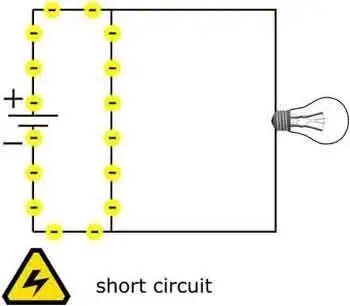
A short circuit is a fault in which an unintended low-resistance path allows excessive current to flow, causing overheating, sparks, and equipment damage in electrical circuits, often triggered by insulation failure or loose conductors.
Understanding the Short Circuit
Understanding the short-circuit definition and associated risks is crucial to ensuring electrical safety in homes and workplaces. By knowing the common causes of short circuits and employing preventive measures such as regular inspections, proper installation, and protective devices like circuit breakers and GFCIs, we can minimize the dangers associated with short circuits and create a safer environment for everyone. A short circuit occurs in an electrical circuit when current bypasses its intended load. Understanding the basics of how circuits function is easier with a solid grounding in basic electricity.
A short circuit in an electrical circuit poses a potential safety hazard. To better understand the short circuit definition, one must first become familiar with the fundamentals of electrical circuits. An electrical circuit is a closed loop through which electrical current flows and consists of components such as power sources, conductors, and electrical devices. A short circuit occurs when an unintended, low-resistance path forms within the circuit, causing a significant increase in current. Because a short circuit creates a low-resistance path, it directly relates to the concept of electrical resistance and how resistance normally limits current flow in safe operating conditions.
What are the different types of short circuit?
There are three main types of short circuits, each with unique characteristics and implications. These types are categorized by the specific components involved in a short circuit within an electrical system. Here are the three types of short circuits:
Phase-to-Phase
This type of short circuit, also known as a line-to-line short circuit, occurs when two or more phases of an electrical system come into contact with each other. For example, this can happen when insulation between the phases is damaged or worn, or when there is a fault in the equipment or wiring. A phase-to-phase short circuit rapidly increases current flow between the affected phases, potentially causing significant damage to the electrical system and generating considerable heat.
Phase-to-Neutral
A phase-to-neutral short circuit, sometimes called a line-to-neutral short circuit, occurs when a live conductor (phase) comes into contact with the neutral conductor. This can occur due to damaged insulation, loose connections, or faulty equipment. In a phase-to-neutral short circuit, current flows between the affected phase and the neutral conductor, increasing current and potentially damaging the electrical system.
Phase-to-Ground
This type of short circuit, also known as a ground fault, occurs when a live conductor (phase) comes into contact with a grounded object or the earth. For example, this can happen when insulation is compromised, equipment is faulty, or wiring is damaged. A phase-to-ground short circuit results in a sudden surge of current as electricity takes the path of least resistance through the ground, posing a risk of damage to electrical components, fire, and electrical shock.
Each of these types can cause significant harm to electrical systems and pose potential safety hazards. Therefore, maintaining proper insulation and connections within electrical systems and implementing protective devices such as circuit breakers and ground-fault circuit interrupters (GFCIs) are crucial to minimize risks. In addition, regular inspections and maintenance of electrical equipment are also essential in ensuring the safe operation of electrical systems.
Now that we've laid the groundwork, let's delve deeper into the definition. A short circuit is an abnormal connection between two nodes in an electrical circuit that allows an excessive amount of current to flow through a low-resistance path. This can lead to various problems, including damage to electrical components, increased fire risk, and even electrical shock. In multi-phase systems, short circuits often occur between conductors, making it important to understand three-phase electricity and how fault currents behave differently than in single-phase circuits.
How do short circuits occur?
Several common causes include damaged or frayed electrical wires, improper connections, or faulty insulation. In addition, when conductive materials come into contact, they can create an unintended path for electrical current. This leads to a significant increase in current, causing a short circuit.
The dangers associated with short circuits cannot be overstated. When a short circuit occurs, it can generate intense heat, which poses a significant fire risk. Additionally, the increased current can cause conductor failure and damage to electrical components, leading to malfunctions and even total system failure. Furthermore, if an individual comes into contact with a short-circuited component, they could suffer from electrical shock, which can sometimes be fatal.
Preventing short circuits is a vital aspect of maintaining electrical safety. One of the most effective prevention methods is ensuring proper installation and maintenance of electrical systems. In addition, regular inspections should be conducted to identify and repair damaged wiring or faulty connections. Installing overload protection devices, such as circuit breakers or fuses, can also help protect against short circuits. These devices are designed to detect and interrupt the excessive current flow, thus mitigating the risk of damage or injury.

Circuit breakers play a crucial role in safeguarding electrical systems from the effects of short circuits. These devices are engineered to detect an unusually high current flow, which could indicate a short circuit or another fault. Once detected, the circuit breaker will automatically interrupt the current flow, isolating the affected section of the circuit and preventing further damage or injury.
Short Circuits vs Ground Faults
To further understand short circuits, it's important to distinguish them from ground faults. While both phenomena involve an abnormal connection within an electrical circuit, a ground fault is a specific type of short circuit that occurs when a live conductor comes into contact with a grounded object or the earth. This can lead to a sudden surge in current and pose similar risks, such as fire and electrical shock. However, ground faults can be detected and mitigated using specialized devices called ground fault circuit interrupters (GFCIs). A phase-to-ground short circuit is a specific fault type, as explained by comparing it with a ground fault.
Remember, always be vigilant when dealing with electrical systems. If you are uncertain about a potential issue or unsure how to handle a situation, consult a licensed electrician for assistance. Electrical safety is everyone's responsibility, and understanding the definition is a fundamental step in preventing accidents and promoting a safe environment.
Related Pages