Saving Electricity and Electrical Energy
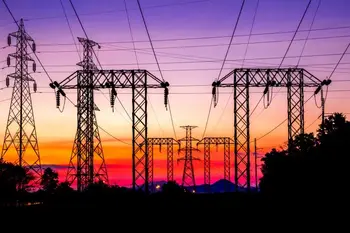
Saving electricity through energy efficiency, power factor correction, load balancing, and demand response integrates smart meters, VFDs, and SCADA to cut losses, optimize voltage, and improve grid reliability in industrial and commercial systems.
Principles of Saving Electricity
Saving electricity becomes an increasingly important issue the more the cost of power increases. There is no such thing as cheap electricity. That is a basic fact in today's world of increasing costs for all forms of energy. It's a common fact that vast amounts of electric power are wasted every year in the world, mostly in areas where power is cheap and abundant. However, in recent years, as the supply of electricity generation has remained static and at the same time demand for power continues to increase, the power prices have increased dramatically. For a refresher on the fundamentals, see this brief guide to what electricity is to better frame consumption trends.
One of the leading cost inputs of electric energy is the cost of generation energy inputs. For instance, if all power generation came from oil, you can imagine what the cost of power would be. Since most power is generated from burning coal and natural gas, as the cost of these commodities increases, so does the cost of electric generation. A quick overview of primary sources of electricity clarifies how fuel price volatility feeds into rates.
Saving electricity, on the other hand, is one of the least expensive ways to generate large amounts of power is from the use of water in hydroelectric generation stations. Hydropower is covered among methods that generate electricity efficiently when geography permits.
The other least expensive way to generate power is from the use of uranium in nuclear power stations. Yes, nuclear power stations are very expensive to build but given the amount of power they generate, plus the fact that they operate 24 hours a day, makes them a very cost-effective way to generate electric power. Alongside nuclear, many regions are expanding alternative electricity options to diversify supply.
Using Less, Quickly
Energy conservation can be accomplished quickly when each home saves electricity through less consumption. This is accomplished by turning lights off when not needed. You can also turn off appliances and use less heat. First, power saver improvements can be made to the electrical equipment such that consumers receive the same services but with less power consumed. (These are sometimes called “efficiency improvements”). In the second case, the energy consumer takes deliberate measures to reduce energy use through changes in operations or procedure which may also cause inconvenience and result in a loss of service. These are typically called “behavioral” changes. For step-by-step ideas, practical checklists on how to save electricity can help households prioritize actions without sacrificing comfort.
Technical Efficiency Improvements
The technical measures to save consumption quickly are similar to those used to save power slowly except that they may be implemented with greater intensity by combining them with special subsidies or delivery schemes. Three examples are described below.
Retrofits—especially retrofits of large, energy-using facilities—are attractive targets during an energy crisis. About 8% of industrial power consumption is used to make compressed air, much of which is lost through system leaks. Understanding the relationship between electricity and power helps target leaks and idle loads more effectively.
Lighting replacements have been the most frequently used retrofit strategy. Replacing incandescent light bulbs with compact fluorescents (CFLs) was used in Brazil, California, and New Zealand. California consumers installed nearly eight million CFLs during the crisis period, resulting in almost 500 MW of demand reduction (Pang 2003). California cities replaced millions of traffic lights with LED lamps, each saving about 80 watts. California aggressively encouraged consumers to replace older appliances with new units qualifying for the Energy Star endorsement of high efficiency. While there is no such thing as truly free power, discussions about free electricity often highlight bill-lowering strategies and policy incentives.
When it comes to saving electricity, there are many techniques one can easily apply. Conservation (or using less) is the best and most extreme way. But when using less is not possible, the next best thing for energy conservation is the use of more energy efficient electrical equipment, such as:
- Energy efficient electric Motors. Electric motors consumer 75 per cent of all power consumed by industry and any large consumer of power will save money by installing more energy efficient electric motors.
- Variable frequency drives that operate and control electric motors and are good at saving electricity. These devices control the speed and torque and starting characteristics of large horsepower motors and one of the best ways for using less and earning more.
- Energy efficient electric lighting is also good at saving electricity. There are lots of more efficient electric lighting technologies and control systems on the market today.
- Energy efficient home appliances like refrigerators and dishwashers and clothes washers and dryers can make a large impact on your power bill.
- A High-Efficiency Energy heating system saves heating and money.
- Off-peak electric utility rates from electric utilities reward customers for saving electricity because they can provide consumers with an incentive to shift their power consumption into periods of the day when the electric utility is not at or near full generating capacity like late at night.
_1497176406.webp)