How to Save Electricity?
How to save electricity? Improve energy efficiency, switch to LED lighting, manage standby power, use smart thermostats, insulate homes, schedule heavy appliances off-peak, and conduct energy audits to cut power consumption and lower bills.
How to Save Electricity?
How to Save Electricity is a popular question. It involves energy conservation and lessens real dollars and preserves a public resource. Here are some ways to cut energy costs without compromising your lifestyle too much. For a deeper primer on cutting household consumption, explore this saving electricity guide for actionable steps.
Control heating and cooling costs
In some climates, heating and cooling represent the largest part of household energy use. In many climates, running your air conditioner at 78 instead of 72 will earn 40% of your cooling bill. You don't have to freeze or roast to death in order to use less energy and earn money. In some climates, heating and cooling represent the largest part of household energy use. In many climates, running your air conditioner at 78 instead of 72 will earn 40% of your cooling bill. You don't have to freeze or roast to death in order to use less energy and earn money.In some climates, heating and cooling represent the largest part of household energy use. In many climates, running your air conditioner at 78 instead of 72 will earn 40% of your cooling bill. You don't have to freeze or roast to death in order to use less energy and earn money. Here are a few tips:
Understanding how HVAC loads draw electric power can help you schedule operation during cooler periods for efficiency.
- How to Save Electricity? Make sure your filters are clean. Check with the manufacturer of your equipment or with your utility company to see if filters on your units need to be cleaned.
- Don't heat or cool when no one is home. If you are going to be gone for more than a half an hour, you can turn your heating or cooling off or down. Don't turn off the heat in a cold climate because that may result in the pipes breaking.
- Supplement your main unit with portable units Running a fan can help you use less air conditioning. Using portable heaters when you are asleep or otherwise staying in one room can mean less use of heat if it means that you don't have to use the main unit.
- Try setting your thermostat to run less frequently Turn your air conditioner up a degree or two or your heater down a degree or two and see if you still can be comfortable.
- Time your opening and closing of windows and drapes to reduce heading and cooling costs. On cold, sunny days, opening curtains and drapes while leaving windows closed will help you heat your home. Opening the windows on summer nights helps cool your home. Buying storm windows in some climates reduces heating costs.
- Check for holes in your roof and in your pipes. This can help reduce up to 10 per cent of your heating and cooling costs.
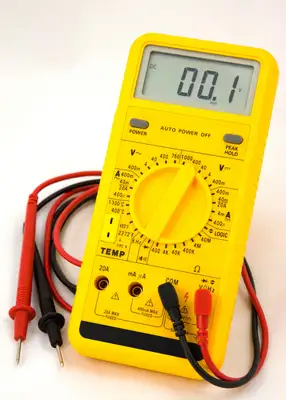
Track your improvements by reading your electricity meter regularly and noting weekday versus weekend patterns.
Get energy saving ideas from your utility company
Utility companies are among the few businesses who hope that you use less of their product. Most power companies are anxious to postpone construction of new power plants, so they strongly encourage customers to use less power.
Utility companies offer energy audits, tips, and other help for customers who want to reduce energy consumption. Call your local utility or log onto their website to see what they have to offer. Many utilities explain how electricity cost components like demand and time-of-use rates affect bills.
Other Electricity Saving tips:
- Consider how to increase your energy efficiency when buying appliances Appliances are labeled with energy usage comparison tables. Look at these figures. Also, you may be able to buy an adapter to make your older appliances more energy efficient.
- Turn off appliances that no one is using Turning off TV's, lamps, computers, VCR's, ovens, and other appliances that no one is using can reduce electric energy consumption. Even turning them off for short periods can produce noticeable results.
- See if an alternative energy company is available In California, electrical deregulation is beginning to result in alternative providers of electric power. This is a trend that should increase nationally. See if that option is available to you.
- Install low-flow heads in your water closets. Also, check your water heater's temperature and set it for 120 degrees. Putting insulation over your water heater and pipes can also help.
- Wash and dry only full loads of clothing or dishes
Stay aware of regional electricity prices so you can plan high-use activities for lower-cost periods.
You may not make you rich, but it will help you cut down some on your costs and will help prevent blackouts and power shortages in your community.
Are your company's profits being eroded by escalating energy costs? Can you gamble that your energy costs will go down in the future? What are you doing about preparing and protecting your company from spiraling energy costs?
If you operate in competitive markets, review how electricity deregulation shapes supplier choices and contract terms.
Do you have the knowledge of the dynamic market with the right equipment that will make the 'smart decisions' and make an effective difference in your energy consumption and see your energy bill go down?
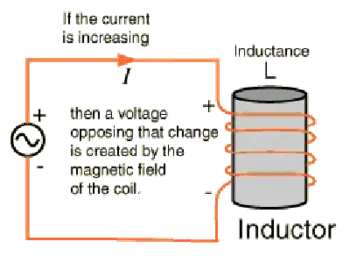
Facilities with inductive loads can cut charges by improving power factor through correction equipment and better motor controls.
Do you know about the latest technologies that you can implement now?
These questions can be answered by our new Industrial, Commercial & Institutional Energy Efficiency Handbook. This 100+ page book is jammed with practical information on reducing energy consumption, increase Energy efficiency by using modern technologies such as variable frequency drives, high efficiency electrical devices, energy efficient lighting, energy management control systems, metering and management systems, as well as fan, pump and blower efficiency improvements. We will also list Federal, State, utility and Canadian government programs that will reduce your energy consumption and increase your energy efficiency.