Sources of Electricity Explained
Sources of electricity include fossil fuels, nuclear power, and renewable energy like solar, wind, and hydro. These energy sources provide reliable electricity generation, powering homes, industries, and grids while shaping modern energy systems and sustainability goals.
How Sources of Electricity Work
In the modern world, electricity plays a crucial role in our daily lives. As a result, it has become an essential commodity, from powering our homes to running industries. But have you ever wondered where it comes from? Electric power can be generated from various sources with unique characteristics, benefits, and drawbacks. In this article, we'll delve into the main sources of electric power generation and discuss their environmental impacts, costs, and efficiency. Renewable sources, such as hydro, solar, and wind, contrast with alternative electricity options that aim to reduce dependence on fossil fuels.
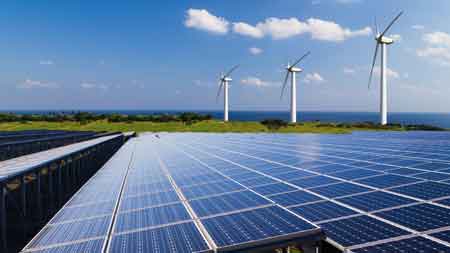
The primary sources of electric power used to produce electric power can be broadly categorized into renewable and non-renewable resources. Renewable energy sources, such as solar, wind, hydroelectric, geothermal, and biomass, are replenished naturally and have a lower environmental impact than non-renewable sources. Non-renewable energy sources include fossil fuels such as coal, natural gas, and oil, as well as nuclear energy. These resources are finite, and their extraction and utilization contribute to environmental issues like air pollution and climate change. Hydroelectric dams, wind turbines, and solar farms all contribute to global electricity generation, reducing reliance on non-renewable sources.
According to the U.S. Energy Information Administration, global electricity production relies on a mix of renewable and non-renewable sources. While traditional thermal power plants, fueled by coal, natural gas, and nuclear energy, remain central to electricity generation, the rapid growth of solar photovoltaics is transforming how we create and consume electricity. Many nations are investing heavily in utility-scale electricity projects, from massive solar farms to offshore wind facilities, to meet rising demand while reducing emissions. These shifts illustrate how diverse technologies collectively shape the future of reliable and sustainable power.
Fossil Fuels: The Traditional Backbone
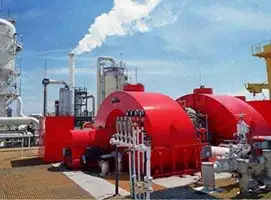
Fossil fuels remain the dominant source of electricity worldwide. In 2023, they accounted for roughly 61% of global power generation. In the U.S., about 60% of electric power still comes from coal, natural gas, and oil. These fuels are burned to produce heat, which converts water into steam that drives turbines to generate electric power.
While fossil fuels offer reliability and established infrastructure, they release large amounts of greenhouse gases, contributing significantly to air pollution and climate change.
Nuclear Energy: Low Carbon but Controversial
Nuclear energy provides approximately 9% of the world's electric power and nearly 19% in the United States. It works by splitting atoms (nuclear fission) to release energy that turns water into steam, which then drives turbines.
Nuclear power is highly efficient and emits no carbon during operation. However, it poses concerns regarding radioactive waste, high capital costs, and the potential for catastrophic failures.
Renewable Energy: The Fastest-Growing Sector
Renewable energy sources are expanding rapidly due to technological advances and falling costs. In 2023, they accounted for approximately 30% of global electric power, with wind and solar energy experiencing the fastest growth. Among renewables, Geothermal Electricity harnesses Earth’s internal heat to produce reliable baseload power even in regions with limited solar or wind potential.
Solar Power
Solar energy converts sunlight into electric power using photovoltaic cells, also known as photovoltaic panels. It's scalable, from rooftop systems to massive solar farms, and has seen significant cost reductions over the past decade.
Wind Power
Wind turbines capture kinetic energy from the wind to generate electric power. Wind farms are increasingly common in the U.S., Europe, and China. Like solar energy, wind energy is intermittent, but storage technology is continually improving.
Hydroelectric Power
Hydroelectricity uses flowing water to turn turbines. It's the most established renewable source and provides reliable base-load power. However, large dams can disrupt ecosystems and displace communities. Hydroelectricity stands out as a mature and stable form of renewable generation, as detailed on our Hydroelectricity page.
Geothermal and Biomass
Geothermal taps into Earth’s internal heat, while biomass burns organic material. While smaller in scale, both contribute to energy diversity and localized solutions. Geothermal power generation complements solar, wind, and hydroelectric sources by offering a steady, round-the-clock output, as explained in our detailed guide on Geothermal Electricity.
Comparing Sources of Electricity
| Source | Global Share (2023) | U.S. Share (2023) | Key Advantages | Key Drawbacks |
|---|---|---|---|---|
| Fossil Fuels | ~61% | ~60% | Reliable, established infrastructure | High emissions, non-renewable |
| Nuclear | ~9% | ~19% | Low carbon, high efficiency | Radioactive waste, high cost |
| Renewables | ~30% | ~21% | Clean, sustainable, fast-growing | Intermittent, resource/location dependent |
The diverse world of electric power choices offers a range of technologies that can help meet the growing global demand for energy. By understanding the characteristics, environmental impacts, costs, and efficiencies of these sources, we can make informed decisions about transitioning to cleaner, more sustainable energy systems. As renewable energy technologies continue to advance and energy storage solutions mature, the future of electric power generation is likely to be increasingly dominated by clean, sustainable sources that reduce our impact on the planet and provide reliable power for future generations.
Environmental Impact and Efficiency
The environmental effects of each source vary significantly:
-
Coal and oil are the dirtiest, producing the most CO2 and pollutants.
-
Natural gas emits less CO2 but still contributes to climate change.
-
Nuclear has a low operational footprint but long-term waste issues.
-
Solar and wind energy produce no emissions during use, although manufacturing has some environmental impact.
Efficiency also differs:
-
Natural gas plants can achieve thermal efficiencies exceeding 60%.
-
Nuclear reactors are highly efficient, but they are slow to build.
-
Coal is among the least efficient.
-
Renewables vary based on technology and location.
Cost Considerations
Costs are influenced by technology, fuel, geography, and infrastructure:


-
Solar and wind costs have dropped dramatically, making them competitive with fossil fuels.
-
Nuclear has high upfront costs but low operating costs.
-
Fossil fuels fluctuate in response to changes in market supply and demand.
Future Trends in Power Generation
The energy sector is moving toward decarbonization. Key trends include:
-
Growth in solar and wind capacity
-
Advances in energy storage systems
-
Development of smart grids and microgrids
-
Investment in fusion energy research
Many countries are setting net-zero goals, aiming for cleaner and more sustainable electricity systems.
Electric power can be generated from various sources, each with its trade-offs in terms of cost, efficiency, and environmental impact. While fossil fuels still dominate, the momentum is clearly shifting toward renewable energy sources. A diversified energy mix, supported by smart technologies and forward-looking policies, will power the sustainable future. To understand how energy sources are converted into power, refer to our 'Generate Electricity' article, which describes the entire process from fuel or resource to grid delivery.
Understanding the strengths and weaknesses of each source helps shape a more resilient, efficient, and eco-friendly power generation landscape. Whether from fossil fuels, nuclear, or renewables, every source of electricity must connect to the electricity grid to deliver power where it is needed.
Related Articles

_1497176752.webp)