Dissolved Gas Analysis Methods for Transformer Diagnostics
By By Dr. Zachary H. Draper & Dr. James J. Dukarm
Transformer Maintenance Training - Testing and Diagnostics
Our customized live online or in‑person group training can be delivered to your staff at your location.
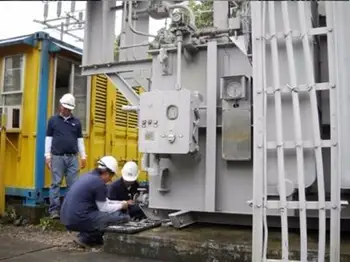
- Live Online
- 12 hours Instructor-led
- Group Training Available
Download Our OSHA 4475 Fact Sheet – Being Aware of Arc Flash Hazards
- Identify root causes of arc flash incidents and contributing conditions
- Apply prevention strategies including LOTO, PPE, and testing protocols
- Understand OSHA requirements for training and equipment maintenance
Dissolved gas analysis methods interpret transformer fault gases using structured ratio, graphical, and standards-based frameworks to classify internal electrical and thermal faults for reliable transformer condition assessment.
Dissolved gas analysis methods provide the structured logic that transforms raw gas measurements into meaningful transformer fault classifications. Without interpretation frameworks, DGA remains a list of gas concentrations rather than a diagnostic system.
These methods do not replace engineering judgment. Instead, they provide disciplined tools that allow consistent interpretation of transformer fault behavior across operating conditions, designs, and asset populations.
Why Dissolved Gas Analysis Methods Matter
Transformers generate multiple gases simultaneously during insulation and oil degradation. Individual gas values rarely provide sufficient diagnostic clarity. Interpretation methods establish relationships between gases, enabling engineers to distinguish between electrical discharge, thermal overheating, and progressive insulation deterioration.
This is what separates transformer fault diagnostics from simple oil quality testing. For readers who need foundational context before applying interpretation frameworks, our overview explains the broader role of dissolved gas analysis.
Key Gas Method
The Key Gas Method classifies transformer faults by identifying the dominant gas produced. Hydrogen, methane, ethylene, acetylene, and carbon monoxide are each associated with characteristic fault types.
Gas concentration trends are often validated against laboratory results described in standard transformer oil analysis procedures.
While simple, this method provides rapid preliminary screening and is commonly used as an initial diagnostic filter before more refined techniques are applied. Because carbon oxide behavior strongly influences insulation diagnostics, many practitioners refine their interpretations using guidance from the DGA CO/CO2 ratio reference.
Ratio Methods
Ratio methods compare specific gas pairs to classify fault mechanisms. The most widely used include the Rogers and Doernenburg ratios. These methods examine relationships such as methane-to-hydrogen or ethylene-to-acetylene to determine whether faults are thermal or electrical in nature.
Sign Up for Electricity Forum’s Utility Transformers Newsletter
Stay informed with our FREE Utility Transformers Newsletter — get the latest news, breakthrough technologies, and expert insights, delivered straight to your inbox.
Ratio methods are particularly valuable when gas concentrations remain within moderate ranges, but relative proportions suggest developing fault behavior.
Duval Triangle and Duval Pentagon
Graphical interpretation methods, especially the Duval Triangle and Duval Pentagon, plot gas ratios on defined zones that correspond to transformer fault categories.
These visual tools allow engineers to see fault transitions as gas compositions evolve. They are especially effective for distinguishing overlapping thermal and electrical stress conditions.
Because these graphical tools rely on normalized ratios, they remain useful even when absolute gas levels fluctuate due to sampling frequency or gas loss. Method reliability improves when interpretation is supported by consistent sampling practices outlined in the discussion of advancements in DGA data quality.
Standards-Based Interpretation
International standards provide authoritative diagnostic boundaries for DGA interpretation.
IEC 60599 and IEEE C57.104 define gas concentration thresholds, rate-of-change guidance, and diagnostic classifications. These standards ensure that interpretation remains consistent across transformer fleets and maintenance programs.
Rather than declaring transformer condition, modern standards emphasize status assessment, reinforcing that DGA supports risk evaluation rather than delivering definitive verdicts. As interpretation techniques evolve, emerging analytical refinements are summarized in dissolved gas analysis advancements for advanced practitioners.
Carbon Gas Interpretation
The interpretation of carbon monoxide and carbon dioxide introduces additional complexity because these gases primarily originate from paper insulation. Their diagnostic value increases when evaluated as ratios rather than absolute concentrations.
Detailed guidance on this approach is addressed in the focused discussion of the CO and CO2 ratio in DGA CO/CO2 ratio diagnostics, which complements but does not replace core DGA methods.
Trend-Based Interpretation
Single oil samples provide only limited diagnostic value. DGA methods become significantly more reliable when applied to historical trends.
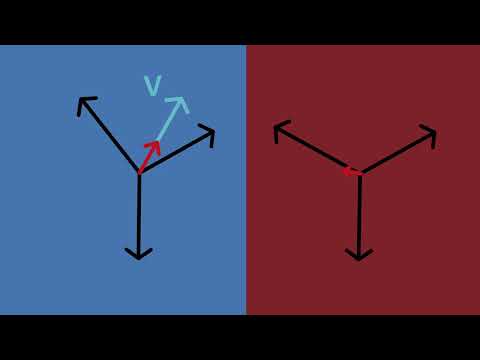
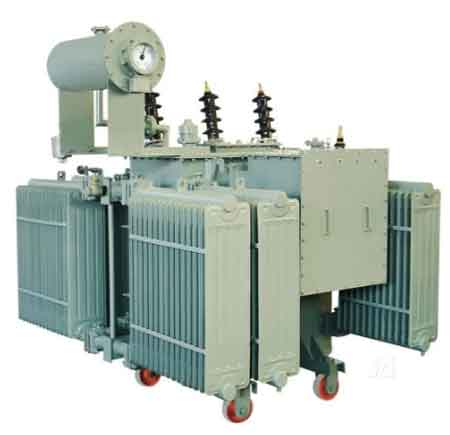

Trend analysis reveals acceleration, stabilization, or regression of fault behavior, allowing engineers to distinguish temporary disturbances from progressive deterioration.
This temporal context is essential for meaningful transformer condition assessment.
Method Selection in Practice
No single method is sufficient for all transformer scenarios. Experienced practitioners typically apply multiple methods in parallel and reconcile results using engineering judgment.
Key gas screening, ratio methods, graphical interpretation, and standards thresholds work together to build diagnostic confidence rather than compete with each other. Understanding how paper degradation contributes to carbon gas production is closely linked to transformer insulation behavior explained in transformer insulation.
Limitations of Interpretation Methods
DGA methods interpret fault gases, not physical damage directly. Gas loss, mixed faults, and localized insulation destruction can complicate interpretation.
For this reason, DGA methods support risk identification rather than absolute confirmation. Complementary transformer diagnostics are always required for final condition verification.
Relationship to Other DGA Topics
This page focuses exclusively on interpretation frameworks. Thermal fault interpretation also benefits from understanding the oil temperature distribution discussed in transformer cooling.
Broader DGA principles are addressed in the foundational guide to dissolved gas analysis.
Emerging analytical tools are covered separately in Advancements in Dissolved Gas Analysis.
Sampling precision and laboratory discipline are explored in the context of advancements in DGA data quality.
Maintaining this separation preserves clarity, authority, and search intent integrity across the transformer DGA cluster.
Dissolved gas analysis methods provide the structured language that allows transformer fault gases to be understood, compared, and acted upon. Without these methods, DGA remains descriptive rather than diagnostic.
When applied correctly and interpreted within historical context, DGA methods remain among the most valuable tools for transformer condition assessment and maintenance decision support.
Test Your Knowledge About Utility Transformers!
Think you know Utility Transformers? Take our quick, interactive quiz and test your knowledge in minutes.
- Instantly see your results and score
- Identify strengths and areas for improvement
- Challenge yourself on real-world electrical topics
