- Electrical maintenance technicians and electricians
- Electrical and power engineers
- Utility and substation personnel
- Industrial maintenance and reliability professionals
- Field service and testing technicians
- Maintenance supervisors and managers
- Safety and compliance personnel
- Facility and plant engineers
Transformer Maintenance Training - Testing and Diagnostics
Transformer maintenance training covers how to inspect, test, and maintain oil-filled and dry-type transformers, including testing, insulation assessment, tap-changer servicing, cooling systems, and condition-monitoring techniques that improve reliability, safety, and service life in industrial and utility power installations.
This 12-hour instructor-led Transformer Maintenance Training course covers essential transformer fundamentals, transformer ratings, insulation systems, and cooling methods used in oil-filled transformers.
Transformer Maintenance Training Overview
This course is ideal for technicians and engineers who need a sound understanding of power transformer operation and maintenance. The course covers transformers used in industrial power distribution systems. Larger power transformers used in utility applications are also covered. The course concludes with in-depth discussions on transformer testing techniques.
Transformer Maintenance Training provides a comprehensive foundation in the inspection, testing, diagnostics, and maintenance of oil-filled and dry-type power transformers used in industrial and utility environments. This course is designed for electrical technicians, engineers, maintenance personnel, and safety professionals responsible for transformer reliability, performance, and lifecycle management.
Participants learn how transformer design, construction, and operating conditions influence maintenance requirements and long-term reliability. The training explores core maintenance tasks alongside diagnostic testing methods used to assess insulation condition, oil quality, tap-changer performance, cooling systems, and transformer health. Emphasis is placed on identifying early warning signs of deterioration and preventing failures before they result in outages or equipment damage.
The course covers practical testing techniques such as insulation resistance, winding resistance, transformer ratio testing, and oil diagnostics—including dissolved gas analysis—along with interpretation of test results and common fault patterns. Participants also gain insight into preventive and condition-based maintenance strategies that extend transformer life and support safe, cost-effective operation.
By the end of this training, participants will understand how to plan, execute, and document transformer maintenance activities that improve reliability, enhance safety, and align with industry best practices for industrial power systems and utility infrastructure.
Learn the Following Transformer Maintenance Testing Procedures
- WINDING RESISTANCE
- TRANSFORMER RATIO/POLARITY
- EXCITATION CURRENT MEASUREMENT
- SHORT CIRCUIT IMPEDANCE MEASUREMENT
- SWEEP FREQUENCY RESPONSE ANALYSIS
- INSULATION RESISTANCE
- INSULATION CAPACITANCE AND POWER FACTOR
- PARTIAL DISCHARGE MEASUREMENT
- TRANSFORMER CORE TESTING
- INSULATING OIL
- BUSHING VISUAL CHECK
- TAP CHANGERS Maintenance
- TRANSFORMER TANK INSPECTIONS
Learning Outcomes
- Students will learn the causes of failures and how to assess the risk of failures.
- Develop or improve a risk-based asset management program for your company.
- Assess and implement maintenance practices to prevent unplanned outages.
- Understand test results and perform an analysis of your company’s electrical system to improve operating conditions.
- Students will be able to perform a transformer assessment to determine the condition and risk of their transformer investment.
- Testing Dry Type Power Transformers
- Testing Oil-Cooled Power Transformers
Live online course schedule
Sign Up For Our Electrical Training Newsletter – Stay Informed!
What you'll receive:
New course launches and schedules
Exclusive discounts and free resources
Practical tools, quizzes, and Free downloads
Who should attend
What you will get
1
1.2 Continuing Education Unit (CEU) credits
2
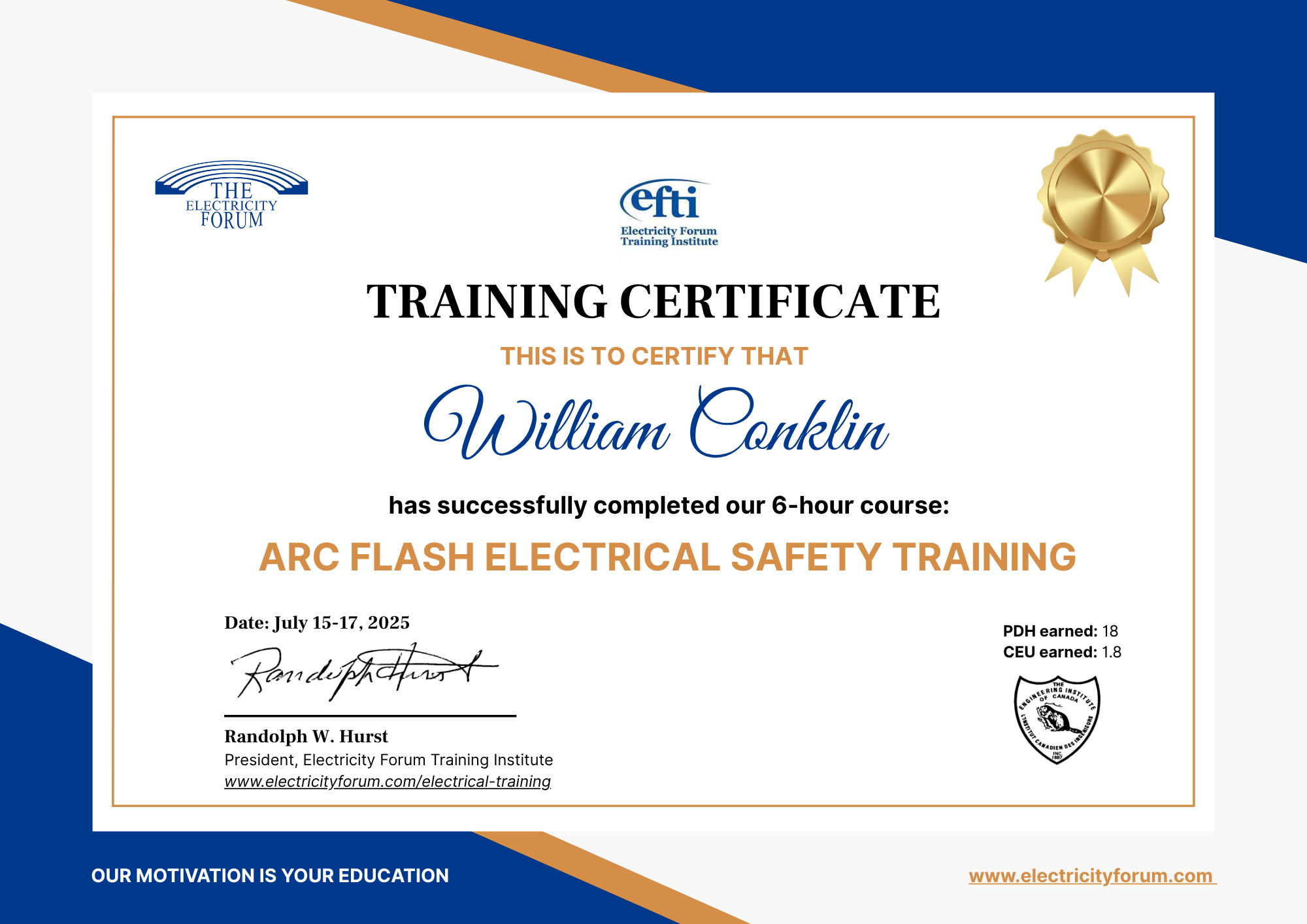
Transformer Maintenance Training - Testing and Diagnostics Certificate
3
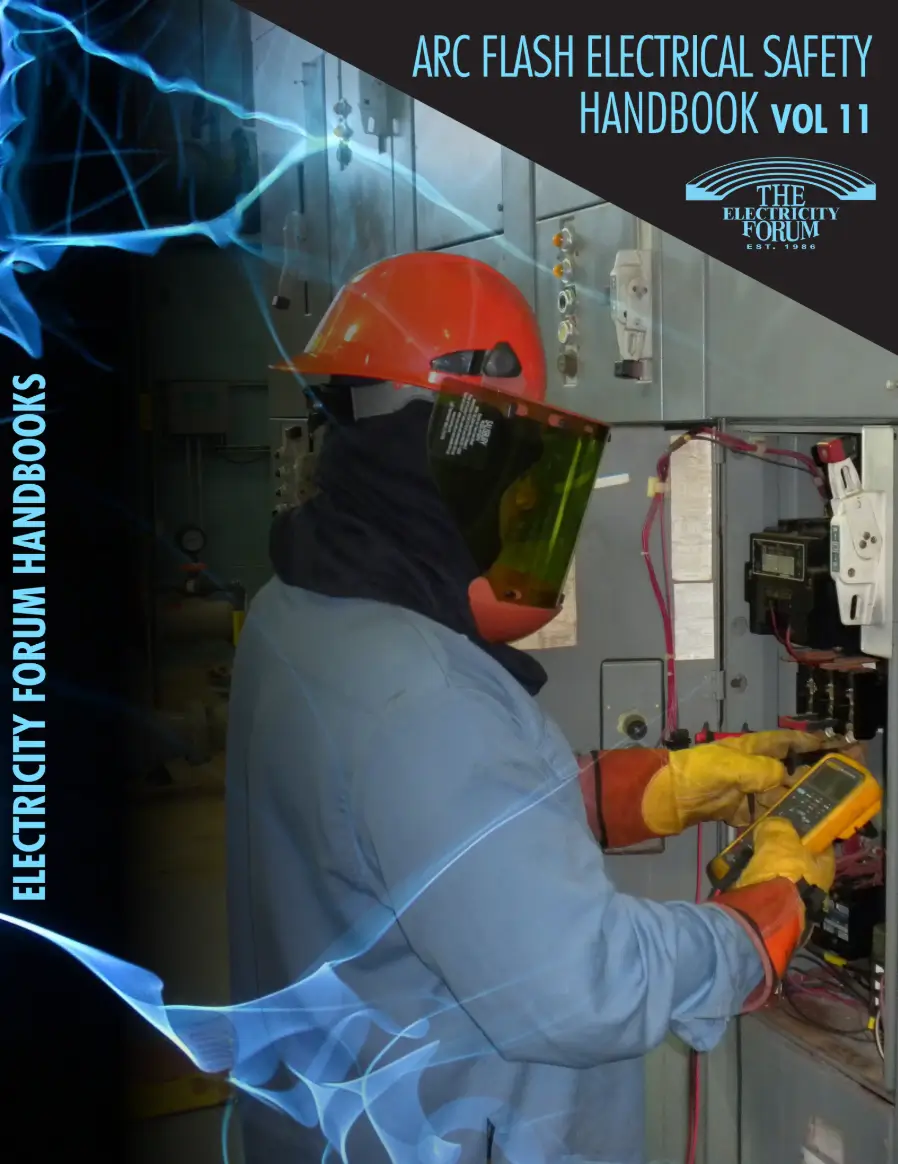
100-page Arc Flash/Electrical Safety Handbook (Value $20)
4
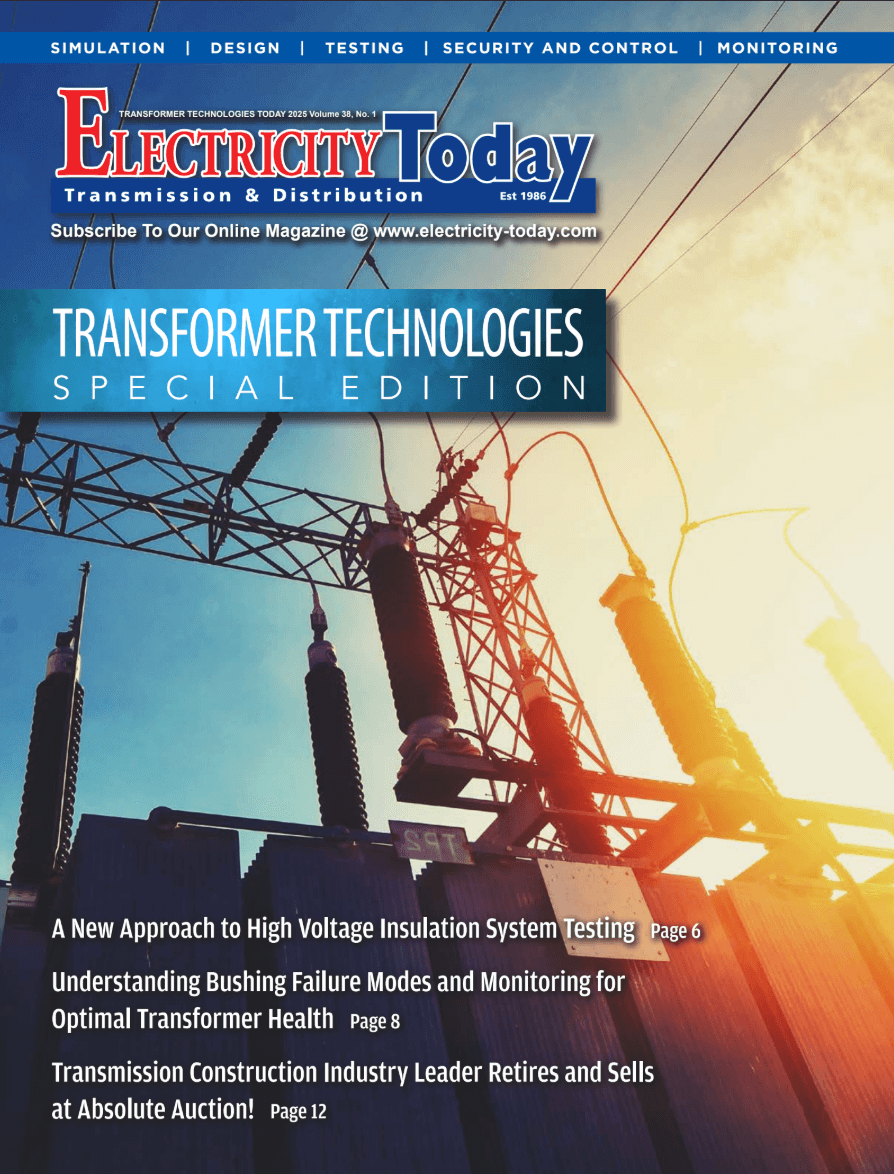
Free magazine subscription (Value $25)
5
$50 coupon toward any future Electricity Forum event

6
Course presentations in PDF format
Power Transformer Maintenance Training Course Outline
DAY ONE
Part 1. Risk Assessment & Asset Management
This presentation will show how to identify, assess and mitigate the risks associated with distribution and power transformers. Transformers and other electrical equipment are assets with ongoing maintenance needs or at risk of failure. The presentation will assist participants in developing an intelligent maintenance program that evaluates the risks and consequences of failure and prioritizes maintenance needs based on our data, industry standards, and best engineering practices.
- Learn how to develop or improve a risk-based asset management program.
- Identify categories of assets within an organization.
- Define risk-based asset management and why it is important in managing the life cycle.
- Perform an analysis of electrical system equipment with an emphasis on transformers.
- Identify the advantages of various maintenance programs and the benefits of online monitors.
- Students will learn the causes of failures and how to assess the risk of failures.
- Develop or improve a risk-based asset management program for your company.
- Assess and implement maintenance practices to prevent unplanned outages.
- Understand test results and perform an analysis of your company’s electrical system to improve operating conditions.
- Students will be able to perform a transformer assessment to determine the condition and risk of your transformer investment.
Part 2. Introduction to Transformer Testing
- Solid Insulation
- Transformer Oil
- Testing Transformer Oil
- Moisture in Transformers
- Dissolved Gas Analysis
- Analysis for Furanic Compounds and Non-Routine Oil Tests
- Electrical Testing Principles
- Interpreting Oil Test Results and Maintenance Options
- RECLAMATION of Transformer Oil
- Advanced DGA Testing
- Practical Example of a DGA Assessment
Part 3. Increase Transformer Reliability and Life Cycle Through Proper Maintenance of Load Tap Changers
- Brief History of Load Tap Changing
- Basic Electrical Theory
- Components and Configurations
- Operating Principles
- Monitoring and Testing
- Internal Inspections and Maintenance
- Developing a Detailed Maintenance Program
Part 4. Dissolved Gas Analysis (DGA)
How dissolved gas analysis (DGA) results are interpreted – an important tool in the overall transformer maintenance program. Includes hands-on breakout groups. This session is intended to identify fault gases and the factors that cause their formation, and to explain and provide examples of qualitative and quantitative interpretations of dissolved gases. This class will also evaluate the condition of cellulose insulation and other non-routine tests, determine whether a transformer is at risk of failure due to the presence of corrosive sulphur, and mitigate the risk.
- Maintenance and Sampling Oil
- Introduction to Oil Testing
- Dissolved Gas Analysis
- Non-Routine Oil Analysis
- DGA Case Studies
Part 5. In-Service Inspection & Sampling of Fluid-Filled Transformers
Learn how to properly inspect and safely obtain fluid samples from energized electrical transformers. This session is designed for substation personnel whose responsibilities include sampling and monitoring the overall condition of fluid filled transformers.
- Safety
- Special Care Transformers
- Transformer Part & Visual Inspection
- Inspection Forms/Nameplates/Gauges
- Sampling Containers
- Proper Sampling
- Nitrogen Blanket
- Packaging
- Why Oil Test
- The importance of monitoring the insulation
DAY TWO
Transformer Field Diagnostics Tests and Techniques
Part 6. Transformer Field Diagnostic Testing and Maintenance Techniques
WINDING RESISTANCE
- Testing techniques
- Voltmeter – Ammeter method
- Bridge technique
- Micro ohmmeter
TRANSFORMER RATIO/POLARITY
- Testing Techniques
- Inductive kick (DC method) polarity
- Alternative voltage (AC method) polarity
- Turn ratio test set
- Double voltage meters
EXCITATION CURRENT MEASUREMENT
- Hysteresis
- Eddy currents
- Copper losses
SHORT CIRCUIT IMPEDANCE MEASUREMENT
- Testing techniques
- Voltmeter – Ammeter method
SWEEP FREQUENCY RESPONSE ANALYSIS
- Testing techniques
- Problems detected
- Shifted winding/core
- Deformed windings
- Loose windings
INSULATION RESISTANCE
- Testing techniques
- Megger
- Polarization index test (PI)
- Can detect the following problems
- Insulation dryness
- Insulation contamination
- Sensitive to temperature
INSULATION CAPACITANCE AND POWER FACTOR
- Testing techniques
- Capacitance bridge method – DF
- AC Dielectric loss method - PF
PARTIAL DISCHARGE MEASUREMENT
- Can detect the following problems
- Insulation defects
- Insulation contamination
- Air bubbles trapped in insulation
- Localized high electrical stress
- PD is the "cancer" of insulation system
- PD detector
- RIV
TRANSFORMER CORE TESTING
- Problems
- Insulation resistance
- More grounding points
- Megger
- Separate external core ground lead from 250 resistor
- Measure core
INSULATING OIL
- Sulphur in transformer oil solutions
- Resolving moisture in transformer oil
- Proposed federal PCB transformer regulations
- Transformer on-line oil monitoring techniques
- Various tests performed on insulating oil
- Properties and parameters of insulating
- Why oil sample?
- Dielectric breakdown
- Water content
- Power factor
- DGA "key" fault gasses
- Benchmarks
- Rating system
BUSHING VISUAL CHECK
- Oil Level
- Leaking
- Chipped porcelain
- Fractured flange
- Poor gaskets
- Peeled painting
- Terminal connection
- Corrosion
TAP CHANGERS
- DETC
- Contact resistance increase
- Loose contact pressure
- Misalignment
- Electrical and mechanical centers
- LTC
- Contact continuity
- Arcing switch and tap selector
- Drive mechanism operation
- Motor
- Timing
- Oil compartment
- Protection and control
TRANSFORMER TANK
- Visual check
- Oil leaking
- Poor gaskets
- Peeled painting
- Rust/corrosion
- Temperature hot spot
COMPONENTS AND ACCESSORIES
- Visual check and function test
- Cooling system – radiators, fans or pumps
- Gauges and indicators – oil level, pressure and temperature
- Pressure relief device
- Gas relay
- Air breather
- Inert air system
- Oil filters
INFRARED TEMPERATURE MEASUREMENT
Review of expectations
Questions and Answers
COURSE SCHEDULE:
Both days:
Start: 10 a.m. Eastern Time
Finish: 4:30 p.m. Eastern Time

Live online course registration fees & CEU credits
The registration fee for this course is $699.
Regular price
$699
Discounted price
$599
(with coupon: save $100)
What you will get
1
1.2 Continuing Education Unit (CEU) credits
2
Transformer Maintenance Training - Testing and Diagnostics Certificate
3
100-page Arc Flash/Electrical Safety Handbook (Value $20)
4
Free magazine subscription (Value $25)
5
$50 coupon toward any future Electricity Forum event
6
Course presentations in PDF format
Download free discount coupon
1
Enter Your Information
Fill out the form below with your name and email address.
2
Receive Your Coupon
Check your email for a message with a link to your $50 discount coupon.
3
Register for the Course
Use the coupon code when you sign up for the Advanced Electrical Safety Training course to save $50 off the regular price.

Group Offer
Register 3, Get 1 Free
Register 3 delegates at the full price of $249 each and get the 4th registration free! Perfect for companies, safety departments, and teams looking to train multiple employees at once.
1st
$249
2nd
$249
3rd
$249
4th
FREE
Earn Continuing Education Unit (CEU) Credits
- Successful completion of this course qualifies delegates to receive a certificate of course completion with indicated CEUs.
- CEUs are granted by the Engineering Institute of Canada.
- One CEU is equivalent to 10 professional development hours of instruction.
- This course earns 0.6 CEUs.
Request a free training quote – Live Online & In-Person Group Training
Whether you choose live online or in-person instruction, our electrical training can be customized to your needs and delivered to your team at one or multiple locations.
Interactive
– Real-Time Q&A
Tailored
– Built To Your Needs
Flexible
– Join From Any Location
Cost-Saving
– No Travel Expenses
Certified
– Earn CEU Credits
Discounted
– Multi-Course Savings
Our instructors will work with you to assess your team's skills and tailor the training to match your requirements.
Complete this handy form and I will send you a FREE written Quotation on any electrical training you need! Or send me an email and I will contact you to discuss your electrical training requirements Today!
R.W. HURST
PRESIDENT, THE ELECTRICITY FORUM TRAINING INSTITUTE
randy@electricityforum.com
Get the 2026 Live Online Training Catalog
Explore 50+ live, expert-led electrical training courses – interactive, flexible, CEU-certified.
Download Catalog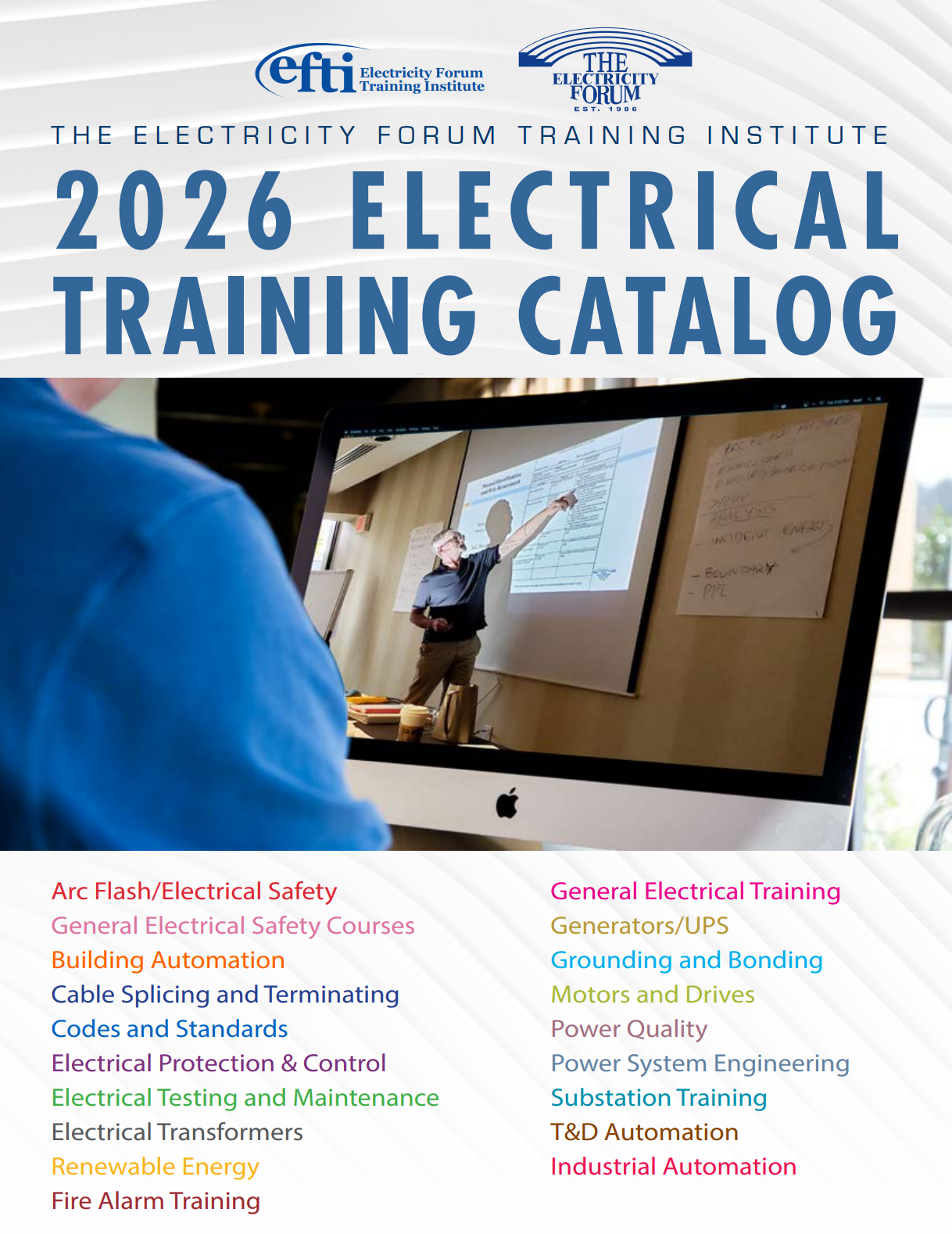
Download Course Brochure
Get detailed information about this course in our comprehensive brochure.
Download Brochure (PDF)Download free discount coupon
1
Enter Your Information
Fill out the form below with your name and email address.
2
Receive Your Coupon
Check your email for a message with a link to your $50 discount coupon.
3
Register for the Course
Use the coupon code when you sign up for the Advanced Electrical Safety Training course to save $50 off the regular price.
Group Offer
Register 3, Get 1 Free
Register 3 delegates at the full price of $249 each and get the 4th registration free! Perfect for companies, safety departments, and teams looking to train multiple employees at once.
1st
$249
2nd
$249
3rd
$249
4th
FREE
