What is Electric Load
By R.W. Hurst, Editor
Electric load refers to the amount of electrical power consumed by devices in a system. It determines demand on the power supply and affects energy distribution, efficiency, and system design.
What is Electric Load?
What is electric load? It refers to the total power demand placed on a circuit by connected devices. Electric load, such as lighting, motors, and appliances, impacts energy use, system sizing, and overall efficiency across residential, commercial, and industrial settings.
An electric load refers to any device or system that consumes electric power to perform work, such as an electric motor, lighting fixture, or household electrical appliances. These loads draw electrical energy from the power source, impacting both system efficiency and capacity planning. Accurate electrical load calculation is crucial for designing circuits, selecting the correct breakers, and ensuring safe operation in homes, businesses, and industrial facilities. Using real-time monitoring tools, engineers can assess load patterns, identify peak demand, and implement energy-saving strategies through smart load management systems.
An electric load can be anything that consumes power, such as lights, appliances, heating systems, motors, and computers. In electrical engineering, a load represents the demand that a device or installation places on the power source.
Electric load is closely influenced by regional consumption patterns, which can be explored in more detail in Electricity Demand in Canada, highlighting how climate and industry shape national power usage.
Different types of types exist, and they are classified based on their characteristics. Resistive loads include, for example, converting energy directly into heat, such as heaters or incandescent light bulbs. Inductive loads, however, require energy to create a magnetic field, such as motors or transformers. Capacitive loads, meanwhile, store and release energy, such as capacitors used in a powered circuit.
An electric load refers to any device or circuit that consumes energy in a system. A common example is a load that consists of appliances such as heaters or ovens, where the primary component is a heating element. This heating element converts energy into heat, providing warmth or cooking power. It consists of a heating mechanism that demands specific amounts of powered energy depending on the device’s power requirements, which is crucial for maintaining an efficient and balanced system. For readers new to electrical concepts, the Basic Electricity Handbook provides foundational knowledge that helps contextualize the meaning of electricity in power systems.
Types of Electrical Loads
Electric loads fall into three primary categories:
-
Resistive: Devices like incandescent light bulbs, heaters, and toasters. These convert energy directly into heat.
-
Inductive: Motors, transformers, and fans. Inductive loads create magnetic fields to operate, often resulting in a lagging power factor.
-
Capacitive: Capacitors are used in power factor correction equipment or some specialized electronic devices. They store energy temporarily.
Each load type interacts differently with the system, impacting both efficiency and stability.
Related: Understand how resistive loads behave in a circuit.
How to Calculate Electric Load
Accurately calculating electric load is important for selecting the correct wire size, circuit breakers, and transformer ratings.
For example:
-
If a device operates at 120 volts and draws 5 amps:
-
Load = 120 × 5 = 600 watts
-
Step-by-Step Example for a Household Circuit:
-
Add up the wattage of all devices on the circuit.
-
Divide the total wattage by the system voltage to find the total current load.
-
Compare the load to the circuit breaker rating to ensure it is not overloaded.
Tip: Always design for 80% of breaker capacity for safety.
Why Understanding Electric Load Matters
Understanding electric load has real-world implications:
-
Energy Bills: Higher demand results in higher costs, particularly for businesses subject to demand charges.
-
System Design: Correct assessment ensures that wiring, transformers, and protection devices are appropriately sized.
-
Power Quality: Poor management can lead to low power factor, voltage drops, and even system instability.
-
Maintenance Planning: Predictable loads extend the life of equipment and reduce costly downtime.
Management Strategies
Smart load management can improve system efficiency and reduce costs:
-
Peak Shaving: Reducing consumption during periods of high demand.
-
Shifting: Moving heavy loads to off-peak hours.
-
Power Factor Correction: Installing capacitors to improve system efficiency and lower bills.
Electric load is a critical concept in both residential and industrial settings. By understanding the types of calculations used to determine total demand and the practical impacts on energy costs and system design, you can build safer, more efficient systems.
One critical aspect is the power factor. Power factor is the ratio of active power (measured in watts) to apparent power (measured in volt-amperes). In simpler terms, it is the efficiency of energy usage. A low power factor indicates that a device or system consumes energy more than necessary to perform a given task, leading to higher energy costs and increased strain on the power grid. The relationship between load, bill, and motor is especially evident in provincial models, such as Ontario’s Electricity Cost Allocation, which explains how peak demand affects consumer rates.
An electric load is a critical concept in the design and operation of the power grid. Understanding how it is measured, the different types, power factor, management strategies, peak, shedding, and demand response programs are essential for optimizing the use of the grid and ensuring its reliability. By balancing the demand for power with the grid's capacity, we can reduce energy costs, prevent blackouts, and create a more sustainable energy system. Management is a critical component of infrastructure planning, as discussed in the Transmission & Distribution Channel, which examines how levels affect grid design and performance.
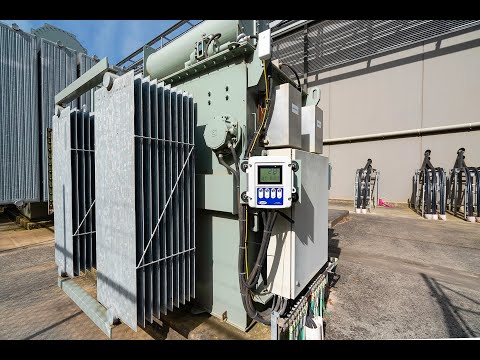


In industrial environments, managing efficiently can lead to significant cost savings and operational stability. Explore these strategies in the Industrial Electric Power Channel.