What Is An Electrical Substation?
By Harold WIlliams, Associate Editor
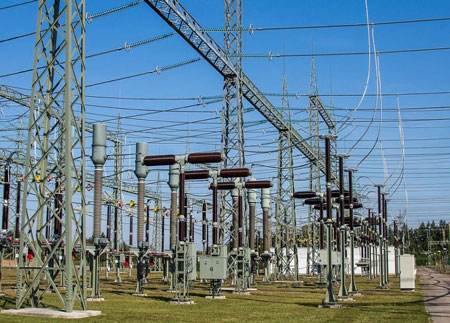
Substation Relay Protection Training
Our customized live online or in‑person group training can be delivered to your staff at your location.
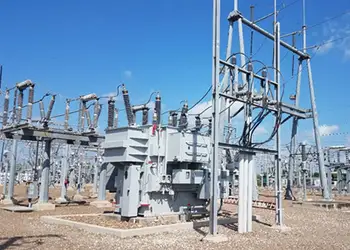
- Live Online
- 12 hours Instructor-led
- Group Training Available
Download Our OSHA 4474 Fact Sheet – Establishing Boundaries Around Arc Flash Hazards
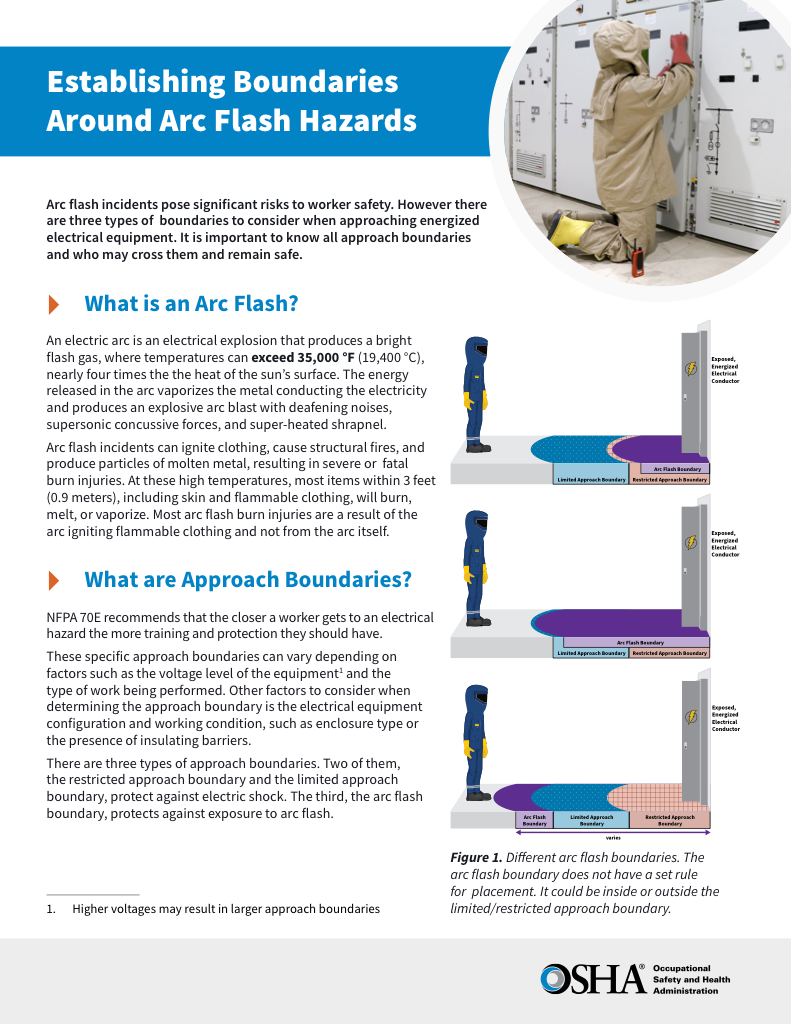
- Understand the difference between arc flash and electric shock boundaries
- Learn who may cross each boundary and under what conditions
- Apply voltage-based rules for safer approach distances
An electrical substation transforms, controls, and protects electricity as it moves from high-voltage transmission to lower-voltage distribution, using transformers, switchgear, and protection systems to deliver safe, reliable power.
What Is An Electrical Substation?
An electrical substation is one of the most critical links in the power system. In the power system, the substation is where electricity is controlled, redirected, protected, and transformed so it can be transmitted efficiently from generation sources to end users. Without substations, modern transmission and distribution networks could not operate safely or reliably.
In a typical grid, electricity is generated at power plants and transmitted over long distances at very high voltages. Transmission substations receive this electricity and adjust the voltage levels so power can continue to move across regional networks with minimal losses. As electricity moves closer to cities, industrial facilities, and residential areas, it enters distribution substations, where voltage is reduced again for safe local delivery.
Transmission substations, distribution substations, and the broader transmission system work together as a coordinated network that connects generation to consumption. Each electrical substation plays a specific role, ensuring that high-voltage energy is converted into a usable, manageable form for everyday use.
Electrical Transformer Maintenance Training
Substation Maintenance Training
Request a Free Training Quotation
Why Substations Are Essential
Substations are not just physical facilities. They function as operational control points within the power grid, directing how electricity flows under both normal and abnormal conditions.
Their proper operation is fundamental to grid stability. Substations handle voltage conversion, manage load flow, and protect the system during faults. By routing electricity from high-voltage transmission lines to lower-voltage distribution networks, they enable large-scale power delivery. Without them, coordinating energy flow from generators to millions of end users would be nearly impossible.
Sign Up for Electricity Forum’s Electrical Substations Newsletter
Stay informed with our FREE Electrical Substations Newsletter — get the latest news, breakthrough technologies, and expert insights, delivered straight to your inbox.
Key functions include stepping voltage up for long-distance transmission or down for distribution, switching circuits during normal operation and maintenance, automatic fault detection and isolation, load balancing across interconnected networks, and system monitoring through local and remote controls. After voltage transformation and switching within a substation, electricity is delivered through structured feeder networks that define how electric power distribution supplies communities, industries, and critical infrastructure.
Transformers in Substations
Transformers are the central working elements inside every electrical substation. Their purpose is to change voltage levels so electricity can travel efficiently over long distances and then be delivered safely to end users.
High transmission voltages reduce energy losses over distance, while lower voltages are required for safe distribution. Transformers make this transition possible at multiple points throughout the grid. Without them, the power system would suffer from excessive losses, limited reach, and increased safety risks. For a deeper technical explanation, see our guide on Electrical Substation Transformers.
What Equipment Is Inside?
A substation contains multiple interconnected components that work together to manage power flow and system protection. Each device has a specific role, and all must operate in coordination to maintain reliability and safety.
Typical Components:
-
Transformers that adjust voltage levels
-
Circuit breakers that interrupt power during faults
-
Disconnect switches that isolate equipment for maintenance
-
Busbars that route current between circuits
-
Protective relays that detect abnormal conditions
-
Control systems that automate switching and monitoring
For a focused explanation of protection equipment, see Circuit Breaker in Substation Explained.
Core Substation Components
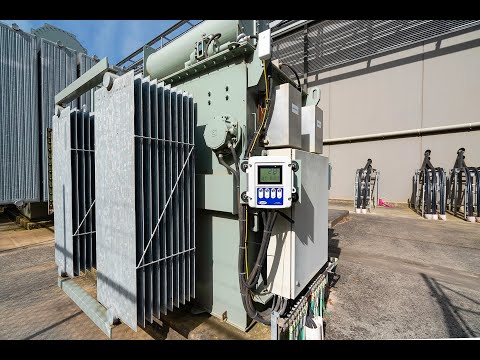
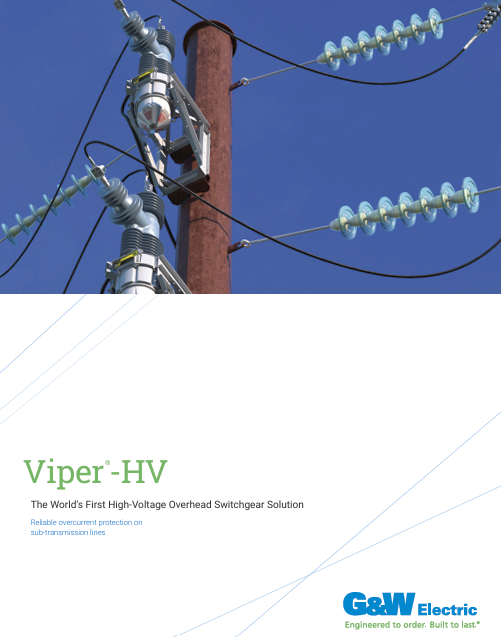
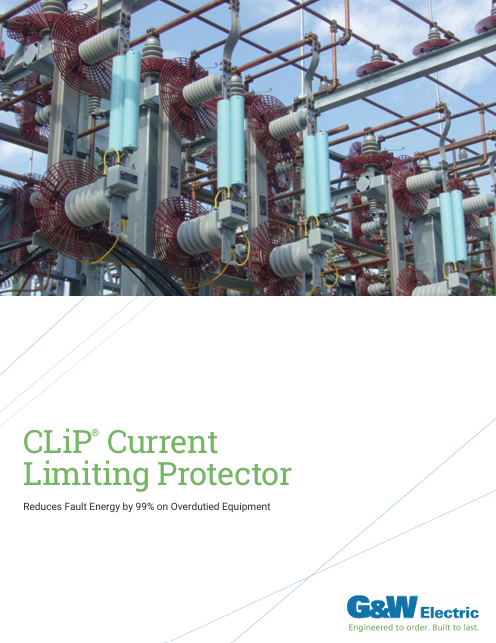
Beyond transformers, substations rely heavily on switchgear assemblies, breakers, and protective relays to control and protect the power system. These components ensure electricity flows only where intended and that faults are cleared quickly before damage spreads through the network. Explore the full list of devices in Electrical Substation Components.
Different Types
Substations are classified by their function within the power grid. Each type serves a specific purpose, whether managing bulk power transfer, serving local loads, or supporting specialized transmission requirements.
Transmission substations manage high-voltage bulk power flow across long distances. Distribution substations supply lower-voltage power to homes and businesses. Collector substations aggregate output from renewable energy sources such as wind and solar. Converter substations change AC to DC or DC to AC for specialized applications, while switching substations reroute power without changing voltage levels.
Learn more about how transmission substations step down voltage before distribution in our article What Is A Tie Substation.
Designing a Modern Substation
Design must consider space, safety, scalability, and the environment. The layout and physical structure vary depending on the site, voltage levels, and system requirements. Read more about engineering practices in Electrical Substation Design.
Key design priorities include proximity to load centers and transmission corridors, flexible electrical layouts, such as single-, double-, or ring-bus arrangements, secure fencing and controlled access, integration with digital control systems, and compliance with environmental and aesthetic regulations.
Learn more about layout trends in 3D Substation Design Utilizing AutoCAD.
How Substations Ensure Safety
Safety is non-negotiable in substation operations. Grounding systems, protective relays, and remote-control technologies work together to protect personnel and prevent equipment damage.
Typical safety measures include grounding grids to control shock hazards, arc flash protection for switchgear and circuit breakers, insulation monitoring for cables and transformers, intelligent relays for rapid fault detection, and clearly defined safety clearances with appropriate labelling. More information is available in Substation Grounding – Ensuring Safety. Visit Substation Grounding - Ensuring Safety, for more on how substations are grounded and safeguarded.
Test Your Knowledge About Electrical Substations!
Think you know Electrical Substations? Take our quick, interactive quiz and test your knowledge in minutes.
- Instantly see your results and score
- Identify strengths and areas for improvement
- Challenge yourself on real-world electrical topics
Maintaining Substation Reliability
Maintenance ensures they perform as intended over decades of service. Scheduled testing and equipment inspections help prevent unplanned outages and costly failures.
Typical Maintenance Tasks:
-
Infrared thermography for hotspots
-
Oil analysis for transformer health
-
Relay calibration and breaker timing tests
-
Physical inspections of busbars, insulators, and switches
-
Recordkeeping and remote diagnostic monitoring
Explore routine and advanced practices in Electrical Substation Maintenance.
Who Works in a Substation?
Operating and maintaining substations requires skilled professionals trained in safety procedures, transmission and distribution systems, and protective equipment. Common roles include technicians, protection engineers, and linemen.
Their responsibilities range from monitoring system alarms and performing switching operations to testing protection devices, responding to faults, and coordinating activities with control centers.
Workforce Roles Involve:
-
Monitoring equipment status and alarms
-
Performing safe lockout/tagout procedures
-
Testing and replacing relays, fuses, or breakers
-
Responding to faults or service disruptions
-
Coordinating with control centers during switching
To learn about classification and training pathways, see What Is Working On Substations As Lineman Classified As.
Training and Certification
Because of the hazards involved, substation personnel require both formal education and hands-on instruction. Training programs combine theory with practical operation.
Typical training topics include substation design fundamentals, high-voltage switching procedures, SCADA systems and protection relay logic, grounding and resistance testing, and the proper use of PPE. Find out what’s covered in our Electrical Substation Training explained article.
Emerging Technologies in Design
Digital substations are becoming increasingly common in new installations and retrofits. Modern facilities now rely more heavily on intelligent electronic devices, digital relays, and fibre-optic communications to improve monitoring and control.
These technologies support tighter integration with smart grid and SCADA platforms, standardized communication through IEC 61850, improved environmental performance, and condition-based maintenance using real-time data. Ongoing developments are further explored in Substation Focused on Environmental Design.
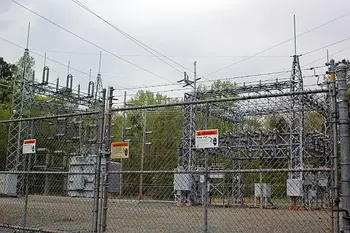
They are far more than fenced yards with transformers—they are engineered hubs of precision, protection, and power control. They are essential for transforming electricity into a usable, safe form for the world to consume. From safety systems and advanced monitoring to renewable energy integration and digital transformation, they are the foundation of a modern, resilient transmission and distribution (T&D) grid.
Frequently Asked Questions
What is an Electrical Substation – Role in the Power Grid & Electrical Distribution?
A substation is a facility in the power grid where voltage is transformed, electricity is routed, and flow is controlled to ensure safe, efficient distribution. The most critical component is the transformer, which enables long-distance transmission. Together with breakers, relays, and switchgear, substations maintain grid stability and ensure reliable delivery to end users.
What are the considerations in substation design?
Key factors include site location, voltage levels, the number of transformers and circuits, and safety clearances. Design must also account for environmental impacts, such as noise, electromagnetic fields, and visual disturbance, while ensuring scalability and compliance with relevant regulations.
What are the components of a substation?
Transformers, circuit breakers, switchgear, protective relays, busbars, and power lines all work together to efficiently and safely transform, route, and distribute electricity across the grid.
How is maintenance performed?
Maintenance includes inspecting, cleaning, testing, and repairing or replacing faulty equipment parts. Regular thermography, oil analysis, and relay calibration help prevent failures and ensure substations operate reliably.
How does a substation impact the environment?
Substations can create noise, electromagnetic fields, and visual impacts. To minimize effects, engineers use noise barriers, underground cabling, landscaping, and modern equipment that reduces emissions while meeting environmental standards.
Related Articles

