Electricity and Electrical Energy


Electricity powers modern engineering, driving circuits, voltage, current, and AC/DC power systems for transmission, distribution, and control. Engineers analyze resistance, impedance, and frequency, optimize grids, and integrate renewables with transformers, generators, and smart controls.


How Electricity Works

Electricity is a manufactured product. It is not something you pump out of the ground or mine or collect from the sun or wind. For a clear primer on definitions and units, visit what electricity is to ground these ideas.

Electric power is manufactured from a rotating machine that we call an electrical generator. After it is generated, (manufactured) it is then delivered through copper wires to where it is utilized If you want to see how turbines and alternators convert motion into power, explore the electricity generator to understand key components and operation.

Electricity - most people don't understand what it is. They just turn on the light switch or start the appliance or push the button and something works. It's only when there is no electric power available that we start to consider the importance of it in our daily personal and working lives. A step-by-step explanation of fields, voltage, and current is outlined at how electricity works for readers new to the topic.

But the invention of the machine to generate power is right next to the invention of the printing press in the list of major contributions to the advancement of human civilization. For context on pioneers from Faraday to Tesla, review who invented electricity to connect invention with modern grids.

Without it, we would be burning wood and coal to heat our homes and businesses and using oil and candles to light our way in the dark. That is the way it was for humans civilization for countless centuries. Only since the invention of the electric generator have humans been able to advance in every aspect of modern life. In fact, modern living is defined by electric power. This shift from fuels to electrons is traced in the history of electricity to show how infrastructure reshaped society.

We have assembled a series of pages in our web site to help you to understand the business of electricity - how it works and how it is used. To dive deeper into fundamentals before the business aspects, start with electricity: how it works for a concise technical overview.

We hope that you can use this information to better understand the technology and issues behind the manufacturing of electric power. Further reading on thermal, hydro, and renewable pathways is available at how electricity is generated to see how manufacturing methods compare.
 

Related Articles

Related News

Voltage Explained

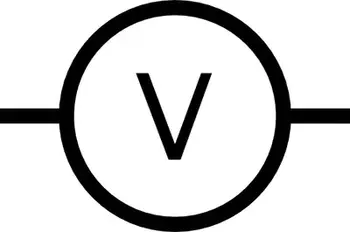
Voltage is the electrical potential difference that pushes current through a circuit. It determines how energy is transferred, how equipment performs, and how safe an electrical system remains across homes, facilities, and industrial power systems.   Voltage Overview and Best Practices Voltage is one of the core ideas in electrical work because it represents the potential energy available to move charge from one point to another. When a circuit is energized, voltage creates the pressure that pushes current through wires, equipment, and loads. This pressure powers electrical devices, whether they are a small control circuit or a large industrial system.…
View more

Electrical Terms Explained

Electrical terms define the essential language of electricity, covering concepts like voltage, current, resistance, and circuits. Understanding these terms helps electricians, engineers, and students communicate clearly, troubleshoot safely, and apply standards in residential, commercial, or industrial settings.   Quick Reference: Electrical Terms Electricity powers the systems that run our homes, businesses, and industries, yet the language used by electrical professionals can often seem complex or technical to those outside the field. Understanding common electrical terms is essential for anyone working in or learning about electrical systems, whether in engineering, construction, maintenance, or education. This comprehensive glossary of electrical terms is…
View more

Electricity Safety Explained

Electricity safety protects workers, electricians, employers, and homeowners from shock, arc flash, burns, fire, and explosion hazards through grounding, PPE, lockout tagout, risk assessment, training, and electrical safety standards.   Understanding Electricity Safety Electricity safety in electrical engineering focuses on controlling shock, burn, arc-flash, fire, and explosion hazards through proper design, grounding, insulation coordination, overcurrent protection, safe work practices, and compliance with recognized safety standards. Effective electrical safety programs reduce injury, equipment damage, and operational risk across residential, commercial, and industrial environments. For a broader overview of common electrical hazards, the guide on the dangers of electricity explains mechanisms of…
View more

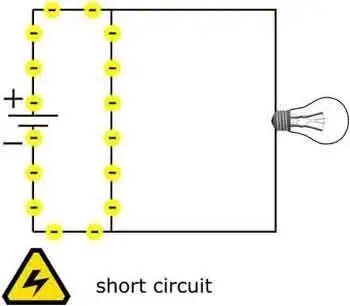
Short Circuit Definition

A short circuit is a fault in which an unintended low-resistance path allows excessive current to flow, causing overheating, sparks, and equipment damage in electrical circuits, often triggered by insulation failure or loose conductors.   Understanding the Short Circuit Understanding the short-circuit definition and associated risks is crucial to ensuring electrical safety in homes and workplaces. By knowing the common causes of short circuits and employing preventive measures such as regular inspections, proper installation, and protective devices like circuit breakers and GFCIs, we can minimize the dangers associated with short circuits and create a safer environment for everyone. A short…
View more

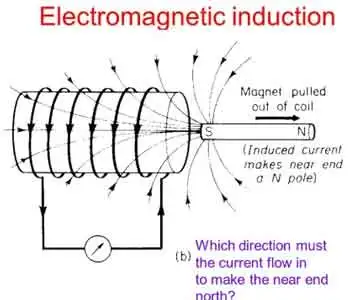
Electromagnetic Induction

Electromagnetic induction is the process of generating electric current by changing a magnetic field, forming the basis for transformers, generators, and electric motors in power generation and energy conversion systems.   The Complete Guide to Electromagnetic Induction Its underlying principles, Faraday's Law and Lenz's Law, explain the phenomena occurring when magnetic fields interact with conductors. At the same time, its various applications, such as electric generators, transformers, induction heating, and wireless charging, have revolutionized our daily lives. As we continue to explore and understand this intricacy, we can look forward to even more innovations and advancements in electricity and magnetism.…
View more

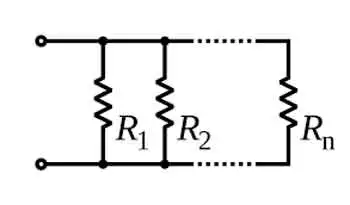
Equivalent Resistance

Equivalent resistance is the total resistance of a circuit that simplifies multiple resistors into a single resistor. It is calculated differently for series and parallel circuits, helping determine current flow, voltage distribution, and overall power consumption in electrical networks.   How Equivalent Resistance Works By mastering the calculation methods for series and parallel circuits, understanding the relationship with Ohm's law, and applying Kirchhoff's laws in more complex situations, you can efficiently analyze and design electrical systems that meet the requirements of various applications. Furthermore, by incorporating equivalent resistance calculations into your skillset, you'll be better prepared to tackle the exciting…
View more

Sign Up for Electricity Forum’s Newsletter

Stay informed with our FREE Newsletter — get the latest news, breakthrough technologies, and expert insights, delivered straight to your inbox.

Electricity Today T&D Magazine Subscribe for FREE

Stay informed with the latest T&D policies and technologies.
  • Timely insights from industry experts
  • Practical solutions T&D engineers
  • Free access to every issue

Download the 2026 Electrical Training Catalog

Explore 50+ live, expert-led electrical training courses –

  • Interactive
  • Flexible
  • CEU-cerified