Arc Flash Victim - Learn How Not To Become One
By R.W. Hurst, Editor
CSA Z462 Arc Flash Training – Electrical Safety Compliance Course
Our customized live online or in‑person group training can be delivered to your staff at your location.
- Live Online
- 6 hours Instructor-led
- Group Training Available
Download Our OSHA 4475 Fact Sheet – Being Aware of Arc Flash Hazards
- Identify root causes of arc flash incidents and contributing conditions
- Apply prevention strategies including LOTO, PPE, and testing protocols
- Understand OSHA requirements for training and equipment maintenance
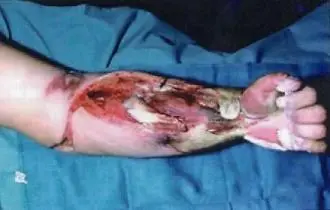
An arc flash victim is harmed when an electrical arc fault releases extreme heat, light, and pressure. Injuries often involve severe burns, hearing damage, and electric shock. Understanding arc flash risks, PPE, and training helps reduce workplace injuries.
Arc Flash Victim Overview
An arc flash victim is a worker exposed to a sudden release of electrical energy during an arc fault. These events occur without warning and can permanently alter lives, workplaces, and careers. Rather than examining technical causes, this article focuses on the human consequences of arc-flash incidents and the conditions that put workers at risk.
Request a Free Training Quotation
An arc flash victim is exposed to extreme heat, blinding light, intense pressure, and electrical forces that no human body is designed to withstand. The event unfolds in a fraction of a second, leaving little opportunity for reaction once a fault begins. Whether the outcome is survivable or fatal often depends on decisions made long before the incident occurred. Employers play a key role in protection; understand their responsibilities in "Who's Responsible for Protecting You from Arc Flashes."
The Human Impact of Arc Flash Events
Arc flash (AF) incidents are not abstract safety statistics. They involve real people performing routine work such as inspection, testing, troubleshooting, or maintenance on electrical equipment. In many cases, the task appears familiar, the environment feels controlled, and the hazard is underestimated. When an AF occurs, the worker becomes the final point of exposure in a chain of technical and procedural failures.
The physical effects of an AF are often intensified by the violent pressure wave that accompanies the event, a phenomenon explained in greater detail in our guide to arc blast hazards and effects. Beyond the immediate consequences, arc-flash victims may face prolonged recovery, permanent limitations, or an inability to return to their trade.
Test Your Knowledge About Arc Flash!
Think you know Arc Flash? Take our quick, interactive quiz and test your knowledge in minutes.
- Instantly see your results and score
- Identify strengths and areas for improvement
- Challenge yourself on real-world electrical topics
Work Environments Where Victims Are Most Common
Arc flash victims are most often found in environments where energized electrical equipment is routinely accessed. This includes industrial facilities, commercial buildings, utility installations, and construction sites. Electricians, maintenance personnel, technicians, engineers, and trainees face elevated risk because their work places them inside electrical rooms, panels, and switchgear where faults can occur.
Risk increases when equipment remains energized for convenience, when time pressure overrides caution, or when hazards are assumed rather than verified. Many serious incidents occur in systems that were never fully evaluated, highlighting the importance of identifying weaknesses before work begins rather than after an accident.
How Workers Become Arc Flash Victims
Most arc flash victims are not injured because they deliberately ignore safety, but because systems and processes fail to protect them. Incomplete hazard identification, outdated documentation, improper work practices, and equipment condition issues often combine to create exposure. Many of these failures are discussed in the most common errors in arc flash analysis, which show how small oversights can lead to catastrophic outcomes.
Effective planning plays a critical role in prevention. A properly executed arc flash analysis helps identify where workers are most at risk and the controls required before energized work is performed.
Why Protection and Preparation Matter
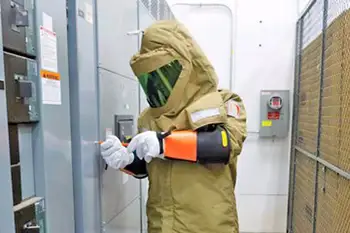
Whether a worker becomes an arc flash victim often comes down to preparation rather than chance. Distance from energized parts, protective device performance, and the availability of appropriate protective equipment all influence outcomes. Properly selected protective garments, as described in our overview of arc flash clothing and PPE, serve as a last line of defence when exposure cannot be eliminated. Proper personal protective equipment (PPE) can significantly reduce the severity of injury. Explore the Arc Flash PPE Guide for detailed information.
More importantly, training and enforced procedures determine whether exposure occurs at all. Organizations that invest in structured education programs, including NFPA 70E arc flash training, significantly reduce the likelihood that workers will become victims.


Responsibility Before and After an Incident
When an arc flash incident occurs, the immediate priority is scene safety and medical response. Responsibility does not end there. Employers must investigate root causes, correct deficiencies, and prevent recurrence. Each arc flash victim represents a failure in planning, protection, or oversight that must be addressed to protect future workers.
Preventing Future Arc Flash Victims
Arc flash victims are not inevitable. Most incidents can be prevented through structured planning, accurate hazard identification, effective training, and consistent enforcement of safety procedures. These elements come together through formal evaluations, such as an arc-flash risk assessment, which focus on preventing exposure rather than reacting to injury.
By keeping attention on the human outcomes of arc-flash events and the responsibilities that surround them, organizations can move beyond compliance and toward genuine worker protection.
This high-temperature event can cause serious burns, hearing loss, and even be fatal. In the United States, incidents contribute to hundreds of workplace accidents and fatalities each year. Implementing comprehensive electrical safety protocols, including proper training and the use of appropriate personal protective equipment (PPE), is crucial in reducing the risk of such accidents. Regular maintenance and adherence to safety standards can significantly reduce the likelihood of an electrical explosion occurring, thereby ensuring a safer working environment. Employers play a key role in protection; understand their responsibilities in "Who's Responsible for Protecting You from Arc Flashes."
By understanding the risks and implementing effective safety measures, we can protect workers from the devastating impacts of electrical explosions and ensure a safer working environment. Analyzing past incidents provides valuable lessons; read our Arc Flash Fatality case studies and What Is Arc Flash for insights.
Related Articles
