Arc Flash Clothing - NFPA 70E-Rated FR PPE
By Howard Williams, Associate Editor
CSA Z462 Arc Flash Training – Electrical Safety Compliance Course
Our customized live online or in‑person group training can be delivered to your staff at your location.
- Live Online
- 6 hours Instructor-led
- Group Training Available
Download Our OSHA FS3529 Fact Sheet – Lockout/Tagout Safety Procedures
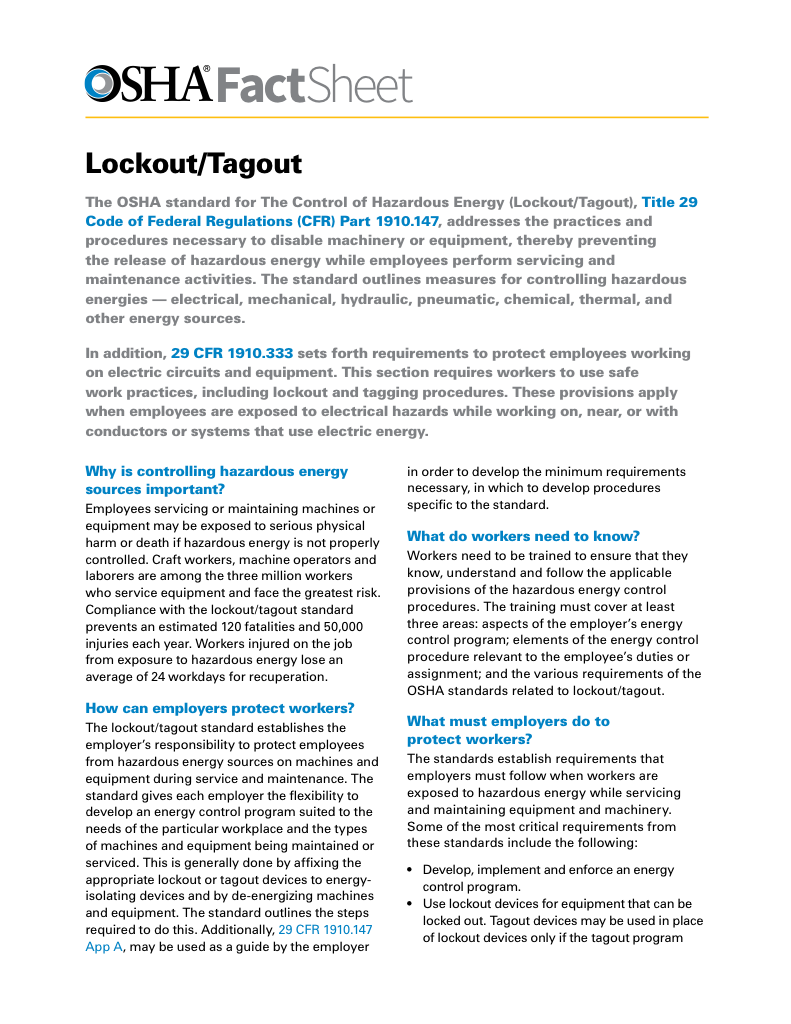
- Learn how to disable machines and isolate energy sources safely
- Follow OSHA guidelines for developing energy control programs
- Protect workers with proper lockout devices and annual inspections
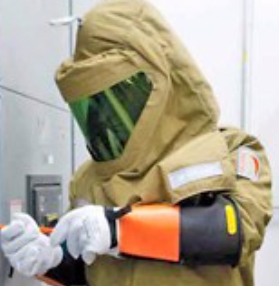
Arc flash clothing reduces injury during electrical work by using arc-rated, flame resistant fabrics tested for incident energy. NFPA 70E compliant shirts, pants, suits, hoods, and PPE help workers manage hazards and arc exposure.
Arc Flash Clothing Explained: What You Need to Know
Arc flash clothing plays a critical role in protecting electrical workers from the severe thermal hazards posed by an electrical arc. When an arc event occurs, temperatures can rise instantly to levels capable of causing deep burns, igniting clothing, and causing life-altering injuries. Arc-rated garments are designed to reduce that risk by forming a protective thermal barrier between the worker and the energy released. To better understand the PPE categories applicable to your gear, explore our Arc Flash PPE Category guide.
Arc flash clothing is manufactured from flame-resistant materials that are tested and certified to withstand specific levels of incident energy. These garments are evaluated using ATPV testing, which determines how much thermal energy the fabric can absorb before a second-degree burn becomes likely. Unlike ordinary flame-resistant workwear, arc flash clothing is selected based on calculated energy exposure rather than general fire resistance alone.
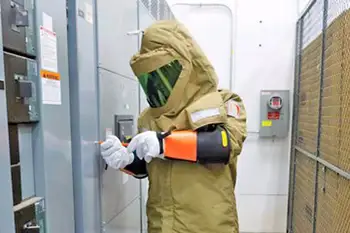
In electrical environments where energized equipment cannot be fully de-energized, arc-rated clothing becomes essential. Shirts, pants, coveralls, suits, hoods, and face protection work together as a system, not as individual items. Each layer contributes to reducing heat transfer, limiting ignition, and protecting the skin from molten metal and radiant energy.
Request a Free Training Quotation
Arc Flash Clothing PPE Categories
Arc flash clothing is commonly grouped into PPE categories that correspond to increasing levels of incident energy.
Category 1 typically includes arc-rated shirts and pants or a coverall rated at 4 cal/cm² and is used for lower-risk tasks such as work on panelboards or lighting controls.
Test Your Knowledge About Arc Flash!
Think you know Arc Flash? Take our quick, interactive quiz and test your knowledge in minutes.
- Instantly see your results and score
- Identify strengths and areas for improvement
- Challenge yourself on real-world electrical topics
Category 2 increases protection to 8 cal/cm² and often adds arc-rated face shields or suit hoods for tasks involving motor control centers and starters.
Category 3 garments are rated at 25 cal/cm² and are used in higher-energy environments such as switchgear rooms and cable trays.
Category 4 provides the highest standard protection at 40 cal/cm² and is intended for work on main switchgear and transformer terminals where incident energy is extreme.
Arc Flash Clothing PPE Category Comparison Table
| PPE Category | Minimum Arc Rating (cal/cm²) | Typical Clothing | Use Case |
|---|---|---|---|
| Category 1 | 4 cal/cm² | Arc-rated FR shirt and pants or FR coverall | Panelboards, lighting control panels |
| Category 2 | 8 cal/cm² | Arc-rated FR shirt and pants + arc-rated face shield or suit hood | Motors, starters, MCCs |
| Category 3 | 25 cal/cm² | Arc-rated FR coverall + suit hood, gloves, boots | Switchgear, cable trays, high-energy circuits |
| Category 4 | 40 cal/cm² | Suit with multi-layer FR protection + full PPE ensemble | Main switchgear, transformer terminals |
Why Arc Flash Clothing Is Necessary
An electrical arc can release enormous heat, pressure, and light in a fraction of a second. The thermal energy alone is enough to cause serious burns through untreated clothing. Arc-rated garments absorb and deflect this energy, reducing the likelihood of skin injury and ignition. For workers involved in maintenance, testing, and troubleshooting, this protective clothing often represents the final layer of defence when other controls cannot eliminate risk.
Understanding Arc Ratings
Arc flash clothing ratings indicate the maximum incident energy a garment can withstand before the wearer is exposed to a second-degree burn. Common ratings include 25 cal/cm² for moderate-risk tasks and 40 cal/cm² for high-energy operations. The correct rating must always meet or exceed the incident energy calculated by an arc flash hazard analysis. Selecting clothing without understanding these values can leave workers underprotected.
For comprehensive guidance on selecting and using suits rated at 40 cal/cm², visit our detailed 40 Cal Arc Flash Suit page. Need clothing for extreme hazards? Check out our 100 Cal Arc Flash Suit to understand high-energy task protection.
Selecting the Right Arc Flash Clothing
Proper selection begins with evaluating the task and the equipment involved. High-energy work on switchgear or live testing typically requires higher-rated suits, while routine tasks may be performed safely in lower-rated daily wear. A complete PPE system may include arc-rated shirts, pants, coveralls, balaclavas, gloves, and face protection. Employers must decide whether daily wear or task-specific clothing is appropriate based on exposure frequency and severity. Learn how PPE ratings and performance impact worker safety on our dedicated PPE Performance page.
NFPA 70E Compliance and Worker Protection
NFPA 70E establishes clear requirements for hazard assessment, PPE selection, and worker training. Compliance means more than issuing protective clothing. Employers must ensure garments match calculated incident energy levels and that workers understand when and how to use them properly. Training, inspection, and enforcement are all part of an effective arc flash protection program. Ensure your protective clothing meets industry standards by reviewing the NFPA 70E PPE Requirements.
Care and Service Life
Arc flash clothing must be properly maintained to remain effective. Garments should be cleaned according to manufacturer instructions and inspected regularly for damage, contamination, or excessive wear. Worn or compromised clothing should be removed from service immediately. Protective performance cannot be assumed once the fabric's integrity is lost.
When incident energy is present, proper arc flash clothing is mandatory. It reduces injury risk, supports regulatory compliance, and protects lives in environments where electrical hazards are unavoidable.
Related Articles:
