Renewable Energy Credits

Renewable Energy Credits - Financial Solutions

Renewable energy credits certify MWh-scale green generation, enabling GHG accounting, Scope 2 reductions, RPS compliance, and PPA hedging via registries like WREGIS, GATS, and M-RETS for grid decarbonization and utility procurement strategies.


Renewable Energy Credits Explained

Renewable Energy Credits, otherwise known as Renewable Electricity Certificates, or Tradable Renewable Certificates (TRCs), are tradable, non-tangible energy commodities that represent proof that 1 megawatt-hour (MWh) of electricity was generated from an eligible renewable energy resource (renewable electricity). For context on how clean generation is delivered and tracked, see renewable electricity fundamentals and related attributes.

Renewable Energy Credits can be sold and traded or bartered, and the owner of the REC can claim to have purchased renewable energy. While traditional carbon emissions trading programs promote low-carbon technologies by increasing the cost of emitting carbon, RECs can incentivize carbon-neutral renewable energy by providing a production subsidy to electricity generated from renewable sources. It is important to understand that the energy associated with a REC is sold separately and is used by another party. The consumer of a REC receives only a certificate. These market incentives often complement policies such as renewable energy tax credits that influence project financing.

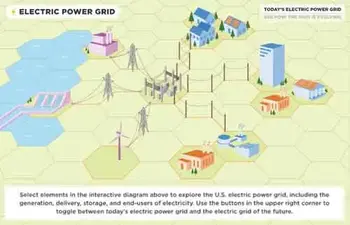
In states and provinces that have a REC programs, a green energy provider (such as a wind farm) is credited with one REC for every 1,000 kWh or 1 MWh of electricity it produces (for reference, an average residential customer consumes about 800 kWh in a month). A certifying agency gives each REC a unique identification number to make sure it doesn't get double-counted. The green energy is then fed into the electrical grid (by mandate), and the accompanying REC can then be sold on the open market. Understanding the range of renewable energy systems that can issue RECs helps stakeholders assess performance and eligibility.

Renewable energy power companies benefit from RECs because they serve as an incentive. Many non-renewable energy sources are subsidized, making it difficult for green energy companies to survive. By being able to sell the power and RECs, the company can afford to thrive in the market. Prices for RECs vary widely, just like other commodities, and they are available for sale in numerous locations. Price signals can also vary with the mix of local renewable energy sources and transmission constraints.

By purchasing Renewable Energy Credits, consumers can claim that they are supporting green energy. While a consumer would ideally also purchase renewable energy for his or her home, this is not always possible. RECs allow companies and individuals to support power in areas which do not offer it directly. Consumers should also, of course, practice conservation and work to get green power in their area, but RECs are a good place to start. For companies, they are an important part of doing business responsibly, while thinking about future generations. For households unable to procure green tariffs, RECs align with broader clean renewable energy practices and ongoing efficiency efforts.

Along with carbon offsets and other incentive programs, Renewable Energy Credits are part of a growing movement which acknowledges that even small changes make a big difference. By supporting green energy, consumers show that there is a demand for it, and companies can build more plants or accelerate production with the funds raised through the sale of RECs. Organizations which promote programs like this hope to eventually see everyone's ecological footprint, meaning the amount of resources and space needed to support a particular lifestyle, greatly reduced. Clear explanations of what is renewable energy empower buyers to request credible products and disclosures.


What's the difference between a REC and a Carbon Offset?

All RECs from qualifying new generators represent the environmental attributes of renewable power, principally the fact that producing that power causes less, or no, pollution. When you buy an amount of wind-generated Renewable Energy Credits equal to your electricity consumption, you are legally entitled to claim that you are wind powered, and that your electricity use does not contribute to global warming. In other words, all wind Renewable Energy Credits can convert your electricity to wind power. However, for a REC to be used to offset emissions from driving, flying or heating your home, it must be from a project that would not have been implemented without the opportunity to realize revenues for the carbon reductions (in other words, it must be "additional" to business-as-usual - see "what's the importance of additionality, below"), and not all renewable energy projects can say that. To evaluate such claims confidently, consult resources that present renewable energy facts and common verification methods.
 

Related Articles

Related News

Renewable Electricity Technology

Renewable electricity enables grid integration of solar, wind, and hydro via power electronics, inverters, and converters; optimized by SCADA, EMS, and storage for frequency regulation, reliability, decarbonization, and resilient microgrids across transmission.   How Renewable Electricity Works Renewable Electricity Renewable electricity (RE) policy is an important subset of industrial and energy policy, and thus needs to be aligned with the energy policy priorities of sustainability, competitiveness, and security. Our common and only long-term natural advantage in the energy sector stems from renewable electricity resources such as wind, biomass, and ocean energy. For a concise overview, see what is renewable energy for…
View more

Renewable Power Sources

Renewable power sources deliver clean energy via solar PV, wind turbines, hydroelectric, geothermal, and biomass, enabling grid integration, power electronics, smart inverters, and energy storage for efficient, low-carbon electricity generation and resilient distribution.   The Complete Guide to Renewable Power Sources Renewable Power Sources involve a wide range of modern technologies that do not rely on fossil fuels or non-renewable energy sources to generate electricityFor a broader overview of policies, technologies, and market adoption, the field of renewable power continues to evolve rapidly worldwide.The following technology risks have been identified for various renewable power sources. The descriptions are based on the…
View more

What is Distributed Generation? Explained

Distributed generation is the local production of electricity using solar, wind, CHP, fuel cells, and energy storage near the point of use, reducing transmission losses and improving grid resilience. Distributed generation describes a practical shift in how electricity is produced and delivered. Instead of relying solely on large, remote power plants, electricity is generated closer to where it is actually used. This approach reflects how modern energy systems are evolving in response to efficiency goals, reliability concerns, and the growing role of renewable energy.   Distributed Generation Overview  At its core, distributed generation (DG) focuses on smaller, localized sources of…
View more

What Is Renewable Energy?

What Is Renewable Energy Learn the Facts? Explore clean energy sources—solar, wind, hydro, geothermal—grid integration, power electronics, inverters, energy storage, smart grids, decarbonization, reliability, and efficiency in electrical systems operation.   What Is Renewable Energy Learn the Facts? What Is Renewable Energy? Renewable Energy is popularly considered as any source of sustainable energy that has as its source the renewable, natural environment. Most souces of renewable energy include wind energy, solar energy, water energy and biomass energy, as well as geothermal energy. In most cases, renewable energies are replenished by the natural environment. Non renewable energy resources, such as fossil fuels,…
View more

Biomass Renewable Energy

Biomass renewable energy converts organic feedstocks into electricity via gasification, biogas, and CHP systems, integrating with microgrids, power electronics, inverters, and grid-tied generators for reliable, low-carbon baseload and frequency support.   Applications of Biomass Renewable Energy in Modern Power Systems Biomass Renewable Energy is an important source of energy for majority of the world’s population. The use of biomass renewable energy is expected to increase in the near future, with growth in population. In many under developed nations (most especially areas such as parts of Africa, conventional biomass renewable energy dominates national energy strategies, leading to negative impacts on human health…
View more

What Is Renewable Energy?

What is renewable energy? Electricity from solar, wind, hydro, and geothermal converted via generators and power electronics, integrated with grid infrastructure, energy storage, and smart controls to deliver sustainable, low-carbon power with reliability and efficiency.   What Is Renewable Energy? What Is Renewable Energy? Renewable Energy is popularly considered as any source of sustainable energy that has as its source the renewable, natural environment. Most souces of renewable energy include wind energy, solar energy, water energy and biomass energy, as well as geothermal energy. In most cases, renewable energies are replenished by the natural environment. Non renewable energy resources, such as…
View more

Sign Up for Electricity Forum’s Newsletter

Stay informed with our FREE Newsletter — get the latest news, breakthrough technologies, and expert insights, delivered straight to your inbox.

Electricity Today T&D Magazine Subscribe for FREE

Stay informed with the latest T&D policies and technologies.
  • Timely insights from industry experts
  • Practical solutions T&D engineers
  • Free access to every issue

Live Online & In-person Group Training

Advantages To Instructor-Led Training – Instructor-Led Course, Customized Training, Multiple Locations, Economical, CEU Credits, Course Discounts.

Request For Quotation

Whether you would prefer Live Online or In-Person instruction, our electrical training courses can be tailored to meet your company's specific requirements and delivered to your employees in one location or at various locations.