Renewable Electricity Technology

Renewable Electricity

Renewable electricity enables grid integration of solar, wind, and hydro via power electronics, inverters, and converters; optimized by SCADA, EMS, and storage for frequency regulation, reliability, decarbonization, and resilient microgrids across transmission.


How Renewable Electricity Works

Renewable Electricity Renewable electricity (RE) policy is an important subset of industrial and energy policy, and thus needs to be aligned with the energy policy priorities of sustainability, competitiveness, and security. Our common and only long-term natural advantage in the energy sector stems from renewable electricity resources such as wind, biomass, and ocean energy. For a concise overview, see what is renewable energy for context.

Climate change mitigation and security of supply have become the focus of many recent national electricity policies. Renewable energy resources can play an important part in addressing both of these concerns. Additional background on key renewable energy sources can clarify technology options.

Against this background of increasing fossil fuel prices and remarkable energy growth demand, this page focuses on renewable electricity. Readers can also learn the facts about renewable energy to understand policy implications.

Consumers demand secure, dependable and competitively priced electricity and producers must be responsive to these market requirements. Well-designed renewable energy systems help meet these expectations.

The combination of increased demand for renewable electricity and security of supply is a very powerful driver of major power sector change worldwide. Currently, for example, about 50 per cent of energy demand is met with imported fuel and there are projections that this could rise to about 70 per cent in future decades. Economic development and increasing consumption of electricity-consuming equipment will increase the demand for future electricity. Comparative insights into renewable alternative energy highlight pathways for reducing import dependence.

Alongside electricity demand and security of supply issues, climate change also poses a global threat. Large scale decarbonisation of electricity generation and many other sectors will have to occur if the planet is to stay within the 2 degree C target for limiting global warming effects. Scaling clean renewable energy remains central to achieving these targets.

The key components of such a vision are:

  • A regional power system based on a SuperSmart Grid;
  • The rapid scaling up of all forms of renewable power, with the ultimate goal of decarbonising electricity generation in Europe and North Africa;
  • A unified European power market that is united with the North African one, allowing for the free trading of electricity between all countries;
  • The production of renewable electricity at the most suitable sites by the most suitable renewable electricity technologies


    Renewable Electricity Resources

    Resources and technological applications that may qualify as a source for Clean or Renewable Electricity production are listed below:

    In many markets, renewable energy credits support project economics and tracking of environmental attributes.

    Biogas Energy - refers to renewable electricity produced from a plant that mostly captures biogas for conversion to electric power. Biogas refers to the gaseous constituents (mostly methane and carbon dioxide) are produced from solid organic waste. Facilities producing biogas fuel include municipal garbage landfill sites, common sewage treatment facilities, and anaerobic deterioration of organic waste processing plants.

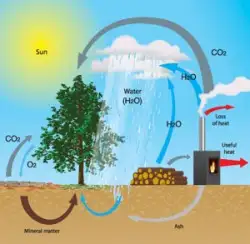
    Biomass Energy - refers to renewable electricity generated from the burning of organic materials. Biomass includes, but is not limited to:

    • Clean wood biomass, which translates into
    • wood residue
    • wood leftover debris from logging activities
    • organic residue from pulp and paper production plants
    • timber infectedd with mountain pine beetle
    • Liquid fuel that comes from biomass sources such as bio-oil, ethanol, methanol, etc.
    • Dedicated energy crop sources such as corn
    • Clean burning and organically sourced material which has been separated from municipal solid waste

    Energy Recovery Generation (ERG ) - refers to renewable electricity generated from the recovery of industrial waste energy that would otherwise be emitted into the atmosphere. ERG represents a net environmental benefit relative to existing energy production because it uses the waste output of other industrial processes to generate electricity. Therefore, all energy output from an ERG plant is considered renewable.

    Geothermal Energy - refers to renewable electricity produced using the natural heat of the earth, including steam, water and water vapour as well as all materials dissolved in the steam, water or water vapour.


Related Articles

Related News

Renewable Energy Sources Explained

Renewable energy sources power modern grids via solar photovoltaics, wind turbines, and hydropower, using power electronics, inverters, smart grid controls, and energy storage to enhance reliability, grid integration, load balancing, and efficient transmission.   Key Concepts of Renewable Energy Sources Renewable Energy Sources are any renewable energy source that can be turned into the generation of electricity. Most renewable energy systems depend on natural souces of energy such as solar energy, wave energy, water energy, wind energy, etc that takes advantage of these energy souces to facilitate the conversion of those energies through the mechanical action of a generator to manufacture…
View more

Renewable Energy Tax Credits

Renewable Energy Tax Credits reduce project CAPEX via ITC/PTC incentives for solar, wind, battery storage, and EV charging, supporting grid modernization, power electronics, and IEEE-compliant interconnections while accelerating decarbonization and load flexibility.   Understanding How Renewable Energy Tax Credits Work The Government of Canada wants Canadians to invest in a healthier environment, a more stable energy future and a more competitive economy, so it offers innovative Renewable Energy Tax Credits. For an overview of complementary programs, the resource at alternative energy incentives outlines how federal and provincial measures align with investment goals today.In order to achieve these goals, two specific…
View more

Clean Renewable Energy Explained

Clean renewable energy powers electrification with solar, wind, and hydro, leveraging power electronics, energy storage, smart grids, and grid integration to cut carbon, enhance reliability, and optimize load management for sustainable electrical engineering.   Understanding Clean Renewable Energy: Principles and Applications Clean Renewable EnergyWidespread use of clean renewable energy technologies (RET) is vital in securing a sustainable global energy system. Advantages of RET include:In contrast to conventional energy sources, the potential supply from renewables is essentially infinite and largely free of external costs.While clean renewable energy technologies currently still have relatively high installation costs, operating costs are low.In many countries,…
View more

Biomass Renewable Energy

Biomass renewable energy converts organic feedstocks into electricity via gasification, biogas, and CHP systems, integrating with microgrids, power electronics, inverters, and grid-tied generators for reliable, low-carbon baseload and frequency support.   Applications of Biomass Renewable Energy in Modern Power Systems Biomass Renewable Energy is an important source of energy for majority of the world’s population. The use of biomass renewable energy is expected to increase in the near future, with growth in population. In many under developed nations (most especially areas such as parts of Africa, conventional biomass renewable energy dominates national energy strategies, leading to negative impacts on human health…
View more

What is Tidal Energy? Explained

Tidal energy is a renewable power source that harnesses ocean tides through the use of turbines and barrages. Utilizing predictable tidal cycles, it supports clean electricity generation, reduces dependence on fossil fuels, and strengthens sustainable energy systems.   What is tidal energy? It is a renewable power harnessed from the rise and fall of the ocean's tides. The ocean's vast power is one of the most promising resources, capable of generating electricity to meet the needs of communities worldwide. With the growing demand for clean, sustainable sources, tide-generated power has been thrust into the spotlight as an effective and environmentally…
View more

Renewable Power Explained

Renewable power drives grid decarbonization via solar PV, wind turbines, hydropower, energy storage, power electronics, and smart grid integration, optimizing reliability, efficiency, and demand response in modern electric power systems.   The Science Behind Renewable Power Renewable power technology is developing rapidly around the world aided by range of economic support mechanisms. This paper reviews the various mechanisms, and explores the relative merits of technology push and market pull approaches. It compares the approaches adopted in the UK with those used elsewhere. For readers new to the topic, a clear overview of what is renewable energy helps frame the policy…
View more

Sign Up for Electricity Forum’s Newsletter

Stay informed with our FREE Newsletter — get the latest news, breakthrough technologies, and expert insights, delivered straight to your inbox.

Electricity Today T&D Magazine Subscribe for FREE

Stay informed with the latest T&D policies and technologies.
  • Timely insights from industry experts
  • Practical solutions T&D engineers
  • Free access to every issue

Download the 2026 Electrical Training Catalog

Explore 50+ live, expert-led electrical training courses –

  • Interactive
  • Flexible
  • CEU-cerified