Renewable Energy Sources Explained


Renewable Energy Sources

Renewable energy sources power modern grids via solar photovoltaics, wind turbines, and hydropower, using power electronics, inverters, smart grid controls, and energy storage to enhance reliability, grid integration, load balancing, and efficient transmission.


Key Concepts of Renewable Energy Sources

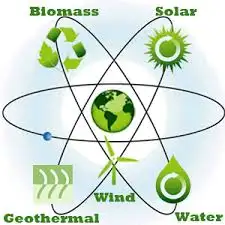
Renewable Energy Sources are any renewable energy source that can be turned into the generation of electricity. Most renewable energy systems depend on natural souces of energy such as solar energy, wave energy, water energy, wind energy, etc that takes advantage of these energy souces to facilitate the conversion of those energies through the mechanical action of a generator to manufacture electricity. Also energy in the form of heat from deep in the crust of the Earth can be converted into electric power. This is known as "geothermal energy" production. There are other instances in which electricity can be generated from biofuel energy and fuel cell technology. The main advantage of renewable energy sources is that they are considered non-polluting but some can be unreliable, depending on when the sun shines and the wind blows, which is not how electricity is consumed. For a broader overview of definitions and technologies, see this guide to what renewable energy entails for additional context.

Despite inherent problems with the technology behind renewable energy sources, increasing environmental pressure is forcing development at an increasing pace. By the end of 2002, worldwide wind-power generation had exceeded 30 megawatts and had reached an annual growth rate of 25 per cent. Further insights into generation trends are summarized in this overview of renewable electricity with data on deployment.


Renewable Energy Sources

For readers comparing technologies, this summary of the main forms of alternative energy outlines typical applications.

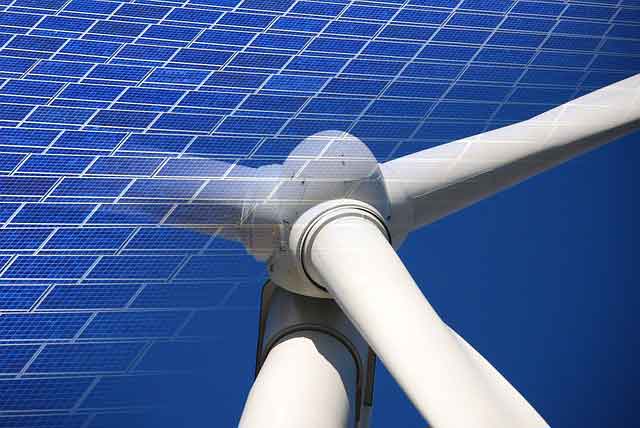
Wind Energy Wind Energy Researchers recently calculated wind power's global potential. They have concluded that wind at many specific locations could produce more than enough electric power to meet world electricity demand. Comparative resource maps and case studies are available in this overview of alternative energy sources for deeper exploration.


Solar Energy The amount of solar energy by any measure is also enormous. Every hour more energy strikes the surface of the Earth than is consumed globally in a year.14 According to the DOE’s Solar Energy Technologies Program, there is on average between 2.8 and 6.2 kilowatt-hours (kWh) of sunlight available per square meter (m2) each day.15 The exact amount of sunlight depends on the region and the season. In the United States, the annual average is 4.8 kWh/m2 per day. Regional insolation data and technology basics are summarized in this renewable energy facts explainer for reference.


Advanced Hydro Hydro-electric power generation currently produces 10 per cent of the electricity production in the United States and is a clean source of renewable energy. However, mega dams and stations have a history of causing negative environmental impacts. Emerging fish-friendly designs and storage options are profiled in this overview of alternative energy solutions addressing environmental trade-offs.


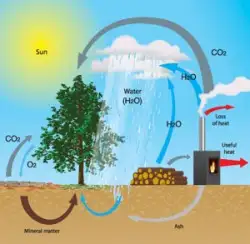
Biomass Biomass is the burning of organic matter – typically agricultural crops and grasses – to produce heat or electricity. Biomass, which is different than solar and wind energy, does contribute significantly to world carbon dioxide emission levels. These emissions, on the other hand, can be offset through plantations of new crops and forests, which absorb carbon dioxide. For biomass to be a significant source of non-carbon emitting renewable energy, plants must be raised with little cultivation and fertilizer, and then transported over short distances, and harvested by methods that do not spoil the environment. Broader market trends and policy drivers are discussed in this guide to renewable alternative energy with practical examples.

Importantly, renewable energy sources produce virtually no greenhouse gas emissions and can effectively address climate change. If unchecked, the disruption of the earth’s atmosphere poses the greatest threat to humankind in our lifetimes. Continuing to fill the atmosphere with greenhouse gases will melt the ice caps, increase sea levels around the world, bring on more intense weather patterns, and adversely affect and disrupt food production, while destroying vast areas of the biosphere. Millions of inhabitants may be without food, shelter and clean water, which could cause political and social revolution and chaos. According to a studies, renewable energy souces, combined with industrial, commercial and institutional energy efficiency measures could decrease greenhouse gas emission pollution by as much as 70 per cent. With relatively little capital and short times for deployment, renewable energy sources could start to positively address global climate issues more rapidly than, say, nuclear power.

 

Related Articles

Related News

Renewable Energy Tax Credits

Renewable Energy Tax Credits reduce project CAPEX via ITC/PTC incentives for solar, wind, battery storage, and EV charging, supporting grid modernization, power electronics, and IEEE-compliant interconnections while accelerating decarbonization and load flexibility.   Understanding How Renewable Energy Tax Credits Work The Government of Canada wants Canadians to invest in a healthier environment, a more stable energy future and a more competitive economy, so it offers innovative Renewable Energy Tax Credits. For an overview of complementary programs, the resource at alternative energy incentives outlines how federal and provincial measures align with investment goals today.In order to achieve these goals, two specific…
View more

What Is Renewable Energy?

What is renewable energy? Electricity from solar, wind, hydro, and geothermal converted via generators and power electronics, integrated with grid infrastructure, energy storage, and smart controls to deliver sustainable, low-carbon power with reliability and efficiency.   What Is Renewable Energy? What Is Renewable Energy? Renewable Energy is popularly considered as any source of sustainable energy that has as its source the renewable, natural environment. Most souces of renewable energy include wind energy, solar energy, water energy and biomass energy, as well as geothermal energy. In most cases, renewable energies are replenished by the natural environment. Non renewable energy resources, such as…
View more

Biomass Renewable Energy

Biomass renewable energy converts organic feedstocks into electricity via gasification, biogas, and CHP systems, integrating with microgrids, power electronics, inverters, and grid-tied generators for reliable, low-carbon baseload and frequency support.   Applications of Biomass Renewable Energy in Modern Power Systems Biomass Renewable Energy is an important source of energy for majority of the world’s population. The use of biomass renewable energy is expected to increase in the near future, with growth in population. In many under developed nations (most especially areas such as parts of Africa, conventional biomass renewable energy dominates national energy strategies, leading to negative impacts on human health…
View more

Renewable Power Sources

Renewable power sources deliver clean energy via solar PV, wind turbines, hydroelectric, geothermal, and biomass, enabling grid integration, power electronics, smart inverters, and energy storage for efficient, low-carbon electricity generation and resilient distribution.   The Complete Guide to Renewable Power Sources Renewable Power Sources involve a wide range of modern technologies that do not rely on fossil fuels or non-renewable energy sources to generate electricityFor a broader overview of policies, technologies, and market adoption, the field of renewable power continues to evolve rapidly worldwide.The following technology risks have been identified for various renewable power sources. The descriptions are based on the…
View more

Renewable Energy Systems

Renewable energy systems integrate solar PV, wind turbines, battery storage, inverters, and smart grid controls for efficient generation, power conversion, and grid integration, enabling resilient microgrids and low-carbon, distributed electricity.   Renewable Energy Systems: Real-World Examples and Uses Renewable energy systems today can be a cost effective alternative for areas with high electricity connection fees. For an overview of how stand-alone configurations work in remote areas, see this guide to off-grid solar power systems and typical cost considerations.It is also possible to connect renewable energy power systems to the grid, reducing the amount of electricity you need to purchase, or…
View more

Wind Turbine Theft: An Emerging Threat to Renewable Energy Infrastructure

Wind Turbine Theft an Emerging Threat to Renewable Energy Infrastructure drives copper theft, SCADA breaches, and component vandalism, undermining grid reliability, power electronics, asset monitoring, and substation security via weak telemetry and inadequate intrusion detection.   Wind Turbine Theft: An Emerging Threat to Renewable Energy Infrastructure and Its Impact on Workplace Safety As the global energy landscape shifts towards sustainability, wind power has emerged as a cornerstone of renewable energy. However, a growing concern is threatening the integrity of this clean energy source: the theft of wind turbine components. This issue not only undermines the efficiency of wind farms but…
View more

Sign Up for Electricity Forum’s Newsletter

Stay informed with our FREE Newsletter — get the latest news, breakthrough technologies, and expert insights, delivered straight to your inbox.

Electricity Today T&D Magazine Subscribe for FREE

Stay informed with the latest T&D policies and technologies.
  • Timely insights from industry experts
  • Practical solutions T&D engineers
  • Free access to every issue

Download the 2026 Electrical Training Catalog

Explore 50+ live, expert-led electrical training courses –

  • Interactive
  • Flexible
  • CEU-cerified