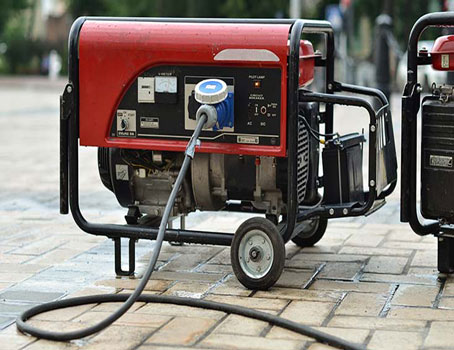
Grounding A Generator
Power Factor Training - Improving System Efficiency
Our customized live online or in‑person group training can be delivered to your staff at your location.
- Live Online
- 6 hours Instructor-led
- Group Training Available
Download Our OSHA 4474 Fact Sheet – Establishing Boundaries Around Arc Flash Hazards
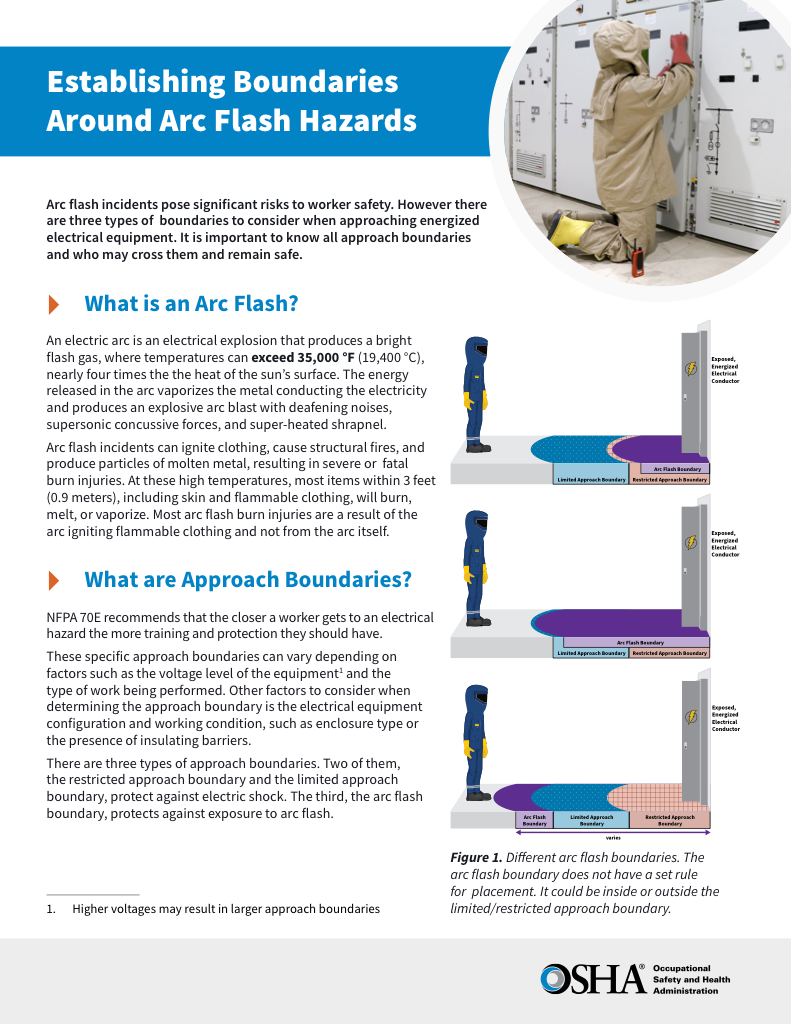
- Understand the difference between arc flash and electric shock boundaries
- Learn who may cross each boundary and under what conditions
- Apply voltage-based rules for safer approach distances
Grounding a generator is the method of connecting the generator frame or neutral to a grounding system so fault current is controlled, touch voltage is limited, and NEC 250 safety requirements are met.
Principles of Grounding a Generator
At its core, the grounding (earthing) system stabilizes voltage during normal operation, protects against dangerous touch voltages, and minimizes electrical hazards. Poor earthing can cause voltage fluctuations, equipment malfunctions, and safety risks. Grounding a generator relies on the grounding strategy that establishes system reference and safety, as defined in our formal grounding definition.
Grounding and Bonding and the NEC 250 Training
Electrical Grounding and the CE Code Training
Request a Free Power Quality Training Quotation
When grounding a generator, safety depends on creating a reliable path for fault currents to dissipate into the earth. A copper ground wire is typically used to connect the unit's metal frame to a ground bolt or electrode, ensuring the entire electrical circuit remains safe during operation. Generators with a fuel tank mounted to the frame must be properly bonded to prevent static discharge, and portable models may need to be manually grounded if not internally bonded. When connected to a building through a transfer switch, proper earthing helps maintain system stability and prevents hazardous voltage differences between the generator and the main electrical service.
Regulatory Guidelines When Grounding a Generator
The National Electrical Code (NEC) and Occupational Safety and Health Administration (OSHA) provide rules for when and how a generator must be grounded.
-
NEC 250 covers earthing and bonding for portable and stationary generators.
- NEC 250.34 specifies exceptions for portable generators that do not require a separate earthing electrode under certain conditions.
-
OSHA requires proper earthing for portable units unless they have specific built-in safety features.
For a deeper regulatory view, see code requirements that govern grounding behavior and fault current criteria, which covers both U.S. and Canadian regulations.
Test Your Knowledge About Power Quality!
Think you know Power Quality? Take our quick, interactive quiz and test your knowledge in minutes.
- Instantly see your results and score
- Identify strengths and areas for improvement
- Challenge yourself on real-world electrical topics
Methods for Grounding a Generator
The right method depends on the generator type and setup:
-
Ground Rod Method – Drive a copper or galvanized rod into the earth, connecting it to the generator’s earthing
-
Frame as Earthing Electrode – Some portable units allow the frame to serve as the electrode when bonded to the neutral conductor.
-
Bonding to Building Ground – Learn how bonding maintains continuity between conductive parts works with grounding methods to protect equipment and reduce electrical hazards.
Best practices:
-
Use corrosion-resistant copper materials
-
Keep all connections tight and free of rust
-
Wear insulated gloves and ensure the work area is dry
For a deeper regulatory view, see code requirements that govern grounding behavior and fault current criteria, which covers both U.S. and Canadian regulations.
Essential Grounding Equipment and Materials
The equipment and materials used for grounding a generator are crucial to achieving safe, effective results. High-quality copper ground rods are preferred for their excellent conductivity and corrosion resistance.
-
Copper Rods – Provide superior conductivity and corrosion resistance
-
Earthing Conductors – Sized to handle maximum fault current without overheating
-
Clamps and Connectors – Ensure a secure bond between rod and frame
-
Bonding Jumpers – Electrically connect all metallic components for safety
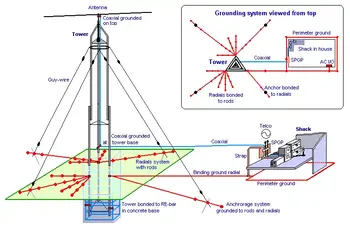
Explore the components and design of a reliable grounding system architecture that organizes reference and fault control to ensure stable operation in all conditions.
Avoiding Common Ground System Mistakes
Despite the availability of guidelines, misconceptions about grounding a generator persist, leading to potentially dangerous practices.
-
Believing a ground rod is always required — some generators are internally bonded and meet NEC exceptions
-
Incorrectly bonding neutral and ground, which can create dangerous parallel paths
-
Using undersized wires or poor-quality clamps
-
Ignoring soil resistance, which affects earthing effectiveness
If you’re new to the subject, start with our guide on understanding electrical grounding for a clear, practical overview.
Adapting Ground System to Different Environments
The environment in which a generator is used also significantly influences its requirements. For instance, in residential settings, soil conductivity and moisture levels can affect the system’s effectiveness.
-
Residential Use – Soil moisture and type impact earthing performance
-
Construction Sites – Higher earthing demands due to large machinery and load fluctuations
-
Recreational Vehicles (RVs) – Often rely on the frame as the earthing electrode, but safety verification is essential
Key Takeaways
-
Always follow NEC 250 and OSHA requirements when grounding a generator
-
Choose high-quality earthing rods, conductors, and connectors
-
Know when a separate electrode is required and when built-in bonding is sufficient
-
Inspect and maintain all earthing connections regularly for safety and compliance
Related Articles
