Biomass Energy - Green Power Solutions


Biomass Energy

Biomass energy converts organic feedstocks into renewable power via combustion, gasification, and anaerobic digestion, enabling CHP systems, grid integration, carbon-neutral generation, improved thermal efficiency, and dispatchable biofuels for resilient electrical infrastructure.


Biomass Energy Fundamentals

Biomass energy comes from biomass feedstock (crops and residues, farm animal wastes, industrial wood, etc.). The heat from this substantial renewable resource can generate electricity, fuel and other forms of energy. It has been estimated that just one eighth of the total biomass energy produced annually could provide all of humanity’s current demand for energy. For a deeper overview of how biomass fits within the clean energy landscape, see this guide on biomass renewable energy and its practical applications today.

Some forms of biomass fuels (or biofuels), derived from biomass feedstock, can be solid, liquid, or gas. Kitchen scraps, sewage, the leftovers of the food processing industries, paper, sawdust, and lawn clippings are some of the available biomass energy sources. Biomass energy has received a lot of attention because an opportunity to convert waste into something very valuable has presented itself. These pathways are often discussed alongside other forms of alternative energy that leverage different feedstocks and conversion methods.


Biomass Energy – How can we use it?

Biomass energy can be converted to generate electricity, fuel vehicles and heat buildings using biofuel technologies. At the moment, biomass energy sources used in power plants include agricultural and farm residues, food processing residues, wood residues and methane gas from land fills. Biomass energy producers hope to significantly expand the supply of biomass energy by using trees and grasses as well. In power markets, biomass can contribute to renewable electricity portfolios alongside wind and solar resources.

Currently, there are more than 350 biomass energy plants generating 7,000 megawatts of biomass power in the United States. The producers who own these plants are quite diverse; they range from the electrical utilities, independent power producers, the wood manufacturing industry, and the pulp and paper industry. Such facilities are part of broader trends in renewable power generation that emphasize reliability and grid integration.

Biomass energy is considered a renewable energy source because it can replenish itself (regrown), unlike fossil fuels such as coal and oil, which when used, are gone. And, unlike coal and oil, biomass energy is an alternative energy source because it doesn’t hurt the environment with harmful chemicals, such as carbon dioxide, which cause greenhouse gas emissions (GHG). Using renewable biomass resources not only reduce greenhouse gases, but they also reduce air pollutants and landfill wastes. This classification aligns with definitions of alternative energy that prioritize low emissions and resource sustainability.

As policies evolve, many jurisdictions frame biomass within broader renewable alternative energy strategies that support decarbonization goals.


Biomass Energy in Today’s Marketplace

Within the spectrum of renewable energy sources, biomass competes and collaborates with wind, solar, and hydro depending on local resource availability.

  • High costs in handling and transportation, as well as high moisture content, have long outweighed the low price of biomass energy feedstocks. Fuels that are filled with moisture are hard to burn properly and heat release is slow and hard to control. However, fuel upgrading options, such as pelletization and drying remedy this situation, thus making biomass energy more economically attractive.
  • Biomass energy can also make be useful in blending and co-firing applications with coal because of the low SO2, NOx, and metals emissions from biomass energy fuels, and their CO2 neutral status.


Biomass Energy – Benefits of Cogeneration

Cogeneration, the practice of producing both electricity and useful heat, is a great way of improving energy efficiency. Some sawmills, for example, use a lot of heat from boilers powered by biomass energy to supply energy to their kiln-drying operations. But any extra heat can help gasify biomass energy fuels so they can be used in a gas turbine, which is more efficient than a simple steam boiler. Additional savings can be produced by using combined cycle technology, which takes additional waste heat from the gas turbine to give power to a steam-driven turbine.
 

Related Articles

Related News

Alternative Energy Geothermal - Green Energy Alternatives

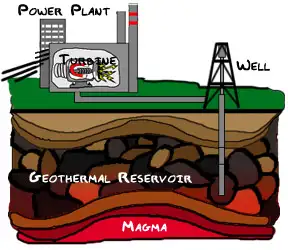
Alternative energy geothermal delivers baseload renewable electricity via hydrothermal reservoirs, binary-cycle ORC turbines, and EGS, using heat exchangers, generators, and power electronics for efficient grid integration, low emissions, and stable capacity.   How Geothermal Alternative Energy Works Geothermal energy comes from heat stored beneath the Earth's surface. Also known as thermal energy, geothermal is considered to be an alternative energy because it produces very little greenhouse gas emissions (GHG), which harm the Earth once it's generated into electricity. Geothermal wells release these greenhouse gases, but not nearly as much as its fossil fuel counterparts oil and coal. For context on how…
View more

Alternative Energy Development - Green Energy Initiatives

Alternative energy development integrates renewable generation, photovoltaics, wind turbines, battery storage, power electronics, and HVDC to optimize grid integration, smart inverters, and microgrids for resilient, efficient electrical systems and decarbonized power networks.   Understanding Alternative Energy Development: Principles and Applications Alternative energy developments represent a transformational opportunity to not only attract new global investment and create new jobs, but to reduce the world's reliance on fossil fuels. And, the future looks bright because experts predict that completed alternative energy developments will add 4.5 trillion dollars in value to the economy by 2030. For readers new to the field, the fundamentals of…
View more

Biomass Energy - Green Power Solutions

Biomass energy converts organic feedstocks into renewable power via combustion, gasification, and anaerobic digestion, enabling CHP systems, grid integration, carbon-neutral generation, improved thermal efficiency, and dispatchable biofuels for resilient electrical infrastructure.   Biomass Energy Fundamentals Biomass energy comes from biomass feedstock (crops and residues, farm animal wastes, industrial wood, etc.). The heat from this substantial renewable resource can generate electricity, fuel and other forms of energy. It has been estimated that just one eighth of the total biomass energy produced annually could provide all of humanity’s current demand for energy. For a deeper overview of how biomass fits within the clean…
View more

Alternative Energy Projects - Home Energy Systems

Alternative energy projects integrate solar PV, wind turbines, battery storage, and smart grid controls, using power electronics, inverters, and HVDC to optimize grid integration, reliability, and decarbonization in electrical engineering applications.   Alternative Energy Projects Explained: What You Need to Know Alternative energy projects are technologies that use alternative energy sources (wind energy, solar energy, among others) instead of conventional fossil fuels that damage the environment with toxic greenhouse (GHG) emissions. Natural Resources Canada (NRCAN) and the Department of Energy (DOE) are among some of the North American governmental organizations looking for ways to use alternative energy sources. While using the…
View more

Forms Of Alternative Energy Explored

Forms of alternative energy span solar, wind, hydro, geothermal, and biomass, engineered with power electronics, inverters, and grid-tied systems for efficient generation, storage, and distribution across smart grids and microgrids.   The Complete Guide to Forms of Alternative Energy Forms of Alternative Energy - Solar EnergyThe sun is one gigantic star that constantly radiates an enormous amount of energy (solar energy). How much is "enormous?" Well, let's just say that the sun sends out more energy in one second than Earth has used since the beginning of time. Like most stars, the sun is a huge ball of gas made…
View more

Alternative Energy Fuels - Future Fuel Choices

Alternative energy fuels drive renewable power systems, integrating hydrogen, biofuels, and electricity with power electronics, smart grids, and energy storage for efficient conversion, decarbonization, and resilient distribution across modern electrical networks.   Understanding Alternative Energy Fuels: Principles and Applications Alternative energy fuels can help reduce harmful greenhouse gas emissions produced from traditional gasoline or diesel fuels. Using alternative energy fuels means that you might have to change your conventional vehicle in for a more environmentally-friendly ride. Is this true? Let's find out. To start, a quick primer on what alternative energy is can clarify terms and set expectations in practical terms. Alternative…
View more

Sign Up for Electricity Forum’s Newsletter

Stay informed with our FREE Newsletter — get the latest news, breakthrough technologies, and expert insights, delivered straight to your inbox.

Electricity Today T&D Magazine Subscribe for FREE

Stay informed with the latest T&D policies and technologies.
  • Timely insights from industry experts
  • Practical solutions T&D engineers
  • Free access to every issue

Download the 2026 Electrical Training Catalog

Explore 50+ live, expert-led electrical training courses –

  • Interactive
  • Flexible
  • CEU-cerified