Renewable Power Generation
Renewable power generation harnesses solar PV, wind turbines, and hydroelectric resources, using inverters, MPPT, and energy storage for grid integration, power quality, reliability, and decarbonization across smart grids and distributed generation.
Renewable Power Generation Explained: What You Need to Know
Renewable power generation is one of the most important subjects in today's electricity production industy and in the future will dominate the agenda to remove power generation from the use of fossil fuels As priorities shift, a clearer understanding of renewable energy sources helps frame policy and investment decisions.
Of all the energy currently consumed in Canada, about 3,700 PJ (46%) is used to generate electricity. Canada has approximately 112 GW of installed electricity generation capacity, and produces approximately 561,805 GWh of electricity annually11 , resulting in a $27 B/yr business12 . Most electricity generation, transmission and distribution have traditionally been handled by vertically integrated provincial monopolies. This resulted in the construction of large-scale centralized power generation facilities and massive transmission systems owned by the same generator. The market is currently evolving under new deregulation guidelines. These shifts are framed by national discussions on renewable electricity policy and markets that influence provincial planning across Canada.
There are currently five main sources of power generation in Canada: natural gas, oil, coal, hydro (larger systems), and nuclear. The smallest component is from "other" sources (<2%), which includes renewable power generation. The National Energy Board estimates that "other" renewable power generation sources will reach 5.5 GW of installed capacity under the Business As Usual scenario, or 16.1 GW under the Techno-Vert scenario13, by the year 2025.Projection figures vary considerably throughout the industry and among government departments and jurisdictions,but are sufficient to provide a range from which to make some reasonable assessments. Contextualizing these categories against the spectrum of renewable power sources clarifies where incremental capacity is most likely to emerge.
Renewable Power Generation
Building on this theme, many jurisdictions measure progress by how much renewable power can reliably contribute during peak demand conditions.
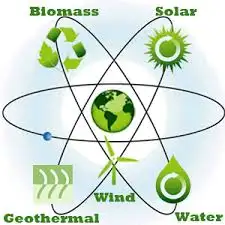
Each sub-sector is examined for its potential to produce electricity and displace conventional fossil fuel electricity generation. Some of the fuels may have other - or even better - applications involving renewable power generation. Cross-sector comparisons with broader renewable alternative energy pathways can highlight complementary uses and integration strategies.
- Wind generated electricity
- Solar energy converted into electricity
- Stationary Fuel Cell technology that generates electric power
- Electric power generated from bio energy sources
- Wind Power: Wind power is becoming the leading non hydro-electric renewable energy source of North American electricity generation. The wind power industry, like the larger renewable power generation industry, has benefited from many years of public and private investment and technology improvements from countries around the world. As a result,some wind installations in Canada are now cost-competitive with (and even less expensive than) conventional electricity generation-even without the Wind Power Purchase Incentive (WPPI) program. Because there is lots of rural property in with suitable wind potential, it means there are many suitable locations which can support renewable power generation. The current focus of the wind power industry is to erect wind turbines and make them operational in time to meet future electricity demand.
- Solar PV Power: Solar energy is traditionally classified in three ways:Photovoltaics (solar electricity,or PV),Solar Thermal (heat) and Passive Solar (displacing the need for active heating or cooling). Most residential, commercial and industrial buildings require both electricity and heat (hot water,space heat,etc.). At this time,this report only focuses on Solar PV. If required,a full treatment of solar thermal (or the combined use of PV and solar thermal) may be conducted in a future analysis.
- Bio-electricity Power: Biofuels encompass all forms of renewable energy derived from bio-based matreials. Ttwo of the four types of renewable power generation from bioenergy sources are bio oil and bio gas. Bio oil can also be converted to electric power in means other than boiler combustion. Generally, bio-renewable power generation involves feedstock collection, fuel production and electricity generation.
- Stationary Fuel Cell Power (Hydrogen): Hydrogen as a possible renewable power generation source opens up a broad application area from alternative energy fuels in transportation to renewable power generation using special hydrogen fuel cells.While the application area for hydrogen is large,the specific focus of this report is on the use of hydrogen fuel cells for the delivery of renewable power generation to electricity grids.
Solid Biomass combustion is the most prominent form of biomass use in Canada. Biomass co-generation is already used widely in the pulp and paper industry for power, space and process heating. It is an established technology which needs improvement, but has not been a strong focus of biotechnology research and development. Advances in controls and co-firing are improving the competitiveness of biomass within the wider alternative energy power landscape for industrial sites.
The top five near-term investment opportunities for renewable power generation include:
Targeted pilots and standards can accelerate alternative energy development while de-risking capital for utilities and independent producers.
- Expanded Feedstock for Bio-electricity - To be successful, electrical generation (fuel conversion) equipment must be able to use a wider range of biomass feedstocks beyond the high quality sources that are currently used. Further, new logistics (collection, harvesting, refining) and conversion processes must be developed to supply a steady and reliable source of these additional raw materials for the emerging biofuel processes and bio-electricity facilities. Examples include technologies that go beyond corn-based ethanol8 and white-wood based pyrolysis.
- Wind Power Grid Integration Hardware - Connecting wind farms to the grid in a standardized,cost effective, and reliable way involves both new technology solutions and policy development. While grid connection is largely a policy issue, there are emerging technologies that can increase wind system power quality and reliability, which will help them gain acceptance among utilities.
- Liquid Biomass ( "Bio Oil") Plant Scale-Up - Demonstrations are required to validate the technical and economic viability of bio-processing plants as they scale from prototype to commercial sizes: ie: wood pyrolysis has progressed to the point of full production and needs to prove its value based on the many products that are derived.
- Large Wind Turbine Component - The wind power industry requires larger wind turbines to achieve energy economies of scale. However, to remain competitive in the renewable power generation business, certain ways must be explored to decrease the weight/power output ratio of wind turbines while at the same time increasing equipment life. It is being learned that new investments are required in the research and development of lighter, stronger and more cost-effective wind turbine components and tower designs.
- Solar PV Building Integration - Similar to wind, solar PV systems in Canada require greater access to the power grid.In the residential, commercial and industrial building markets there is the technical potential to fully integrate solar components within the structure and have it replace and reduce power demand from current sources. The cost of the solar power systems and their integration into renewable power development needs to be addressed. Many technological solutions and new energy policies may be required.