Biomass Renewable Energy
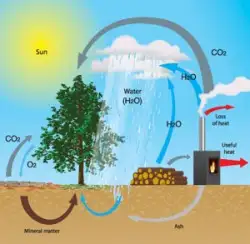
Biomass renewable energy converts organic feedstocks into electricity via gasification, biogas, and CHP systems, integrating with microgrids, power electronics, inverters, and grid-tied generators for reliable, low-carbon baseload and frequency support.
Applications of Biomass Renewable Energy in Modern Power Systems
Biomass Renewable Energy is an important source of energy for majority of the world’s population. The use of biomass renewable energy is expected to increase in the near future, with growth in population. In many under developed nations (most especially areas such as parts of Africa, conventional biomass renewable energy dominates national energy strategies, leading to negative impacts on human health and the environment. There are, however, opportunities for developing improved and modern biomass energy technologies, which offer substantial benefits in terms of enhanced quality of energy services and reduction in negative health and environmental impacts. For a concise overview of feedstocks, conversion technologies, and benefits, see this biomass energy overview to understand core concepts.
In addition, the sustainable harvesting of biomass renewable energy resources is essential for ensuring the continued availability of this important energy source particularly for the world’s poor.
Sustainable harvesting practices also align with broader categories of renewable energy sources that emphasize resource regeneration.
Biomass renewable energy plays a vital role in meeting local energy demand in many regions of the developing world. Biomass is a primary source of electrical energy for about two billion people in developing countries. Therefore, it's available to the world’s impoverished nations while providing a suitable energy for cooking and heating. Also, biomass energy-based industries are a chief source of economic development in terms of job creation in rural areas. Modern biomass renewable energy technologies are being widely used in many developing countries as well as in certain parts of the developed world. With proper energy management strategies, supported by appropriate environmental practices, modern biomass renewable energy projects can be a sustainable source of electric power production as well as providing liquid and gaseous fuels. Biomass is therefore not only a central alternative energy source but is probably an important future sustainable energy source. These outcomes contribute to the goals of clean renewable energy that balance access, affordability, and environmental performance.
Growing interest in biomass renewable energy is driven by the following facts among others:
- It can contribute to lessening poverty in developing countries;
- Biomass renewable energy meets power needs without expensive conversion equipment;
- It can deliver biomass renewable energy in all forms that countries need for electricity and heating (in all forms of liquid and gaseous fuels)
- It is carbon dioxide-neutral because as much biomass can be grown as burned
- Biomass renewable energy helps to restore unproductive and degraded lands.
For definitions, policy basics, and key technologies, this guide to renewable energy offers helpful background.
Available statistics indicate that the share of biomass renewable energy in the global energy consumption has remained roughly the same over the last 30 years. Biomass renewable energy accounted for an estimated 14% and 11% of the world’s final energy consumption in 2000 and 2001 respectively (IEA, 1998 and IEA, 2003). The International Energy Agency (IEA) estimates that at global level, the share of biomass in total final energy consumption is comparable to that of electricity (15%) and gas (16%). These figures parallel developments in renewable electricity that are influencing investment and grid planning.
Modern biomass renewable energy technologies have the potential to provide improved energy services based on available biomass resources and agricultural residues19. Widespread use of combined heat and power generation biomass renewable energy options in rural areas can address multiple social, economic and environmental issues that now constrain local development. The availability of low cost biomass power in rural areas could help provide cleaner, more efficient energy services to support local development, promote environmental protection, provide better domestic fuel sources and improve rural life. Bioenergy technologies based on sustainable biomass supply are considered "carbon neutral" and may lead to net carbon dioxide emission reduction if used to replace fossil fuels. For comparative emissions data and lifecycle insights, consult this overview on renewable energy facts to understand trade-offs.
In addition, modern biomass renewable energy technologies can contribute to better bio-waste management. For example, land-fill gas can assist urban waste management, while bagasse-based co-generation reduces the problem of safe disposal of bagasse at sugar plantations. Another advantage of modern biomass renewable energy is its job generation potential – a very important attraction for many developing countries faced with chronic levels of unemployment or under-employment. Existing studies indicate that, in comparison to other primary energy sources, the job generation potential of modern biomass is among the highest. For example, in Brazil, the annual production of 14 billion litres of ethanol from sugarcane is responsible for the creation of 462,000 direct and 1,386,000 indirect jobs in the country, corresponding to a rate of 263,000 annual jobs per MTOE generated. Collectively, these pathways situate biomass within broader renewable alternative energy strategies that enhance resilience and jobs.


_1497100159.webp)


