An Acceptable Charging Circuit Voltage on a 12-volt Battery System
Power Quality Training - Harmonic Analysis, Diagnostics, Mitigation
Our customized live online or in‑person group training can be delivered to your staff at your location.

- Live Online
- 12 hours Instructor-led
- Group Training Available
Download Our OSHA 4475 Fact Sheet – Being Aware of Arc Flash Hazards
- Identify root causes of arc flash incidents and contributing conditions
- Apply prevention strategies including LOTO, PPE, and testing protocols
- Understand OSHA requirements for training and equipment maintenance
An Acceptable Charging Circuit Voltage On refers to safe alternator output for 12V/24V systems, ensuring battery health, regulator accuracy, minimal ripple, correct float voltage, and reliable performance under varying loads and temperatures.
The Importance of an Acceptable Charging Circuit Voltage in Electrical Safety
An acceptable charging circuit voltage on a 12-volt battery system is crucial for maintaining the health and performance. Keeping the charging system voltage within the proper range ensures that the battery remains adequately charged, the vehicle’s electrical components function properly, and the system operates efficiently. It’s essential for vehicle owners and technicians to recognize what makes a charging circuit work effectively, the risks associated with improper voltage levels, and how to measure and maintain it for long-term battery life. Understanding these principles aligns with foundational concepts of what is power quality in automotive electrical systems.
What is an acceptable charging circuit voltage for a 12-volt battery system?
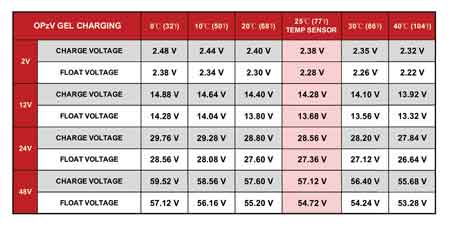
An acceptable range for a 12-volt system is typically between 13.5 and 15 volts. This ensures that the battery stays adequately charged while the vehicle is running. The charging components, including the ac generator and the voltage regulator, help maintain this range. Staying within this range prevents any adverse effects on the battery or other systems in the vehicle. Real-world readings can be affected by voltage dropping across connections and loads.
Why is it important to maintain an acceptable charging circuit voltage?
Maintaining the proper charging circuit values is vital for the overall health of the battery and the vehicle. If the system delivers too much power, it can cause overcharging, generating excess heat that damages the battery. On the other hand, if the levels fall below the required threshold, undercharging occurs, leading to reduced power availability. Ensuring the system stays within acceptable parameters helps prevent these issues and extends the battery's lifespan. Stable charging contributes to overall quality of electricity delivered to sensitive onboard electronics.
Test Your Knowledge About Power Quality!
Think you know Power Quality? Take our quick, interactive quiz and test your knowledge in minutes.
- Instantly see your results and score
- Identify strengths and areas for improvement
- Challenge yourself on real-world electrical topics
What happens if the charging circuit voltage is too high or too low?
If the system delivers power exceeding 15 volts, it can cause the battery to overheat and sustain permanent damage. This can lead to early failure and potential safety hazards. Conversely, if the levels fall below 13.5 volts, the battery may not charge adequately, reducing its efficiency and the power available for the vehicle’s systems. In both cases, proper management of the charging process is critical to avoid damage. Overvoltage also risks exceeding a component’s capacitor voltage rating in control modules, leading to premature failure.
How do I check the charging circuit voltage?
To check the system's performance, a multimeter can be used to measure the values. Attach the multimeter to the battery terminals while the engine is running. A healthy system should show values between 13.5 and 15 volts. If the readings are outside this range, it may indicate an issue with the charging components, such as the voltage regulator, which should be addressed immediately. Accurate measurement practices depend on proper grounding and bonding of the vehicle’s electrical system to minimize noise.
What components regulate the charging circuit voltage?
The ac generator and voltage regulator are the main components responsible for managing the charging process. The ac generator produces the necessary power for the vehicle, while the regulator ensures that the levels remain within the required range. Both components work together to ensure the battery stays charged without exceeding safe limits. The regulator’s control strategy is conceptually similar to managing a linear power transformer under varying loads, maintaining stable output.
An acceptable range is essential for maintaining battery health and ensuring the vehicle's electrical systems perform optimally. By understanding how to measure and monitor the system, you can prevent both overcharging and undercharging, ultimately extending the life of the battery and ensuring smooth operation. When diagnosing anomalies, understanding how short-circuit calculations vary with power factor and voltage can inform safe testing and repair decisions.