Alternative Energy Sources – Clean Electric Power Options

Alternative Energy Sources - Environmental Choices

Alternative energy sources encompass solar PV, wind, hydroelectric, and geothermal generation, leveraging power electronics, inverters, HVDC, storage, and smart grid integration to deliver efficient, low-carbon electricity and resilient microgrids and stable operation.


Applications of Alternative Energy Sources in Modern Power Systems

Are there other alternative energy sources besides renewables? There are other alternative energy sources that are used instead of conventional energy sources, such as oil and coal, that produce (or hardly produce) greenhouse gas emissions (GHG) that are harmful for the environment. For a broader definition of the term, see this overview at what is alternative energy to understand key concepts.


Alternative Energy Sources – Nuclear Energy

Nuclear energy is one of the few alternative energy sources that can generate a lot of electricity from very little fuel, which makes it a very abundant energy source. Nuclear energy is generated when atoms are either split (fission) or merged (fusion) to create energy from the reaction. It’s a clean energy because, unlike coal or oil, nuclear energy doesn’t introduce harmful gases, such as carbon dioxide, into the environment. However, nuclear energy becomes harmful during the production stage. The leftover waste is highly radioactive (unstable continuously decaying elements with high-energy particles or rays that penetrate and damage anything that it touches), which makes it hard to contain. Nuclear waste has to be stored in a secure location until alternative containing options are determined. Nuclear energy is used to generate electricity, launch space ships, and to power weapons. Comparative context across non-fossil options is outlined in forms of alternative energy for additional perspective.

For contrast with resources that naturally replenish, explore renewable energy sources to see how they differ in fuel cycles and emissions profiles.


Alternative Energy Sources – Natural Gas

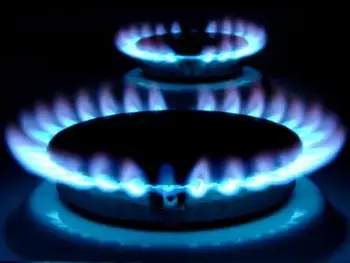
Natural gas is considered a nonrenewable fossil fuel, but it’s considered clean because it doesn’t produce the greenhouse gas, carbon dioxide. Natural gas’s main ingredient is methane, with all other core elements filtered through an extensive filtering process. Advantages of natural gas include its global abundance, low cost and ease of use (natural gas plants can come online very quickly). However, isolating methane is quite a complex process, which makes it a disadvantage. And, even though natural gas doesn’t introduce carbons into the air, it still produces greenhouse gases. Natural gas can also be used to make electricity. Energy industry experts believe that natural gas will have a bigger role in electricity production as future demand for electricity increases. Within the broader mix of alternative energy fuels, natural gas is often positioned as a transitional option.

Grid planners evaluate flexible generation, storage, and demand-side measures among various alternative energy solutions to integrate resources efficiently.


Alternative Energy Sources – Hydrogen Fuel

Hydrogen hasn’t become a money-making venture, unlike other alternative energy sources, because the energy return on hydrogen isn’t very high. In other words, more energy is needed during the manufacturing process than the amount of hydrogen that is actually produced. At this point, hydrogen has proven to be an environment-friendly fuel source for vehicles. Hydrogen fuel is used mostly in batteries, by combining oxygen and hydrogen to produce power. The only waste factor is water vapor, which is a lot friendlier than the greenhouse gas, carbon dioxide. Ultimately, advancements in technology are required in hydrogen production in order for this form of alternative energy to become profitable. Renewable electricity from sources such as solar power can drive electrolysis to lower hydrogen's lifecycle emissions.

For a strategic view of how renewables complement low-carbon options, review renewable alternative energy to understand deployment pathways and tradeoffs.




Related Articles

Related News

Alternative Energy Tax Credits - Green Energy Cost Savings

Alternative energy tax credits reduce CAPEX for solar PV, wind turbines, battery storage, EV charging, and high-efficiency HVAC, with IRS incentives, rebates, and depreciation accelerating power electronics upgrades and grid integration for clean energy projects.   A Practical Guide to Alternative Energy Tax Credits How can I earn money using alternative energy? New financial incentives are available to homeowners and businesses for a number of alternative energy and energy efficiency measures. For a broader overview of current programs, see the resource at alternative energy incentives which summarizes eligibility and timelines.Alternative energy tax credits for residential and commercial photovoltaics, solar water heating…
View more

Alternative Energy Systems - Green Energy Power Conversion

Alternative energy systems integrate solar PV, wind turbines, battery storage, and smart grids using power electronics, inverters, and microgrids to optimize reliability, grid integration, load management, and decarbonization in modern electrical engineering.   Alternative Energy Systems: Real-World Examples and Uses Alternative energy systems - What are solar power systems?Solar electric technology, an adequate alternative energy system, takes sunlight and coverts it into electricity directly. The technology works best when the sun is at its peak, at which time it strikes the solar electric modules directly. Solar electric technology does not use the sun's heat to make electricity, but there are…
View more

Alternative Energy Sources – Clean Electric Power Options

Alternative energy sources encompass solar PV, wind, hydroelectric, and geothermal generation, leveraging power electronics, inverters, HVDC, storage, and smart grid integration to deliver efficient, low-carbon electricity and resilient microgrids and stable operation.   Applications of Alternative Energy Sources in Modern Power Systems Are there other alternative energy sources besides renewables? There are other alternative energy sources that are used instead of conventional energy sources, such as oil and coal, that produce (or hardly produce) greenhouse gas emissions (GHG) that are harmful for the environment. For a broader definition of the term, see this overview at what is alternative energy to understand…
View more

Alternative Energy Development - Green Energy Initiatives

Alternative energy development integrates renewable generation, photovoltaics, wind turbines, battery storage, power electronics, and HVDC to optimize grid integration, smart inverters, and microgrids for resilient, efficient electrical systems and decarbonized power networks.   Understanding Alternative Energy Development: Principles and Applications Alternative energy developments represent a transformational opportunity to not only attract new global investment and create new jobs, but to reduce the world's reliance on fossil fuels. And, the future looks bright because experts predict that completed alternative energy developments will add 4.5 trillion dollars in value to the economy by 2030. For readers new to the field, the fundamentals of…
View more

What is Alternative Energy?

What is alternative energy? In electrical engineering, it denotes renewable power sources—solar PV, wind, hydro, geothermal—and enabling systems like power electronics, inverters, storage, microgrids, and grid integration to decarbonize electricity.   What Is Alternative Energy? What is Alternative Energy? Alternative energy is power that comes from sources which are not going to run out, do not pollute as much as fossil fuels (oil, coal, natural gas), or do not create leftover materials that are harmful to people and the environment. The term, "alternative," in a sense, is meant to contrast environment friendly energy against forms of energy that hurt the environment…
View more

Renewable Alternative Energy Explained

Renewable alternative energy integrates solar PV, wind turbines, hydroelectric and biomass with power electronics, battery storage, smart grids, and grid-tied inverters to deliver sustainable electricity, demand response, and resilient microgrids.   Key Concepts of Renewable Alternative Energy What are renewable alternative energy sources? Renewable energy sources, such as solar energy and wind energy, are alternative energy supplies that are refilled by natural processes when they're used. The ultimate source of all renewable energy is the sun. Electricity can be obtained from the sun directly (such as solar heating systems) or indirectly (as in hydro electricity, wind power, and biomass fuels). Renewable…
View more

Sign Up for Electricity Forum’s Newsletter

Stay informed with our FREE Newsletter — get the latest news, breakthrough technologies, and expert insights, delivered straight to your inbox.

Electricity Today T&D Magazine Subscribe for FREE

Stay informed with the latest T&D policies and technologies.
  • Timely insights from industry experts
  • Practical solutions T&D engineers
  • Free access to every issue

Live Online & In-person Group Training

Advantages To Instructor-Led Training – Instructor-Led Course, Customized Training, Multiple Locations, Economical, CEU Credits, Course Discounts.

Request For Quotation

Whether you would prefer Live Online or In-Person instruction, our electrical training courses can be tailored to meet your company's specific requirements and delivered to your employees in one location or at various locations.