What is Tidal Energy? Explained
By William Conklin, Associate Editor
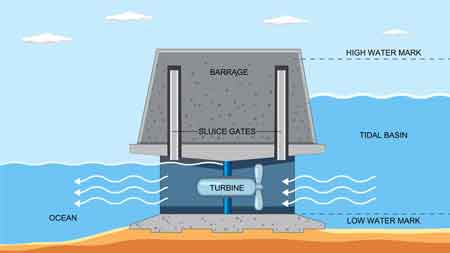
Tidal energy is a renewable power source that harnesses ocean tides through the use of turbines and barrages. Utilizing predictable tidal cycles, it supports clean electricity generation, reduces dependence on fossil fuels, and strengthens sustainable energy systems.
What is tidal energy?
It is a renewable power harnessed from the rise and fall of the ocean's tides. The ocean's vast power is one of the most promising resources, capable of generating electricity to meet the needs of communities worldwide. With the growing demand for clean, sustainable sources, tide-generated power has been thrust into the spotlight as an effective and environmentally friendly option. Understanding tidal power highlights how Renewable Power Generation technologies are diversifying to create a more sustainable grid.
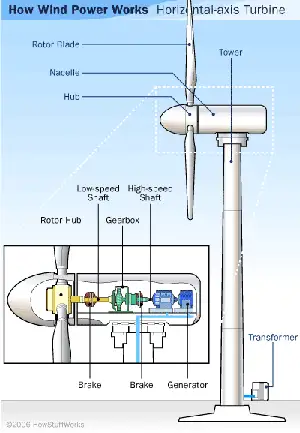
What is Tidal Energy? It is an ocean energy resource; tide-generated power is extracted from the natural ebb and flow of coastal tides. The key difference between tidal energy and other renewable sources, such as wind and solar power, lies in the predictability and reliability of the high tides. Additionally, the water in the ocean is approximately 800 times denser than air, making it a more concentrated and efficient power source compared to wind turbines. Governments worldwide are encouraging clean projects like tidal power through Renewable Energy Tax Credits, which lower the cost of adoption.
Tidal Barrage Systems for Renewable Power
Two primary methods of capturing tidal energy are tidal barrage and tidal stream generators. A tidal barrage is a large-scale engineering project that involves constructing a dam across a tidal estuary or bay. Then, as the water level changes during the high and low tidal barrage, water flows through turbines, generating electricity. The most notable tidal barrage projects include La Rance in France and the Sihwa Lake tide-generated Power Station in South Korea.
Tidal Stream Generators and Ocean Turbines
Tidal stream generators, on the other hand, utilize underwater turbines positioned in tidal streams to harness the kinetic energy of the moving water. Like wind turbines, tide-generated turbines rotate as water flows over their blades, converting it into electricity. This technology is less intrusive to the environment and marine life than tidal barrage systems.
Advantages of Tidal Energy for Clean Electricity
There are numerous advantages to utilizing it as a renewable source. First, tidal energy is predictable, making planning for power generation and grid integration easier. Additionally, tide-generated power is environmentally friendly, as it produces no greenhouse gas emissions or air pollution during operation. This makes it a desirable option for reducing dependence on fossil fuels and combating climate change.
Disadvantages and Challenges of Tidal Power
However, it also has its disadvantages. The initial cost of constructing large-scale tidal power plants, particularly large-scale tidal barrage projects, can be substantial. This kind of generation is also limited to specific coastal locations with sufficient range and appropriate topography. Furthermore, concerns exist about the potential impact on marine life and coastal ecosystems, although research is ongoing to develop more sustainable and less disruptive technologies.
Tidal Energy vs Wind and Solar Power
Regarding efficiency, it is competitive with other renewable power sources, such as wind and solar power. In addition, the density of water makes tidal power generation more efficient in terms of power output per unit of installed capacity. However, the technology's scalability and geographic limitations make it challenging to deploy tidal energy globally. Tide-generated systems complement other clean technologies featured in our articles on Biomass Renewable Energy and Clean Renewable Energy.
Environmental Impact of Tidal Power Plants
The environmental impact is generally considered to be low, with minimal greenhouse gas emissions, air pollution, or waste production. However, localized effects on marine ecosystems and sediment transport may occur, depending on the type and scale of the project. Therefore, it is crucial to perform thorough environmental assessments and monitoring to minimize the potential negative effects of tide-generated power installations. To see how tidal power contributes to decarbonization efforts, visit our Renewable Electricity and Renewable Power Sources guides.
Global Examples of Tidal Power Stations
The best locations for generating tidal energy are areas with a high tidal range, strong tidal currents, and suitable coastal topography. Some of the world's most promising sites include the Bay of Fundy in Canada, the Bristol Channel in the United Kingdom, and the northwest coast of Australia. In addition, countries such as France, South Korea, and the UK are already home to some of the largest tide-generated power stations and continue to invest in this renewable power technology. As part of global Renewable Energy Projects, tide-generated power installations provide reliable baseload power alongside solar and wind.
Future of Tidal Energy in Renewable Systems
What is Tidal Energy? Tidal energy is a promising renewable resource with significant potential for generating clean, sustainable electricity. While there are challenges to overcome, such as high initial costs and site-specific limitations, ongoing research and technological advancements aim to make tide-generated electricity a more accessible and environmentally friendly option for the future. For a deeper comparison beyond 'What is Tidal Energy,' explore our article on 'What is Distributed Generation?' which shows how local systems, such as tidal plants, strengthen energy resilience.
Related Articles