Ontario confronts reality of being short of electricity in the coming years
Protective Relay Training - Basic
Our customized live online or in‑person group training can be delivered to your staff at your location.
- Live Online
- 12 hours Instructor-led
- Group Training Available
Ontario electricity shortage is looming, RBC and IESO warn, as EV electrification surges, Pickering nuclear faces delays, and gas plants backstop expiring renewables, raising GHG emissions and grid reliability concerns across the province.
Key Highlights
A projected supply shortfall as demand rises from electrification, expiring contracts, and delayed nuclear capacity.
RBC warns shortages as early as 2026, significant by 2030
IESO sees EV-driven demand; 5,000-15,000 MW by 2035
Gas reliance boosts GHGs; Pickering life extension assessed
In a fit of ideological pique, Doug Ford’s government spent more than $200 million to scrap more than 700 green energy projects soon after winning the 2018 election, amid calls to make clean, affordable power a central issue, portraying them as “unnecessary and expensive energy schemes.”
A year later, then Associate Energy Minister Bill Walker defended the decision, declaring, “Ontario has an adequate supply of power right now.”
Well, life moves fast. At the time, scrapping the renewable energy projects was criticized as short-sighted and wasteful, raising doubts about whether Ontario was embracing clean power in a meaningful way. It seems especially so now as Ontario confronts the reality of being short of electricity in the coming years.
How short? A recent report by RBC calls the situation “urgent,” saying that Canada’s most populous province could face energy shortages as early as 2026. As contracts for non-hydro renewables and gas plants expire, the shortages could be “significant” by 2030, the bank report said, with grid greening costs adding to the challenge.
The Independent Electricity System Operator (IESO), which manages the electrical supply in Ontario, says demand for electricity could rise at rates not seen in many years, as the government moves to add new gas plants to boost capacity. “Economic growth coming out of the pandemic, along with electrification in many sectors, is driving energy use up,” the agency said in a December assessment.
The good news is that demand is being driven, in part, by the transition to “green” power – carbon-emission-free electricity – by sectors such as transportation and manufacturing. That will help reduce emissions. Yet meeting that demand presents some challenges, prompting the province to outline a plan to address growing needs across the system. The shift to electric vehicles alone is expected to cause a spike in demand starting in 2030. By 2035, the province could need an additional 5,000 to 15,000 megawatts of electricity, the IESO estimates.
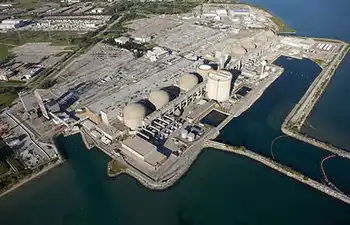
It was perhaps no surprise then to see the province announce last week that it wants to delay the long-planned closing of the Pickering nuclear plant by a year to 2026, even as others note the station is slated to close as planned. Operations beyond that would require refurbishing the facility. The province said it’s taking a fresh look at whether that would make sense to extend its life by another 30 years.
In the interim, the province will be forced to dramatically ramp up its reliance on natural gas plants for electricity generation – and, as analysts warn, Ontario’s power mix could get dirtier even before new non-emitting capacity is built, and in the process, increase greenhouse gas emissions from the energy grid by 400 per cent. Broader electrification is expected to produce “significant” GHG emissions reductions in Ontario over the next two decades, according to the IESO. Still, it’s working at cross-purposes if your electric car is charged by electricity generated by fossil fuels.