China aims to reduce coal power production
Substation Relay Protection Training
Our customized live online or in‑person group training can be delivered to your staff at your location.
- Live Online
- 12 hours Instructor-led
- Group Training Available
China Coal-Fired Power Consolidation targets capacity cuts through mergers, SASAC-led restructuring, debt reduction, asset optimization, and retiring inefficient plants across state-owned utilities to improve efficiency, stabilize liabilities, and align with energy transition policies.
Key Information
A SASAC-driven plan merging utility assets to cut coal capacity, reduce debt, and retire outdated, loss-making plants.
SASAC to merge assets across five central state-owned utilities.
Target: retire 25-33% coal capacity, cut losses by over 50%.
Focus starts in debt-heavy regions: Gansu, Shaanxi, Xinjiang, Qinghai, Ningxia.
Utilities hold 520 GW coal capacity with 1.1 trillion yuan liabilities.
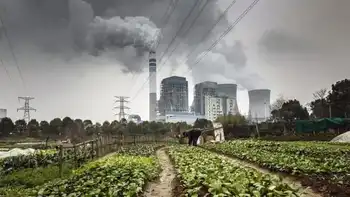
China plans to slash coal-fired power capacity at its five biggest utilities by as much as a third in two years by merging their assets, amid broader power-sector strains that reverberate globally, according to a document seen by Reuters and four sources with knowledge of the matter.
The move to shed older and less-efficient capacity is being driven by pressure to cut heavy debt levels at the utilities. China, is, however, building more coal-fired power plants and approving dozens of new mines to bolster a slowing economy, even as recent power cuts highlight grid imbalances.
The five utilities, which are controlled by the central government, accounted for around 44% of China’s total coal-fired power capacity at the end of 2018, a share likely to be tested by rising electrification goals, with electricity to meet 60% by 2060 according to industry forecasts.
“(The utilities) will strive to reduce coal-fired power capacity by one quarter to one third ...cutting total losses by more than 50% from the current level to achieve a significant decline in debt-to-asset ratios by the end of 2021,” the document said.
The plan, initiated and overseen by the State-owned Assets Supervision and Administration Commission of the State Council (SASAC), follows heavy losses at some of the utilities, amid a pandemic-era demand drop that hit industrial consumption.
Some of their coal-fired power stations have filed for bankruptcy in recent years as Beijing promotes the use of renewable energy and advances its nuclear program while opening up the state-controlled power market.
The SASAC did not immediately respond to a fax seeking comment and the sources declined to be identified as they were not authorised to speak to the media.
The utilities - China Huaneng Group Co, China Datang Corp, China Huadian Corp, State Power Investment Corp and China Energy Group - did not respond to faxes requesting comment.
Together, they had 474 coal-fired power plants with combined power generation capacity of 520 gigawatts (GW) at the end of last year.
Their coal-fired power assets came to 1.5 trillion yuan ($213 billion) while total coal-fired power liabilities were 1.1 trillion yuan, the document said.
The document was seen by two people at two of the utilities and was also verified by a source at SASAC and a government researcher.
It was not clear when the document was published but it said the merging and elimination of outdated capacity would start from 2019 and be achieved within three years, aiming to improve the efficiency and operations at the companies, reflecting a broader electricity sector mystery that policymakers are trying to resolve.
Utilities with debt-ridden operations in the northwestern regions of Gansu, Shaanxi, Xinjiang, Qinghai and Ningxia would be the first to carry out the plan, it said, even as India ration coal supplies during demand surges.
The government researcher said the SASAC has been researching possible consolidation in the coal-fired power sector since 2017, but added: “It’s easier said than done.”
“No one is willing to hand in their high quality assets and there is no point in merging the bad assets,” the government researcher said.