U.S. Senate Looks to Modernize Renewable Energy on Public Land
CSA Z462 Arc Flash Training – Electrical Safety Compliance Course
Our customized live online or in‑person group training can be delivered to your staff at your location.

- Live Online
- 6 hours Instructor-led
- Group Training Available
PLREDA 2019 advances solar, wind, and geothermal on public lands, guiding DOI siting, improving transmission access, streamlining permitting, sharing revenues, and funding conservation to meet climate goals while protecting wildlife and recreation.
Inside the Issue
A bipartisan bill to expand renewables on public lands fund conservation, speed permitting and advance U.S. climate aims.
Permits 25 GW of renewables on public lands by 2025
Creates a fish and wildlife conservation fund
Uses 2012 Western Solar Plan to guide low conflict siting
Streamlines permitting and allows lower rents and capacity fees
Shares revenues to support local communities and agency staffing
The Senate unveiled its version of a bill the House introduced in July to help the U.S. realize the extraordinary renewable energy potential of our shared public lands.
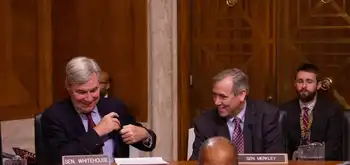
Senator Martha McSally (R-AZ) and a bipartisan coalition of western Senators introduced a Senate version of draft legislation that will help the Department of the Interior tap the renewable energy potential of our shared public lands. The western Senators represent Arizona, New Mexico, Colorado, Montana, and Idaho.
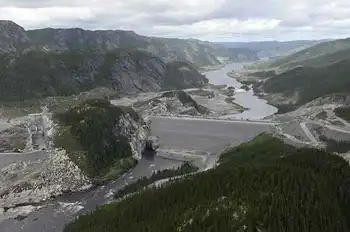
Elsewhere in the West, lawmakers have moved to modernize Oregon hydropower to streamline licensing, signaling broad regional momentum.
The Public Land Renewable Energy Development Act of 2019 (PLREDA) facilitates siting of solar, wind, and geothermal energy projects on public lands, boosts funding for conservation, and promotes ambitious renewable energy targets that will help the U.S. take action on the climate crisis.
Like the House version, the Senate bill enjoys strong bi-partisan support and industry endorsement. The Senate version makes few notable changes to the bill introduced in July by Representatives Mike Levin (D-CA) and Paul Gosar (R-AZ). It includes:
- A commitment to enhance natural resource conservation and stewardship via the establishment of a fish and wildlife conservation fund that would support conservation and restoration work and other important stewardship activities.
- An ambitious renewable energy production goal for the Department of the Interior to permit a total of 25 gigawatts of renewable energy on public lands by 2025—nearly double the current generating capacity of projects currently on our public lands.
- Establishment of criteria for identifying appropriate areas for renewable energy development using the 2012 Western Solar Plan as a model. Key criteria to be considered include access to transmission lines and likelihood of avoiding or minimizing conflict with wildlife habitat, cultural resources, and other resources and values.
- Improved public access to Federal lands for recreational uses via funds made available for preserving and improving access, including enhancing public access to places that are currently inaccessible or restricted.
- Sharing of revenues raised from renewable energy development on public lands in an equitable manner that benefits local communities near new renewable energy projects and supports the efficient administration of permitting requirements.
- Creating incentives for renewable energy development by giving Interior the authority to reduce rental rates and capacity fees to ensure new renewable energy development remains competitive in the marketplace.
NRDC strongly supports this legislation, and we will do our utmost to facilitate its passage into law. There is no question that in our era of runaway climate change, legislation that balances energy production with environmental conservation and stewardship of our public lands is critical.
PLREDA takes a balanced approach to using our public lands to help lead the U.S. toward a low-carbon future, as states pursue 100% renewable electricity goals nationwide. The bill outlines a commonsense approach for federal agencies to play a meaningful role in combatting climate change.