Ontario government wants new gas plants to boost electricity production
High Voltage Maintenance Training Online
Our customized live online or in‑person group training can be delivered to your staff at your location.

- Live Online
- 12 hours Instructor-led
- Group Training Available
Ontario Gas Plant Expansion aims to boost grid reliability as nuclear refurbishments proceed, using natural gas to meet electricity demand, despite critics urging renewables, energy storage, and efficiency to reduce carbon emissions, protecting investment growth.
In This Story
Ontario plan to expand gas plants for reliability during nuclear outages, sparking debate on emissions and clean options.
Province solicits bids for new or expanded gas-fired generation
Rationale: cover demand, nuclear outages during refurbishments
Critics warn higher CO2 intensity could deter clean-tech investment
Alternatives: storage, wind, solar, efficiency and conservation
The Ontario government is preparing to expand gas-fired power plants in Ontario; a move critics say will make the province's electricity system dirtier and could eventually leave taxpayers on the hook.
The province is currently soliciting bids for additional gas-fired electricity generation, which means new gas plants get built, or existing gas plants get expanded.
It's poised to be Ontario's biggest increase in the gas-fired power supply in more than a decade since the previous Liberal government scrapped two gas plants, in Mississauga and Oakville, at a cost the auditor general pegged at around $1 billion.
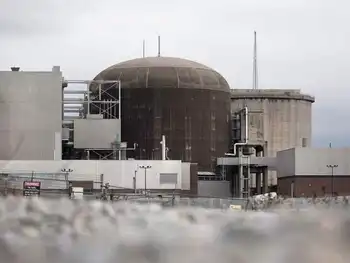
Doug Ford's energy minister, Todd Smith, says Ontario needs gas plants now to help meet an expected surge in demand for electricity as the province faces a supply shortfall in the coming years and to provide power while some units of the province's nuclear stations are down for refurbishment.
"It's really important to have natural gas as an insurance policy to keep the lights on and provide the reliability that we need," Smith said in an interview.
"We need natural gas for the short term, especially to get us through these refurbishments."
The portion of Ontario's electricity supply that comes from natural gas matters for the environment and the province's economy. Manufacturing companies increasingly seek clean power that emits as little carbon dioxide as possible.
The portion of Ontario's electricity supply that comes from natural gas matters for the environment and the province's economy. Manufacturing companies increasingly seek a power supply that emits as little carbon dioxide as possible.
Increasing the amount of gas-fired generation in the electricity system puts Ontario's ability to attract such investments at risk as it complicates balancing demand and emissions across the grid, says Evan Pivnick, program manager with Clean Energy Canada, a think tank.
"Building new natural gas (power plants) in Ontario today should be seen as an absolute last resort for meeting our energy needs," said Pivnick in an interview.
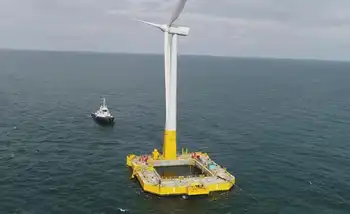
Ontario's electricity system has among the lowest rates of CO2 emissions in North America, with roughly half of the annual supply provided by nuclear power, one-quarter from hydro dams, and one-tenth from wind turbines.
However, Ontario's gas plants have produced a growing amount of electricity in recent years, despite an early report exploring a gas halt by the minister, and that trend will continue if new gas plants are built.
In 2017, gas- and oil-fired generation provided just four percent of Ontario's electricity supply, according to figures from the provincial agency that manages the grid, the Independent Electricity System Operator (IESO).
By 2022, that figure reached 10.4 percent.
Ontario doesn't need new gas plants to meet the electricity demand, says Bryan Purcell, vice president of policy and programs at The Atmospheric Fund. This agency invests in low-carbon projects in the Greater Toronto and Hamilton Area.
"We're quite concerned about where Ontario's electric grid is going," said Purcell. "Thankfully, there's still time to adjust course and look at other options."
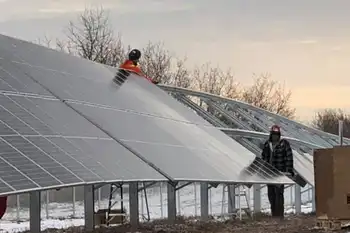
According to Purcell and Pivnick, those options to avoid gas could include power storage (in which excess generated energy is stored for later use when electricity demand rises), wind and solar projects, or energy efficiency and conservation programs.