Ground Grid Testing of Substation Cost Sheet
By R.W. Hurst, Editor
Substation Maintenance Training
Our customized live online or in‑person group training can be delivered to your staff at your location.
- Live Online
- 12 hours Instructor-led
- Group Training Available
Download Our OSHA 4475 Fact Sheet – Being Aware of Arc Flash Hazards
- Identify root causes of arc flash incidents and contributing conditions
- Apply prevention strategies including LOTO, PPE, and testing protocols
- Understand OSHA requirements for training and equipment maintenance
Ground grid testing of the substation cost sheet helps utilities estimate testing budgets for grounding resistance, soil resistivity, and compliance with step and touch voltage requirements. It supports safer substations, informed planning, and alignment with IEEE grounding standards.
Key Concepts: Ground Grid Testing of Substation Cost Sheet
A dependable substation grounding system is one of the most important safety controls in a power facility. When a fault occurs, the ground grid must safely disperse high current into the earth without exposing personnel or equipment to dangerous voltage gradients. If the grounding system underperforms, step and touch voltages can quickly exceed safe limits.
Ground grid testing verifies that the installed grounding network performs as designed under real operating conditions. This article explains how testing is performed, what drives project costs, and how utilities and engineers can plan budgets realistically while maintaining compliance with established grounding standards.
Electrical Transformer Maintenance Training
Substation Maintenance Training
Request a Free Training Quotation
Introduction to Ground Grid Testing
Introduction to Ground Grid Testing
Ground grid testing is performed to confirm that a substation’s grounding system can control surface voltages during fault events. Rather than relying solely on design calculations, field testing validates actual soil behavior, conductor continuity, and current dissipation paths.
IEEE standards primarily define industry guidance. IEEE Std 80 establishes acceptable safety limits for step and touch voltages, while IEEE Std 81 outlines proper field procedures for soil resistivity and ground impedance testing. Together, these standards form the technical foundation for evaluating substation grounding performance.
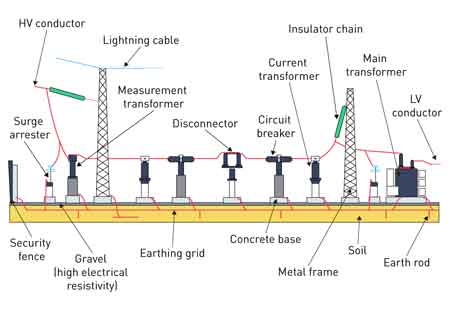
For readers who want broader system context, see our overview of what is an electrical substation.
Ground Grid Testing of Substation Cost Sheet – Example Table
| Substation Size | Testing Methods | Estimated Cost Range | Notes |
|---|---|---|---|
| Small | Soil Resistivity + Continuity Testing | $5,000 – $10,000 | Suitable for compact substations or remote sites with simple layouts. |
| Medium | Current Injection + Ground Integrity Testing | $10,000 – $20,000 | Ideal for suburban substations with moderate fault current exposure. |
| Large | Comprehensive (CIT, Soil, Continuity) | $20,000 – $40,000 | Best for high-voltage substations needing full compliance verification. |
Detailed Cost Breakdown
A practical cost sheet for ground grid testing reflects more than a single test method. It combines labor, equipment, mobilization, and reporting costs into a realistic project estimate. Understanding how these elements interact allows planners to choose testing methods that balance safety requirements with budget constraints.
Electricity Today T&D Magazine Subscribe for FREE

- Timely insights from industry experts
- Practical solutions T&D engineers
- Free access to every issue
Well-planned testing programs often reduce long-term costs by identifying grounding weaknesses early, before they escalate into compliance failures or retrofit projects.
Substations with digital relays or automated systems benefit most from comprehensive analysis, especially during substation automation projects.
Assessment Methods
Testing methods are selected based on substation size, layout, soil conditions, and regulatory expectations.
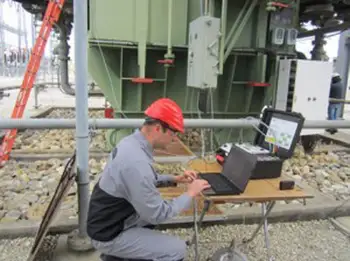
Current injection testing applies controlled current to simulate fault conditions and measure ground potential rise, step voltage, and touch voltage. Soil resistivity testing evaluates how effectively the surrounding soil dissipates current, which is critical for validating ground grid design assumptions. Continuity testing confirms that buried conductors, ground rods, and bonding connections remain electrically intact.
Substations with digital protection schemes or automated controls often require more comprehensive testing to ensure grounding performance matches system sensitivity.
Equipment Costs
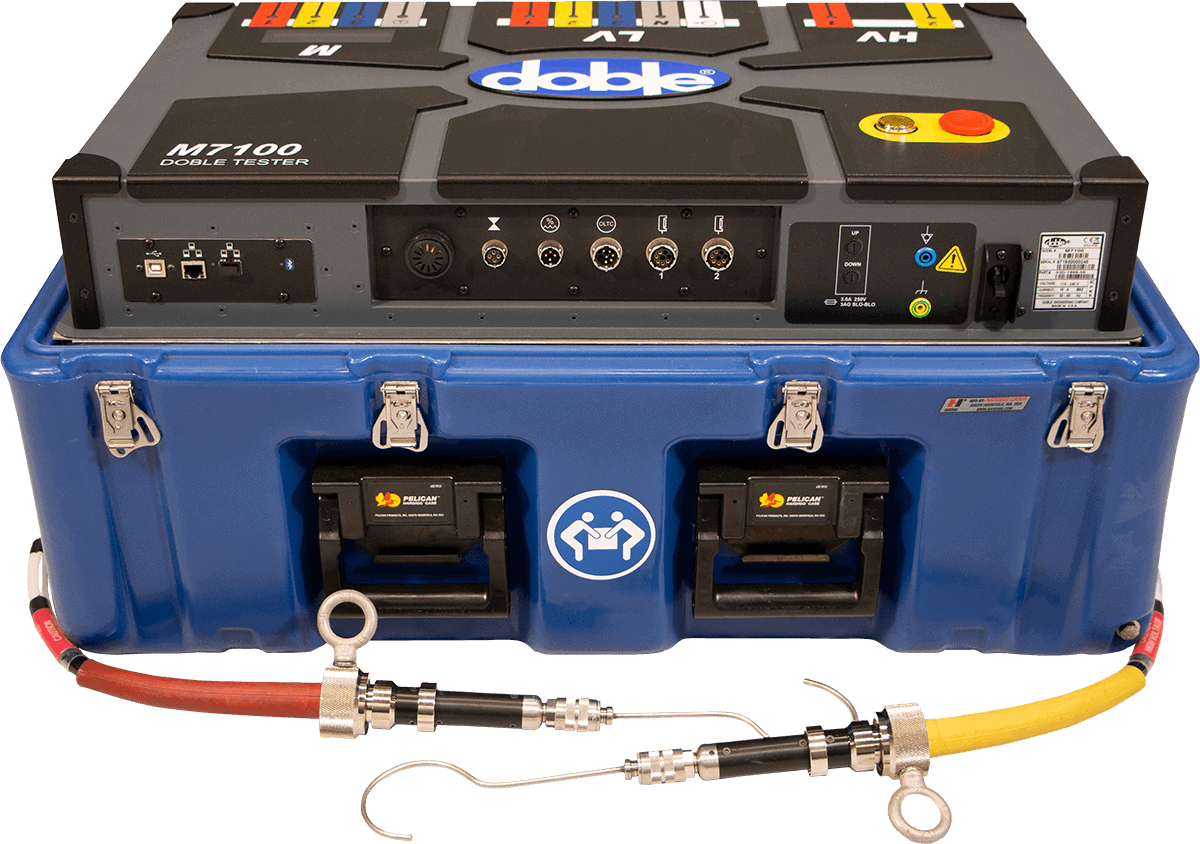
Ground grid testing requires specialized instruments designed for high-current and low-resistance measurements. Organizations that perform frequent testing may invest in dedicated ground testers, while others rely on rental equipment for periodic projects.
High-end ground-testing systems can cost five figures or more, making rental a practical option for utilities that test infrequently or contract testing services externally.
Labor Costs
Labor is typically the largest cost component in a ground grid testing project. Rates vary based on technician qualifications, regional labor markets, and project complexity. Smaller substations may be tested in a single day, while large or aging facilities often require extended testing and verification.
Sites with incomplete grounding documentation or legacy modifications usually demand additional time for investigation and validation.
For substations with aging infrastructure or inadequate documentation, refer to our resource on electrical substation maintenance.


Miscellaneous Costs
Additional costs often include travel, equipment transport, site preparation, and post-test analysis. Reporting and compliance documentation can add meaningful expense, especially when detailed modeling or regulatory submissions are required. Travel and Logistics: Includes mobilizing test personnel and shipping equipment, especially when working on tie substations or remote sites.
Sample Cost Sheets
For a breakdown of equipment typically included in these estimates, visit our guide on electrical substation components.
MISO Transmission Cost Estimate Guide
The MISO Transmission Cost Estimation Guide is a widely referenced planning resource for estimating transmission and substation project costs, including ground grid testing. Developed by the Midcontinent Independent System Operator, the guide provides standardized cost assumptions for labor, equipment, and project execution.
By aligning estimates with regional benchmarks, utilities can improve transparency, consistency, and regulatory defensibility when budgeting for grounding assessments and substation upgrades.
Factors Influencing a Ground Grid Testing of the Substation Cost Sheet
Several external factors can significantly influence total project cost. Soil resistivity variations may require expanded grounding systems or deeper electrodes. Older substations often need more extensive testing due to undocumented changes or conductor degradation. Regulatory expectations also vary by location, particularly for substations serving critical infrastructure. Understanding these drivers helps prevent underestimating scope and cost.
Utilities in urban or industrial zones often face more rigorous inspection criteria, particularly for substation ground systems serving critical infrastructure or prone to substation explosions.
Whether evaluating a new installation or maintaining an existing facility, a well-prepared ground grid testing cost sheet supports safer operations and more accurate budgeting. By understanding testing methods, labor requirements, and site conditions, utilities can plan grounding assessments that protect people, equipment, and long-term system reliability.
If you’re looking for technical training or planning support, explore our electrical substation training programs or consult with our substation maintenance training team.
Test Your Knowledge About Electrical Substations!
Think you know Electrical Substations? Take our quick, interactive quiz and test your knowledge in minutes.
- Instantly see your results and score
- Identify strengths and areas for improvement
- Challenge yourself on real-world electrical topics