What is Distributed Generation? Explained
By Harold WIlliams, Associate Editor
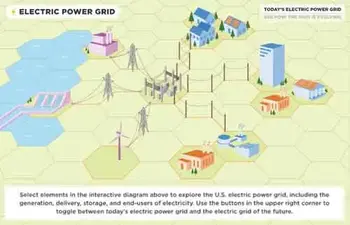
Distributed generation is the local production of electricity using solar, wind, CHP, fuel cells, and energy storage near the point of use, reducing transmission losses and improving grid resilience.
Distributed generation describes a practical shift in how electricity is produced and delivered. Instead of relying solely on large, remote power plants, electricity is generated closer to where it is actually used. This approach reflects how modern energy systems are evolving in response to efficiency goals, reliability concerns, and the growing role of renewable energy.
Distributed Generation Overview
At its core, distributed generation (DG) focuses on smaller, localized sources of electricity that operate alongside or in coordination with the traditional grid. These systems may rely on renewable resources, conventional fuels, or a combination of both, depending on the application. Because power is generated near homes, businesses, or industrial facilities, less energy is lost when electricity is transmitted over long distances. The result is a system that is often more efficient, more flexible, and better able to adapt to changing demand.
Distributed generation dg is reshaping energy generation by enabling distributed generation systems that produce electricity closer to where it is used, supporting local energy goals and improving overall efficiency. By combining resources such as solar panels with electricity and combined heat and power systems, these approaches reduce transmission losses and make better use of fuel that would otherwise be wasted. As a result, energy generation becomes more flexible and resilient, allowing homes, businesses, and industrial facilities to rely on local energy sources rather than depending entirely on large, centralized power plants.
How Distributed Generation Works
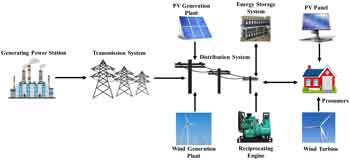
Distributed generation operates through equipment installed on-site or nearby. Unlike centralized plants that send electricity across wide transmission networks, these systems serve local loads directly. Some are connected to the utility grid and export excess electricity when available. Others function within microgrids that can operate independently during outages.
Energy storage has become an important part of this model. Batteries allow electricity produced during low-demand periods to be saved and used later, helping balance supply and demand. Together, generation and storage give operators greater control over how and when electricity is delivered.
Common Distributed generation technologies include:
-
Solar photovoltaic systems are installed on rooftops, parking structures, and community facilities.
-
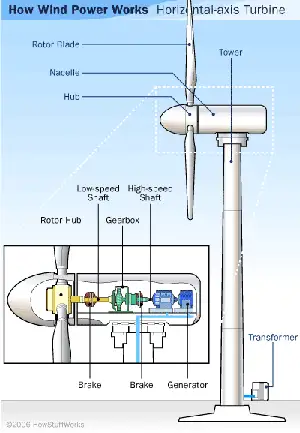
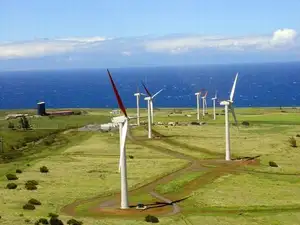
Small and community-scale wind turbines that supply nearby users.
-
Fuel cells that provide steady, low-emission electricity for critical loads.
-
Combined heat and power systems that reuse waste heat to raise overall efficiency.
-
Microgrids that coordinate multiple resources and can isolate from the grid when needed.
-
Battery energy storage systems that support backup power and peak demand control.
Benefits of Distributed Generation
The appeal of distributed generation extends beyond producing electricity. Locating generation near demand reduces transmission losses and eases grid congestion. It also supports the integration of renewable energy by allowing smaller, modular systems to be added over time rather than relying on large single projects.
Distributed generation can also improve reliability. When power sources are spread across many locations, failures at one site are less likely to cause widespread outages. For remote or underserved communities, local generation can provide a dependable alternative to long transmission lines or a diesel-only supply. The broader context of DG adoption is closely tied to grid modernization, which addresses how legacy infrastructure evolves to support renewables, storage, and distributed energy resources.
Key benefits include improved energy efficiency, enhanced grid resilience, stronger support for renewable energy, reduced peak demand stress, and greater energy independence.
Regulatory Standards and Policies
Clear technical standards are essential for distributed generation to operate safely alongside the utility grid. Standards such as IEEE 1547 define how distributed energy resources connect, manage voltage, and respond to abnormal conditions. These rules help protect equipment and maintain overall system stability.
Public policy also shapes adoption. Net metering programs, feed-in tariffs, and streamlined interconnection rules influence whether projects are financially viable. Where policies are consistent and transparent, DG tends to grow more quickly. At the substation level, DG increasingly intersects with smart substations, where digital protection, automation, and communications enable flexible power flow.
Challenges of Distributed Generation
Despite its advantages, distributed generation introduces new challenges. Upfront costs for equipment, storage, and interconnection can be significant. From a technical perspective, managing voltage, power quality, and coordination across many small systems requires advanced controls and monitoring. As energy storage becomes central to DG performance, understanding the cost of different storage systems for smart grids helps utilities and facility owners evaluate long-term value and resilience.
Regulatory uncertainty remains an issue in some regions. Inconsistent rules or changing incentives can delay projects and discourage investment. Addressing these challenges is an ongoing process as grids modernize. Because DG increases the digital footprint of the grid, a strong grid cybersecurity strategy is essential to protect decentralized assets from cyber threats.
Real-World Examples
Distributed generation is already widely used. In California, rooftop solar and community microgrids support critical services during wildfires and outages. Germany has integrated large amounts of distributed solar and wind through supportive tariff programs. In Canada, many northern and Indigenous communities are combining solar, batteries, and backup generators to reduce their reliance on diesel. In parts of India, solar microgrids are bringing reliable electricity to rural areas where central infrastructure is limited.
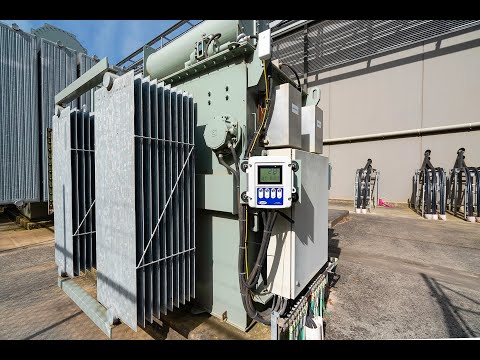
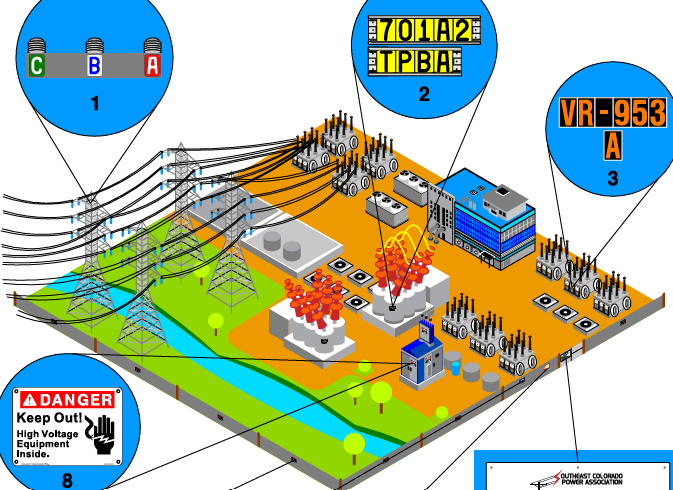
These examples illustrate how distributed generation provides environmental benefits, cost savings, and enhanced energy resilience across diverse regions.
Distributed Generation Technologies Comparison
| Technology | Typical Location | Primary Purpose | Key Advantage |
|---|---|---|---|
| Solar PV | Rooftops, parking structures, community sites | On-site electricity production | Zero fuel cost and scalable installation |
| Wind Turbines | Rural, coastal, or community locations | Local renewable generation | Strong output in high-wind areas |
| CHP Systems | Industrial plants, hospitals, campuses | Power and useful heat generation | Very high overall efficiency |
| Fuel Cells | Data centers, critical facilities | Reliable low-emission power | Continuous output with low noise |
| Battery Storage | Buildings, substations, microgrids | Energy shifting and backup | Improves reliability and peak control |
| Microgrids | Campuses, remote communities | Local grid resilience | Can operate independently during outages |
To understand how all these technologies fit together, a clear foundation in what is a smart grid helps explain how distributed generation supports reliability, efficiency, and resilience across the electricity network.
Future Trends in Distributed Generation
Looking ahead, distributed generation is expected to become more intelligent and more interconnected. Smart inverters, advanced storage, and digital controls are making local systems easier to manage. Virtual power plants are beginning to aggregate thousands of small resources into coordinated assets that utilities can dispatch when needed. Emerging options such as hydrogen and hybrid systems may further expand how and where DG is used. Distributed generation depends on advanced grid coordination, and topics like coordinated automation schemes explain how distributed resources are safely integrated into modern power systems.
Frequently Asked Questions
What is the difference between distributed generation and dispersed generation?
Dispersed generation usually refers to isolated or remote systems, while DG emphasizes resources located close to consumers and often connected to local networks.
How is distributed generation different from a microgrid?
Distributed generation refers to the power sources themselves. A microgrid is a coordinated system that may include several distributed generators, storage, and controls.
What are common examples of distributed generation?
Solar PV, wind turbines, CHP systems, fuel cells, battery storage, and integrated microgrids are all widely used examples.
What is Distributed Generation?
Distributed generation represents a gradual but meaningful shift away from strictly centralized electricity supply. By producing power closer to demand and integrating renewables, storage, and advanced controls, it improves efficiency, strengthens reliability, and supports a cleaner energy future.
Related Articles
_1497100159-2.webp)