Grid Modernization Explained
By R.W. Hurst, Editor
Download Our OSHA 4475 Fact Sheet – Being Aware of Arc Flash Hazards
- Identify root causes of arc flash incidents and contributing conditions
- Apply prevention strategies including LOTO, PPE, and testing protocols
- Understand OSHA requirements for training and equipment maintenance
Grid modernization improves the electric power system with smart technologies, automation, and renewable integration. It enhances grid reliability, resilience, and efficiency while enabling two-way communication, distributed energy resources, and better outage response for future-ready power delivery.
Understanding Grid Modernization?
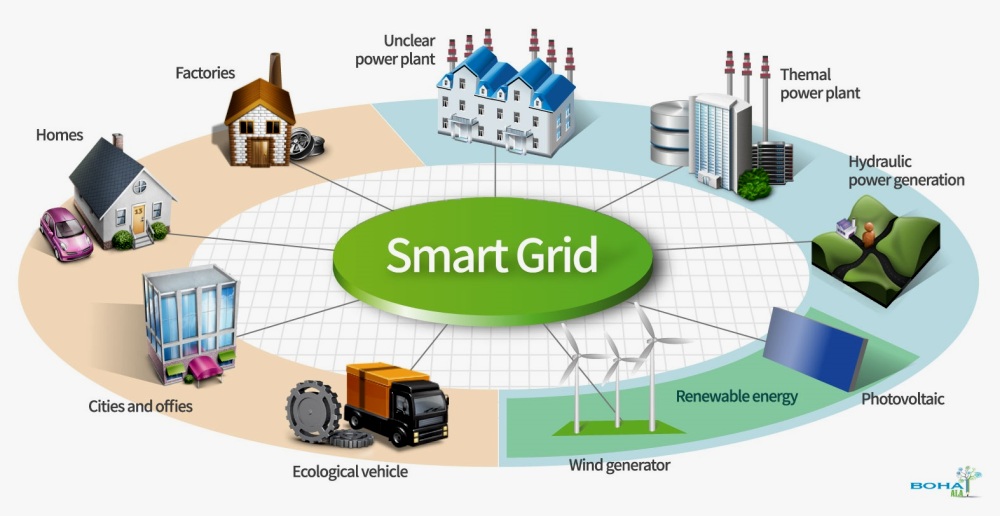
Grid modernization is the process of upgrading the electric grid with intelligent systems to improve reliability, resilience, and efficiency. Grid modernization builds on the broader foundation of the Smart Grid, where digital communication, automation, and real-time control improve how utilities plan, operate, and protect the power system.
We can build a more sustainable, resilient, and efficient power grid by integrating smart grid technologies, renewable energy sources, and innovative strategies. As the world continues to face the challenges of climate change and evolving energy needs, grid modernization is crucial to shaping a cleaner, more reliable future. Technologies such as coordinated automation schemes and SCADA systems allow utilities to detect faults faster, isolate problems, and restore service more efficiently.
The energy industry has undergone a rapid transformation in recent years, driven by technological advances, policy changes, and growing environmental concerns. Grid modernization is at the heart of this transformation, ensuring an efficient, resilient, and sustainable electricity supply. Moreover, as the world transitions to a more sustainable future, grid modernization plays a critical role in addressing the challenges of integrating clean energy, improving reliability, and enhancing the overall performance of power systems.
One of the main aspects of grid modernization is deploying smart grid technologies. A smart grid involves integrating advanced communication, automation, and control systems to improve the overall management of the electricity network. This approach enables grid operators to respond swiftly to changes in demand, integrate renewable energy resources, and enhance grid resilience.
Sign Up for Electricity Forum’s Smart Grid Newsletter
Stay informed with our FREE Smart Grid Newsletter — get the latest news, breakthrough technologies, and expert insights, delivered straight to your inbox.
Resilience is a key objective in modernizing power systems, as it helps to ensure uninterrupted service during extreme weather events, natural disasters, and other threats to the electrical grid. By embracing new technologies and strategies, grid modernization initiatives increase resiliency and reduce the likelihood of power outages.
Distributed Energy Resources (DERs) are crucial to modernizing the grid. DERs are small-scale, decentralized energy generation and storage systems, such as rooftop solar panels, wind turbines, and batteries, that can be interconnected with the grid or function independently. By incorporating DERs into the grid, we can diversify energy sources, decrease reliance on fossil fuels, and ensure a more reliable and efficient power supply.
Energy Storage
Energy storage is another vital component, as it effectively integrates intermittent renewable energy sources such as solar and wind. In addition, storage systems can provide electricity when needed by storing excess energy during times of low demand, ultimately improving grid stability and reducing greenhouse gas emissions.
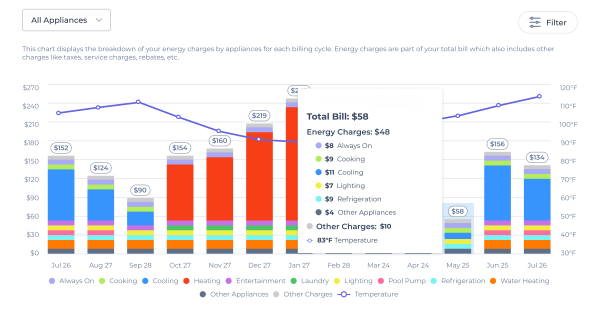
Advanced Metering Infrastructure (AMI) is also essential, as it provides real-time data on energy consumption and grid conditions. This information enables utilities to monitor and manage energy use more effectively, improving efficiency and lowering operational costs. Furthermore, AMI empowers consumers by giving them greater control over their energy usage, encouraging more sustainable consumption habits.
Demand response is another crucial aspect. This strategy involves adjusting consumers' electricity consumption in response to grid conditions or energy prices to balance supply and demand. Demand response programs can prevent blackouts, reduce grid stress, and support the integration of renewable energy resources.
EF Partner Media

Microgrids
Microgrids are smaller-scale, localized power networks that can operate independently or be interconnected with the main grid. They play an essential role in modernizing the grid by offering greater flexibility, improving reliability, and facilitating the integration of renewable energy. In addition, microgrids can help communities become more energy resilient, particularly in the face of natural disasters or other disruptive events.
Government initiatives, such as the Department of Energy's efforts to support grid modernization, focus on enhancing the grid's long-term reliability and efficiency. This program also aims to accommodate the increasing demand for electric vehicles, which are expected to play a major role in future energy consumption patterns. Advanced tools like smart grid data analytics and improved sensor technology turn raw operational data into actionable insights that enhance reliability and predictive maintenance.
Grid Modernization Standards
Smart grid initiatives involve a range of technologies, systems, and equipment. These include renewable energy resources, smart grid technologies, distributed energy resources, energy storage systems, and advanced metering infrastructure, among others. These components must work together seamlessly to achieve the goals, including increased efficiency, reliability, and grid sustainability. This requires establishing industry standards that ensure interoperability, compatibility, and safety.
Standards provide a framework for the design, installation, operation, and maintenance of technologies. They enable different systems, equipment, and devices to communicate and exchange data seamlessly, making the grid more efficient and effective. Standards also ensure the safety and reliability of the grid by setting minimum requirements for equipment performance, installation, and operation. Compliance with standards reduces the risk of equipment failure, outages, and other safety hazards. As grids become more connected, a strong grid cybersecurity strategy is essential to protect critical infrastructure from evolving digital threats.
FREE EF Electrical Training Catalog
Download our FREE Electrical Training Catalog and explore a full range of expert-led electrical training courses.

- Live online and in-person courses available
- Real-time instruction with Q&A from industry experts
- Flexible scheduling for your convenience
Adopting Standards
Adopting standards also helps reduce costs and increase the scalability of smart grid initiatives. Standardized equipment, systems, and practices are typically more affordable, as they can be produced in larger quantities and benefit from economies of scale. Standards also enable greater scalability of initiatives, allowing them to be implemented more widely and consistently.
Another critical role of standards is fostering innovation. Standards development and adoption involve collaboration between industry stakeholders, including equipment manufacturers, utilities, regulators, and other experts. This collaboration fosters innovation by encouraging the exchange of ideas and facilitating the development of new technologies and approaches. Standards also provide a level playing field for industry players, allowing for fair competition and encouraging the adoption of the best available technologies.
Grid modernization standards are essential for the successful implementation of grid initiatives. They ensure the grid's interoperability, compatibility, safety, and reliability while reducing costs and increasing scalability. Standards development and adoption also foster innovation and collaboration among industry stakeholders, leading to a more sustainable, resilient, and efficient grid.
Related Articles
