Cost of Different Storage Systems for Smart Grids
By William Conklin, Associate Editor
Download Our OSHA 3875 Fact Sheet – Electrical PPE for Power Industry Workers

- Follow rules for rubber gloves, arc-rated PPE, and inspection procedures
- Learn employer obligations for testing, certification, and training
- Protect workers from arc flash and electrical shock injuries
The cost of different storage systems for smart grids varies depending on the technology, efficiency, and scalability. Understanding battery, thermal, and pumped-storage costs helps utilities plan reliable, sustainable, and cost-effective energy solutions.
This topic concerns the economic evaluation of various energy storage technologies, such as batteries, thermal storage, and pumped hydro, that help balance supply and demand and enhance reliability in smart grid environments. It compares capital, operational, and lifecycle costs to provide a clearer understanding of long-term value. By outlining these cost differences, it guides utilities, grid operators, and policymakers in choosing the most effective solutions and supports energy planning aimed at sustainability and resilience.
Cost of Different Storage Systems for Smart Grids
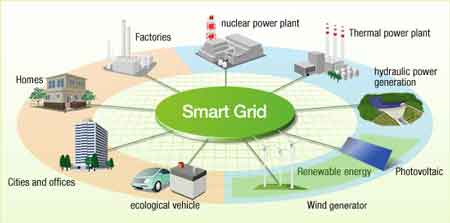
Smart grids are reshaping modern electricity networks by combining automation, digital intelligence, and advanced energy storage technologies. The costs of different storage systems for smart grids depend on capital expenses, efficiency, and long-term performance. Evaluating these costs is crucial to ensure the reliable integration of renewable energy sources, particularly as grids face increasing peak demand and the need for grid stability. To better understand this transition, see what is smart grid.
Lithium Ion Batteries: The Market Benchmark
Lithium-ion batteries dominate today’s storage market because they are efficient, compact, and increasingly affordable. These ion batteries are widely used for solar shifting and frequency regulation. In smart grids, they work alongside coordinated automation schemes, enabling utilities to balance distributed energy resources and reduce curtailment.
Despite declining prices, planners must also consider cycle life, augmentation, and maintenance costs when comparing lithium-ion to other systems.
Flow Batteries for Long-Duration Applications
Flow batteries offer a flexible design that separates energy capacity from power output, making them well-suited for longer discharge times. They play a vital role in optimizing energy by storing excess renewable output for evening peaks. When combined with smart grid communication and advanced analytics, they enhance visibility into performance.
Test Your Knowledge About Smart Grid!
Think you know Smart Grid? Take our quick, interactive quiz and test your knowledge in minutes.
- Instantly see your results and score
- Identify strengths and areas for improvement
- Challenge yourself on real-world electrical topics
Although initial costs are higher than those of lithium-ion batteries, their long lifespan and ability to discharge deeply without degradation can provide greater value over time.
Lead Acid Batteries in Niche Roles
Lead-acid batteries, one of the oldest storage technologies, are still deployed for backup and localized applications. While less efficient and durable, they remain attractive for low-cost installations. In modern grids, their usefulness increases when integrated with improved sensor technology, which helps monitor performance and extend service life in microgrids or emergency systems.
Pumped Hydro and Bulk Storage Options
Beyond batteries, pumped-storage hydropower continues to provide some of the lowest lifetime storage costs where geography allows. With multi-decade lifespans, pumped hydro supports bulk balancing for days at a time. Emerging options such as compressed air and thermal storage are also relevant, especially when combined with SCADA architecture and supervisory control for dispatching stored energy effectively.
Cybersecurity and System Protection
The integration of storage also introduces risks that must be addressed. Cyber threats can disrupt operations, making grid cybersecurity strategy and government notices, such as DHS/FBI alerts, crucial for securing assets. Protecting storage systems connected to SCADA monitoring and SCADA HMI interfaces helps ensure that both cost savings and system reliability are not compromised.
Data Analytics and Utility Reliability
True cost comparisons must go beyond installation to include lifecycle value. Data analytics tools enable operators to forecast degradation, plan augmentation, and calculate the levelized cost of storage (LCOS). Pairing this with how utilities can keep the lights on highlights the role of storage in reliability planning. Utilities that integrate analytics with SCADA systems and cybersecurity can better manage both costs and risks.
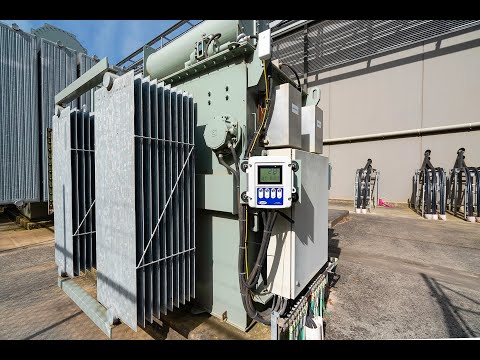
Smart substations are also critical. A smart substation links storage to the broader grid, ensuring energy is dispatched where needed. Similarly, substation SCADA supports local monitoring and automation for cost-effective operation.
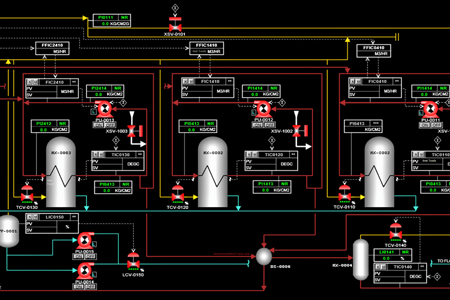
Finally, understanding the basics—such as what SCADA is and how it work—provides the foundation for linking storage costs to control systems.
The cost of different storage systems for smart grids must be evaluated across various technologies and their respective lifecycles. Lithium-ion leads the market, flow batteries are growing for long-duration roles, lead-acid remains for backup, and pumped hydro anchors bulk storage. Supporting systems, ranging from SCADA integration to smart grid monitoring, ensure these investments improve reliability, meet peak demand, and expand the use of renewable energy sources.
Related Articles
