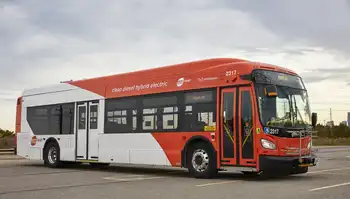
TTC Introduces Battery Electric Buses
Substation Relay Protection Training
Our customized live online or in‑person group training can be delivered to your staff at your location.
- Live Online
- 12 hours Instructor-led
- Group Training Available
TTC Battery-Electric Buses lead Toronto transit toward zero-emission mobility, improving air quality and climate goals with sustainable operations, advanced charging infrastructure, lower maintenance, energy efficiency, and reliable public transportation across the Toronto Transit Commission network.
What's Behind the News
TTC battery-electric buses are zero-emission vehicles improving quality, lowering costs, and providing efficient service.
Zero tailpipe emissions; improved urban air quality.
Lower total cost of ownership vs diesel through energy and maintenance.
High-efficiency traction motors and regenerative braking.
Citywide chargers enable reliable operations across routes.
The Toronto Transit Commission (TTC) has embarked on an exciting new chapter in its commitment to sustainability with the introduction of battery-electric buses to its fleet. This strategic move not only highlights the TTC's dedication to reducing its environmental impact but also positions Toronto as a leader in the evolution of public transportation. As cities worldwide strive for greener solutions, the TTC’s initiative stands as a significant milestone toward a more sustainable urban future.
Embracing Green Technology
The decision to integrate battery-electric buses into Toronto's transit system aligns with a growing trend among urban centers to adopt cleaner, more efficient technologies, including Metro Vancouver electric buses now in service. With climate change posing urgent challenges, transit authorities are rethinking their operations to foster cleaner air and reduce greenhouse gas emissions. The TTC’s new fleet of battery-electric buses represents a proactive approach to addressing these concerns, aiming to create a cleaner, healthier environment for all Torontonians.
Battery-electric buses operate without producing tailpipe emissions, and deployments like Edmonton's first electric bus illustrate this shift, offering a stark contrast to traditional diesel-powered vehicles. This transition is crucial for improving air quality in urban areas, where transportation is a leading source of air pollution. By choosing electric options, the TTC not only enhances the city’s air quality but also contributes to the global effort to combat climate change.
Economic and Operational Advantages
Beyond environmental benefits, battery-electric buses present significant economic advantages. Although the initial investment for electric buses may be higher than that for conventional diesel buses, and broader adoption challenges persist, the long-term savings are substantial. Electric buses have lower operating costs due to reduced fuel expenses and less frequent maintenance requirements. The electric propulsion system generally involves fewer moving parts than traditional engines, resulting in lower overall maintenance costs and improved service reliability.
Moreover, the increased efficiency of electric buses translates into reduced energy consumption. Electric buses convert a larger proportion of energy from the grid into motion, minimizing waste and optimizing operational effectiveness. This not only benefits the TTC financially but also enhances the overall experience for riders by providing a more reliable and punctual service.
Infrastructure Development
To support the introduction of battery-electric buses, the TTC is also investing in necessary infrastructure upgrades, including the installation of charging stations throughout the city. These charging facilities are essential for ensuring that the electric fleet can operate smoothly and efficiently. By strategically placing charging stations at transit hubs and along bus routes, the TTC aims to create a seamless transition for both operators and riders.
This infrastructure development is critical not just for the operational capacity of the electric buses but also for fostering public confidence in this new technology, and consistent safety measures such as the TTC's winter safety policy on lithium-ion devices reinforce that trust. As the TTC rolls out these vehicles, clear communication regarding their operational logistics, including charging times and routes, will be essential to inform and engage the community.
Engaging the Community
The TTC is committed to engaging with Toronto’s diverse communities throughout the rollout of its battery-electric bus program. Community outreach initiatives will help educate residents about the benefits of electric transit, addressing any concerns and building public support, and will also discuss emerging alternatives like Mississauga fuel cell buses in the region. Informational campaigns, workshops, and public forums will provide opportunities for dialogue, allowing residents to voice their opinions and learn more about the technology.
This engagement is vital for ensuring that the transition is not just a top-down initiative but a collaborative effort that reflects the needs and interests of the community. By fostering a sense of ownership among residents, the TTC can cultivate support for its sustainable transit goals.
A Vision for the Future
The TTC’s introduction of battery-electric buses marks a transformative moment in Toronto’s public transit landscape. This initiative exemplifies the commission's broader vision of creating a more sustainable, efficient, and user-friendly transportation network. As the city continues to grow, the need for innovative solutions to urban mobility challenges becomes increasingly critical.
By embracing electric technology, the TTC is setting an example for other transit agencies across Canada and beyond, and piloting driverless EV shuttles locally underscores that leadership. This initiative is not just about introducing new vehicles; it is about reimagining public transportation in a way that prioritizes environmental responsibility and community engagement. As Toronto moves forward, the integration of battery-electric buses will play a crucial role in shaping a cleaner, greener future for urban transit, ultimately benefitting residents and the planet alike.