Nuclear plants produce over half of Illinois electricity, almost faced retirement
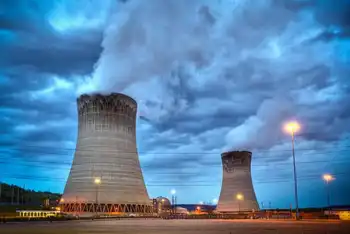
Substation Relay Protection Training
Our customized live online or in‑person group training can be delivered to your staff at your location.
- Live Online
- 12 hours Instructor-led
- Group Training Available
Illinois Zero Emission Credits support nuclear plants via tradable credits tied to wholesale electricity prices, carbon costs, created by the Future Energy Jobs Bill to avert Exelon closures and sustain low-carbon power.
Key Highlights
State credits that value nuclear power's zero-carbon output, priced by market and carbon metrics to keep plants running.
Price tied to wholesale prices, nuclear costs, and estimated CO2 externalities.
Averted Exelon retirements of Quad Cities and Clinton slated for 2017-2018.
Each ZEC equals the zero-emission attributes of 1 MWh of nuclear output.
Legal challenges allege Commerce Clause and FERC conflicts over price effects.
Nuclear plants have produced over half of Illinois electricity generation since 2010, but the states two largest plants would have been retired amid the debate over saving nuclear plants if the state had not created a zero emission credit (ZEC) mechanism to support the facilities.
The two plants, Quad Cities and Clinton, collectively delivered more than 12 percent of the states electricity generation over the past several years. In May 2016, however, Exelon, the owner of the plants, announced that they had together lost over $800 million dollars over the previous six years and revealed plans to retire them in 2017 and 2018, similar to the Three Mile Island closure later announced for 2019 by its owner.
In December 2016, Illinois passed the Future Energy Jobs Bill, which established a zero emission credit (ZEC) mechanism
to support the plants financially. Exelon then cancelled its plans to retire the two facilities.
The ZEC is a tradable credit that represents the environmental attributes of one megawatt-hour of energy produced from the states nuclear plants. Its price is based on a number of factors that include wholesale electricity market prices, nuclear generation costs, state average market prices, and estimated costs of the long-term effects of carbon dioxide emissions.
The bill is set to take effect in June, but faces multiple court challenges as some utilities have expressed concerns that the ZEC violates the commerce clause and affects federal authority to regulate wholesale energy prices, amid gas-fired competition in nearby markets that shapes the revenue outlook.
Illinois ranks first in the United States for both generating capacity and net electricity generation from nuclear power, a resource many see as essential for net-zero emissions goals, and accounts for approximately one-eighth of the nuclear power generation in the nation.