Fuel Cell Electric Buses Coming to Mississauga
Substation Relay Protection Training
Our customized live online or in‑person group training can be delivered to your staff at your location.
- Live Online
- 12 hours Instructor-led
- Group Training Available
Mississauga Fuel Cell Electric Buses advance zero-emission public transit, leveraging hydrogen fuel cells, green hydrogen supply, rapid refueling, and extended range to cut GHGs, improve air quality, and modernize sustainable urban mobility.
What's Going On
Hydrogen fuel cell buses power electric drivetrains for zero-emission service, long range, and quick refueling.
Mississauga to deploy FCEBs to cut GHGs and modernize transit.
Zero tailpipe emissions; only water and heat are produced.
Longer range and faster refueling than many battery buses.
Requires hydrogen production, storage, and fueling infrastructure.
Mississauga, Ontario, is gearing up for a significant shift in its public transportation landscape with the introduction of fuel cell electric buses (FCEBs). This initiative marks a pivotal step toward reducing greenhouse gas emissions and enhancing the sustainability of public transport in the region. The city, known for its vibrant urban environment and bustling economy, is making strides to ensure that its transit system evolves in harmony with environmental goals.
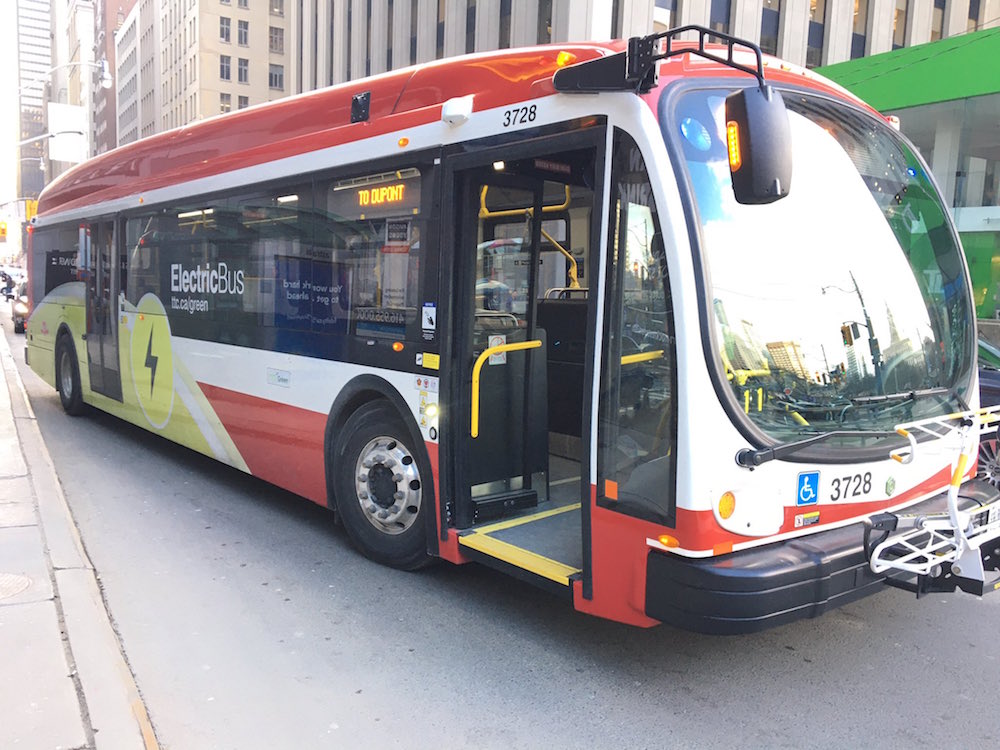
The recent announcement highlights the commitment of Mississauga to embrace clean energy solutions. The integration of FCEBs is part of a broader strategy to modernize the transit fleet while tackling climate change. As cities around the world seek to reduce their carbon footprints, Mississauga’s initiative aligns with global trends toward greener urban transport, where projects like the TTC battery-electric buses demonstrate practical pathways.
What are Fuel Cell Electric Buses?
Fuel cell electric buses utilize hydrogen fuel cells to generate electricity, which powers the vehicle's electric motor. Unlike traditional buses that run on diesel or gasoline, FCEBs produce zero tailpipe emissions, making them an environmentally friendly alternative. The only byproducts of their operation are water and heat, significantly reducing air pollution in urban areas.
The technology behind FCEBs is becoming increasingly viable as hydrogen production becomes more sustainable. With the advancement of green hydrogen production methods, which use renewable energy sources to create hydrogen, and because some electricity in Canada still comes from fossil fuels, the environmental benefits of fuel cell technology are further amplified. Mississauga’s investment in these buses is not only a commitment to cleaner air but also a boost for innovative technology in the transportation sector.
Benefits for Mississauga
The introduction of FCEBs is poised to offer numerous benefits to the residents of Mississauga. Firstly, the reduction in greenhouse gas emissions aligns with the city’s climate action goals and complements Canada’s EV goals at the national level. By investing in cleaner public transit options, Mississauga is taking significant steps to improve air quality and combat climate change.
Moreover, FCEBs are known for their efficiency and longer range compared to battery electric buses, such as the Metro Vancouver fleet now operating across the region, commonly used in Canadian cities. This means they can operate longer routes without the need for frequent recharging, making them ideal for busy transit systems. The use of hydrogen fuel can also result in shorter fueling times compared to electric charging, enhancing operational efficiency.
In addition to environmental and operational advantages, the introduction of these buses presents economic opportunities. The deployment of FCEBs can create jobs in the local economy, from maintenance to hydrogen production facilities, similar to how St. Albert’s electric buses supported local capabilities. This aligns with broader trends of sustainable economic development that prioritize green jobs.
Challenges Ahead
While the potential benefits of FCEBs are clear, the transition to this technology is not without its challenges. One of the main hurdles is the establishment of a robust hydrogen infrastructure. To support the operation of fuel cell buses, Mississauga will need to invest in hydrogen production, storage, and fueling stations, much as Edmonton’s first electric bus required dedicated charging infrastructure. Collaboration with regional and provincial partners will be crucial to develop this infrastructure effectively.
Additionally, public acceptance and awareness of hydrogen technology will be essential. As with any new technology, there may be skepticism regarding safety and efficiency. Educational campaigns will be necessary to inform the public about the advantages of FCEBs and how they contribute to a more sustainable future, and recent TTC’s battery-electric rollout offers a useful reference for outreach efforts.
Looking Forward
As Mississauga embarks on this innovative journey, the introduction of fuel cell electric buses signifies a forward-thinking approach to public transportation. The city’s commitment to sustainability not only enhances its transit system but also sets a precedent for other municipalities to follow.
In conclusion, the shift towards fuel cell electric buses in Mississauga exemplifies a significant leap toward greener public transport. With ongoing efforts to tackle climate change and improve urban air quality, Mississauga is positioning itself as a leader in sustainable transit solutions. The future looks promising for both the city and its residents as they embrace cleaner, more efficient transportation options. As this initiative unfolds, it will be closely watched by other cities looking to implement similar sustainable practices in their own transit systems.