Coronavirus impacts dismantling of Germany's Philippsburg nuclear plant
Substation Relay Protection Training
Our customized live online or in‑person group training can be delivered to your staff at your location.
- Live Online
- 12 hours Instructor-led
- Group Training Available
Philippsburg Demolition Delay: EnBW postpones controlled cooling-tower blasts amid the coronavirus pandemic, affecting decommissioning timelines in Baden-Wurttemberg and grid expansion for a transformer station to route renewable power and secure supply in southern Germany.
What You Need to Know
EnBW's COVID-19 delay of Philippsburg cooling-tower blasts, affecting decommissioning and grid plans.
Pandemic disrupts schedule for controlled cooling-tower demolition.
Delay affects Philippsburg Unit 2 decommissioning workflow.
Site needed for a transformer station to route northern renewables south.
Grid security in southern Germany depends on timely site clearance.
Timing contingent on health measures and national energy policy debates.
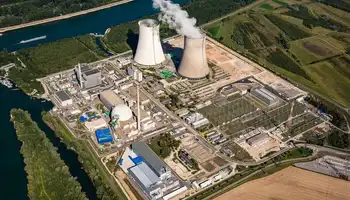
German energy company EnBW said the coronavirus outbreak has impacted plans to dismantle its Philippsburg nuclear power plant in Baden-Wurttemberg, southwest Germany, amid plans to phase out coal and nuclear nationally.
The controlled detonation of Phillipsburg's cooling towers will now take place in mid-May at the earliest, subject to coordination as Germany debates whether to reconsider its nuclear phaseout in light of supply needs.
However, EnBW said the exact demolition date depends on many factors - including the further development in the coronavirus pandemic and ongoing climate policy debates about energy choices.
Philippsburg 2, a 1402MWe pressurised water reactor unit permanently shut down on 31 December 2019, as part of Germany's broader effort to shut down its remaining reactors over time.
At the end of 2019, the Ministry of the Environment gave basic approval for decommissioning and dismantling of unit 2 of the Philippsburg nuclear power plant, inluding explosive demolition of the colling towers. Since then EnBW has worked intensively on getting all the necessary formal steps on the way and performing technical and logistical preparatory work, even as discussions about a potential nuclear resurgence continue nationwide.
“The demolition of the cooling towers is directly related to future security of supply in southern Germany. We therefore feel obliged to drive this project forward," said Jörg Michels head of the EnBW nuclear power division.
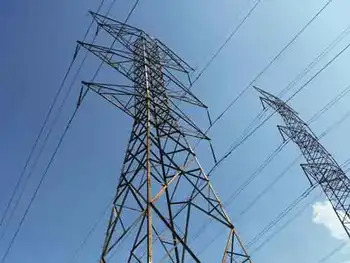
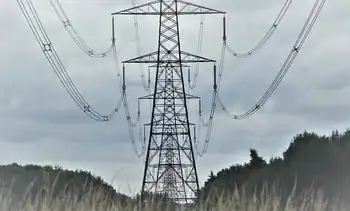
The timely removal of the cooling towers is important as the area currently occupied by nuclear plant components is needed for a transformer station for long-distance power lines, an issue underscored during the energy crisis when Germany temporarily extended nuclear power to bolster supply. These will transport electricity from renewable sources in the north to industrial centres in the south.
As of early 2020, there six nuclear reactors in operation in Germany, even as the country turned its back on nuclear in subsequent years. According to research institute Fraunhofer ISE, nuclear power provided about 14% of Germany's net electricity in 2019, less than half of the figure for 2000.