Germany turns its back on nuclear for good despite Europe's energy crisis
Protective Relay Training - Basic
Our customized live online or in‑person group training can be delivered to your staff at your location.
- Live Online
- 12 hours Instructor-led
- Group Training Available
Germany nuclear phase-out underscores a high-stakes energy transition, trading reactors for renewables, LNG imports, and grid resilience to secure supply, cut emissions, and navigate climate policy, public opinion shifts, and post-Ukraine supply shocks.
What's Behind the News
Germany's nuclear phase-out retires reactors, shifting to renewables, LNG, and grid upgrades for low-carbon power.
Last three reactors: Neckarwestheim, Isar 2, and Emsland closed
Supply secured via LNG imports, renewables, and grid flexibility
Policy accelerated post-Fukushima; debate renewed after Ukraine war
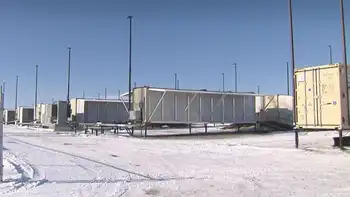
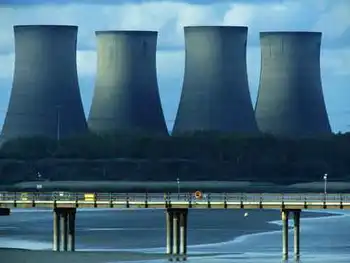
The German government is phasing out nuclear power despite the energy crisis. The country is pulling the plug on its last three reactors, betting it will succeed in its green transition without nuclear power.
On the banks of the Neckar River, not far from Stuttgart in south Germany, the white steam escaping from the nuclear power plant in Baden-Württemberg will soon be a memory.
The same applies further east for the Bavarian Isar 2 complex and the Emsland complex, at the other end of the country, not far from the Dutch border.
While many Western countries depend on nuclear power, Europe's largest economy is turning the page, even if a possible resurgence of nuclear energy is debated until the end.
Germany is implementing the decision to phase out nuclear power taken in 2002 and accelerated by Angela Merkel in 2011, after the Fukushima disaster.
Fukushima showed that "even in a high-tech country like Japan, the risks associated with nuclear energy cannot be controlled 100 per cent", the former chancellor justified at the time.
The announcement convinced public opinion in a country where the powerful anti-nuclear movement was initially fuelled by fears of a Cold War conflict, and then by accidents such as Chernobyl.
The invasion of Ukraine on 24 February 2022 brought everything into question. Deprived of Russian gas, the flow of which was essentially interrupted by Moscow, Germany found itself exposed to the worst possible scenarios, from the risk of its factories being shut down to the risk of being without heating in the middle of winter.
With just a few months to go before the initial deadline for closing the last three reactors on 31 December, the tide of public opinion began to turn, and talk of a U-turn on the nuclear phaseout grew louder.
"With high energy prices and the burning issue of climate change, there were of course calls to extend the plants," says Jochen Winkler, mayor of Neckarwestheim, where the plant of the same name is in its final days.
Olaf Scholz's government, which the Green Party - the most hostile to nuclear power - is part of, finally decided to extend the operation of the reactors to secure the supply until 15 April.
"There might have been a new discussion if the winter had been more difficult if there had been power cuts and gas shortages nationwide. But we have had a winter without too many problems," thanks to the massive import of liquefied natural gas, notes Mr Winkler.