End of an Era: UK's Last Coal Power Station Goes Offline
NFPA 70b Training - Electrical Maintenance
Our customized live online or in‑person group training can be delivered to your staff at your location.

- Live Online
- 12 hours Instructor-led
- Group Training Available
UK Coal-Free Energy Transition highlights the West Burton A closure, accelerating renewable energy, wind, solar, nuclear, energy storage, smart grid upgrades, decarbonization, and net-zero goals while ensuring reliability, affordability, and a just transition for workers.
Inside the Issue
A nationwide shift from coal power to renewables, storage, and nuclear to meet net-zero while maintaining reliability.
West Burton A shutdown marks coal power's end in the UK.
Wind, solar, and nuclear capacity expansions accelerate.
Grid modernization and energy storage bolster reliability.
Policies target net-zero by 2050 with just transition support.
Affordability maintained via market reform and flexible resources.
The United Kingdom marks a historic turning point in its energy transition with the closure of the West Burton A Power Station in Nottinghamshire. This coal-fired power plant, once a symbol of the nation's industrial might, has now delivered its final watts of electricity to the grid, signalling the end of coal power generation in the UK.
A Landmark Shift Towards Clean Energy
The closure of West Burton A reflects a dramatic shift in the UK's energy landscape. Coal, the backbone of the UK's power generation for decades, is being phased out in favour of renewable energy sources like wind, solar, and nuclear. This transition aligns with the UK's ambitious net-zero emissions target, which aims to radically decarbonize the country's economy by 2050, though progress can falter, as when low-carbon generation stalled in 2019 amid changing market conditions.
Changing Energy Landscape
In the past, coal-fired power plants provided reliable, on-demand power. However, growing awareness of their significant environmental impact, particularly their contribution to climate change, has accelerated the move away from coal. The UK government has set clear targets for eliminating coal power generation, and the industry has seen a steady decline as the share of coal fell to record lows in the electricity system.
Renewables Fill the Gap
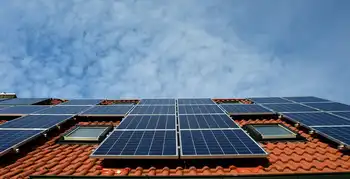
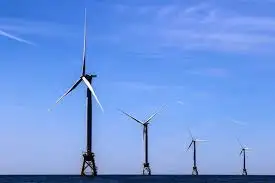
The remarkable growth of renewable energy sources has enabled the transition away from coal. Wind and solar power, in particular, have experienced rapid development and falling costs, and in 2016 wind generated more electricity than coal for the first time. The UK now boasts substantial offshore and onshore wind farms and extensive solar installations. Additionally, investments in nuclear power and emerging energy storage technologies are increasing the reliability and diversity of the UK's power grid.
Economic and Social Impacts
The closure of the last coal-fired power station carries both economic and social impacts. While this change represents a victory for environmentalists, marked by milestones like a full week without coal power in Britain, the end of coal mining and power generation will lead to job losses in communities traditionally reliant on these industries. The government has committed to supporting affected regions and facilitating a "just transition" for workers by retraining and creating new opportunities in the clean energy sector.
Global Implications
The UK's commitment to a coal-free future serves as a powerful example for other nations seeking to decarbonize their energy systems, including peers where Alberta's last coal plant closed recently. The nation's experience demonstrates that a transition to renewable energy sources is both possible and necessary. However, it also highlights the importance of careful planning and addressing the social and economic impacts of such a rapid energy revolution.
The Road Ahead
While the closure of West Burton A Power Station marks a historic milestone, the UK's transition to clean energy is far from complete. Maintaining a reliable and affordable energy supply, even as coal-free power records raise questions about energy bills, will require continued investment in renewable energy sources, energy storage, and advanced grid technologies.