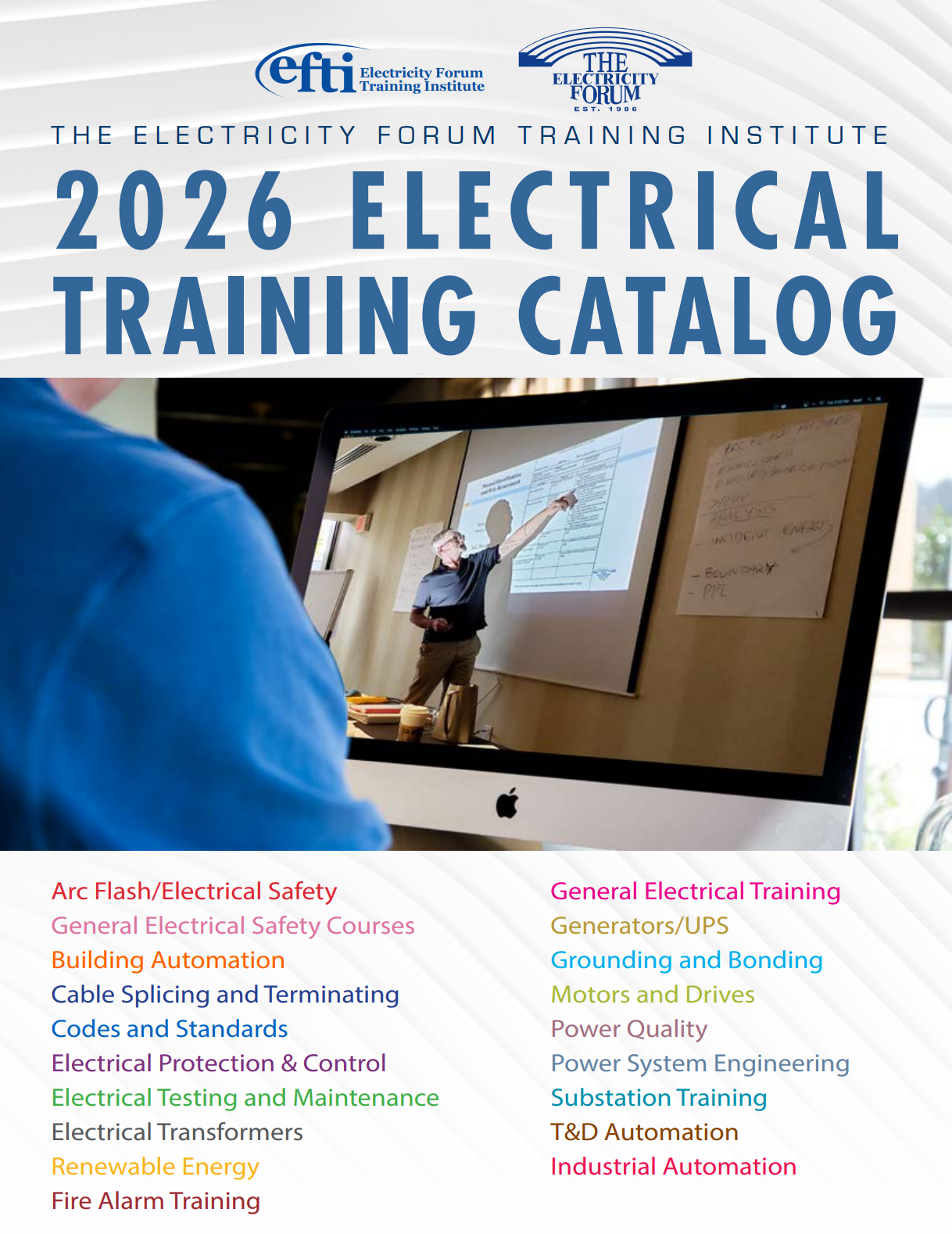
How Hot Is an Electrical Arc Flash?
NFPA 70E Training
Our customized live online or in‑person group training can be delivered to your staff at your location.
- Live Online
- 6 hours Instructor-led
- Group Training Available
Download Our OSHA 3875 Fact Sheet – Electrical PPE for Power Industry Workers
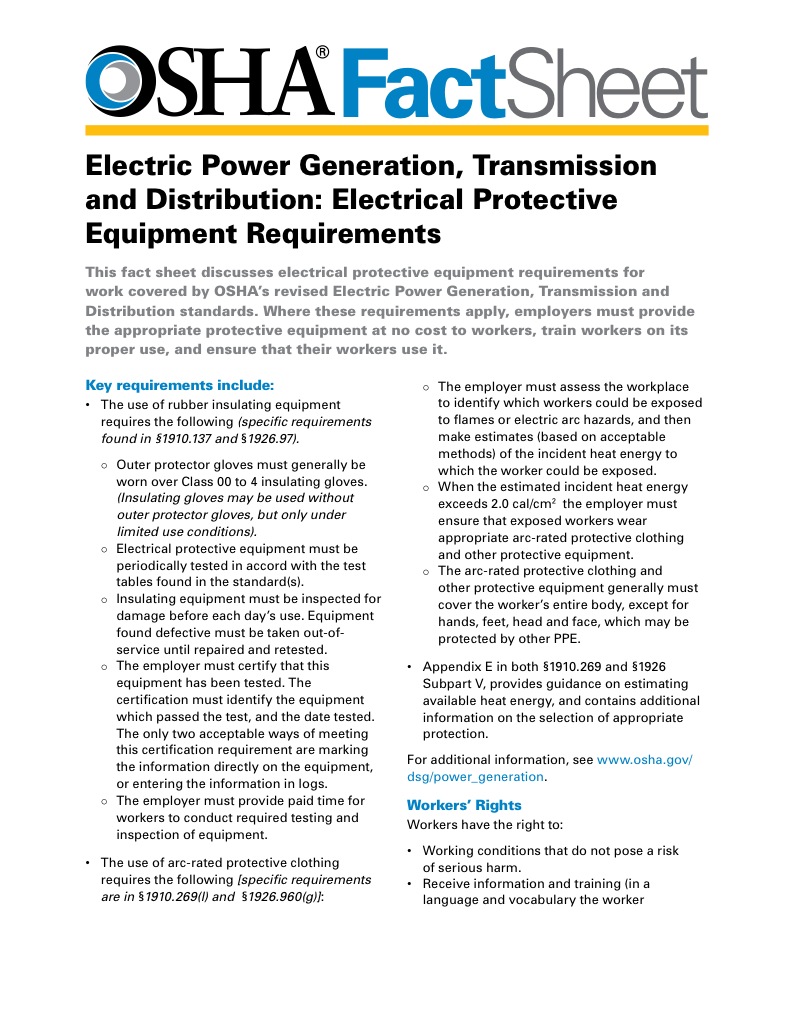
- Follow rules for rubber gloves, arc-rated PPE, and inspection procedures
- Learn employer obligations for testing, certification, and training
- Protect workers from arc flash and electrical shock injuries
An electrical arc flash can exceed 35,000°F, producing plasma, molten metal spray, and intense thermal radiation. Arc flash temperature, incident energy in cal/cm², and distance determine burn severity and PPE requirements.
How Hot Is an Electrical Arc Flash?
The temperature at the center of an arc flash is difficult to reconcile with everyday experience. In a severe fault, the arc column can reach temperatures above 35,000°F, hotter than the surface of the sun and well beyond the melting point of most industrial metals. This heat is released almost instantly, leaving no meaningful opportunity for reaction or escape.
What makes arc flash heat uniquely dangerous is not just how hot it gets, but how quickly it develops. A system can appear stable, then fail catastrophically in milliseconds. Copper conductors vaporize, expanding violently. Clothing ignites before the wearer feels pain. Even workers several feet away can suffer life-altering burns without ever touching energized components. The heat can vaporize metal, ignite clothing, and cause severe burns several feet from the source. See this page for more information about arc flash temperature. Training frameworks align terminology with arc flash hazard assessments used to set boundaries and PPE levels.
Request a Free Training Quotation
In real electrical systems, an arc flash and arc blast are rarely anticipated until something goes wrong with energized electrical equipment, at which point the event feels less like a technical failure and more like an electrical explosion unfolding in front of you.
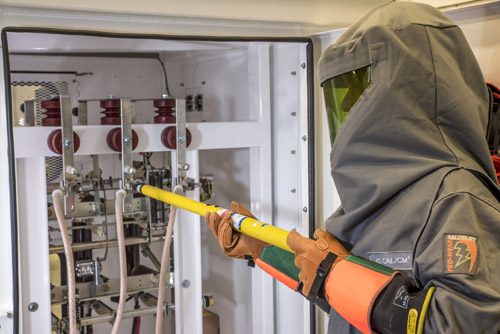
The heat, pressure, and light arrive together, overwhelming anyone too close to react. That is why arc-rated clothing and personal protective equipment PPE are not treated as optional layers, but as a last line of defence when engineering controls and procedures fail. Worn correctly and selected with intent, they play a meaningful role in reducing the risk of severe injury when work must be performed near live conductors. Understanding electrical arc-flash in terms of current path, enclosure effects, and clearing time helps engineers select effective mitigation strategies.
Test Your Knowledge About Arc Flash!
Think you know Arc Flash? Take our quick, interactive quiz and test your knowledge in minutes.
- Instantly see your results and score
- Identify strengths and areas for improvement
- Challenge yourself on real-world electrical topics
The Science Behind Electrical Arc Flash Temperatures
Arc flash events begin when current leaves its intended path and bridges an air gap between conductors or to ground. Once the arc is established, the surrounding air ionizes into plasma, becoming both a conductor and a heat source. Energy that was meant to travel quietly through copper now erupts into light, pressure, and extreme thermal output.
The highest temperatures exist at the arc core, but the damage is not confined there. Radiant heat and expanding gases transfer energy outward, driven by fault current magnitude, system voltage, enclosure geometry, and the time it takes protective devices to clear the fault. Engineers who study electrical arc flash behavior pay close attention to these variables because small changes can produce dramatically different outcomes in real equipment.
How Far Can Electrical Arc Flash Heat Travel?
Although the arc itself occupies a small physical space, the heat it releases spreads well beyond the point of origin. The severity of injury at a given distance is determined by incident energy, measured in calories per square centimeter. That value represents the amount of thermal energy that reaches the body, not how hot the arc core becomes.
At relatively low exposure levels, skin can blister. At higher levels, clothing can ignite, and burns can penetrate through multiple fabric layers. In extreme cases, the thermal wave can cause fatal injuries even when workers are outside the enclosure. This is why approach boundaries are not fixed distances and must be calculated based on system conditions rather than assumptions. This phenomenon, sometimes described as an electric flash underscores why approach boundaries change with system configuration.
Real-World Consequences of Extreme Heat
The effects of heat and blast explosions are often described clinically, but the reality is harsh and immediate. Tools soften or melt in the hand. Face shields craze or deform. Superheated gases expand outward, turning confined spaces into arc blast chambers. Survivors frequently report that the pressure wave arrives at the same moment as the heat, amplifying injuries and disorientation.
Medical data from electrical arc flash incidents shows consistent patterns. Severe burns to exposed skin, ignition of non-rated clothing, eye injuries from intense light, and secondary trauma caused by the blast itself. These are not rare edge cases. They are predictable outcomes when thermal energy is underestimated or improperly controlled. A review of injuries associated with arc flash shows patterns of burns, blast trauma, and eye damage that inform medical response protocols.
Protecting Against the Heat of an Electrical Arc Flash
Reducing exposure to arc flash heat begins long before anyone approaches energized equipment. Incident energy analysis provides a way to quantify thermal risk rather than rely on generic labels or assumptions. From there, arc-rated PPE is selected based on calculated exposure, not worst-case speculation or convenience.
Engineering controls also play a role. Arc-resistant switchgear, current-limiting devices, faster protective relays, and thoughtful equipment layout all reduce the amount of energy released during a fault. Standards such as NFPA 70E and CSA Z462 are valuable because they reflect hard-earned lessons from incidents, not because they function as checklists.
So, just how hot is an electrical arc flash? Hot enough to instantly transform solid metal into vapor and fabric into fuel. The only reliable defence is preparation grounded in physics, not optimism. When thermal energy is properly understood and respected, the risk becomes manageable. When it is ignored, the consequences are often permanent.
Electricity Today T&D Magazine Subscribe for FREE

- Timely insights from industry experts
- Practical solutions T&D engineers
- Free access to every issue