CSA Z462 - Workplace Electrical Safety
By R.W. Hurst, Editor
NFPA 70E Training
Our customized live online or in‑person group training can be delivered to your staff at your location.
- Live Online
- 6 hours Instructor-led
- Group Training Available
Download Our OSHA 4474 Fact Sheet – Establishing Boundaries Around Arc Flash Hazards
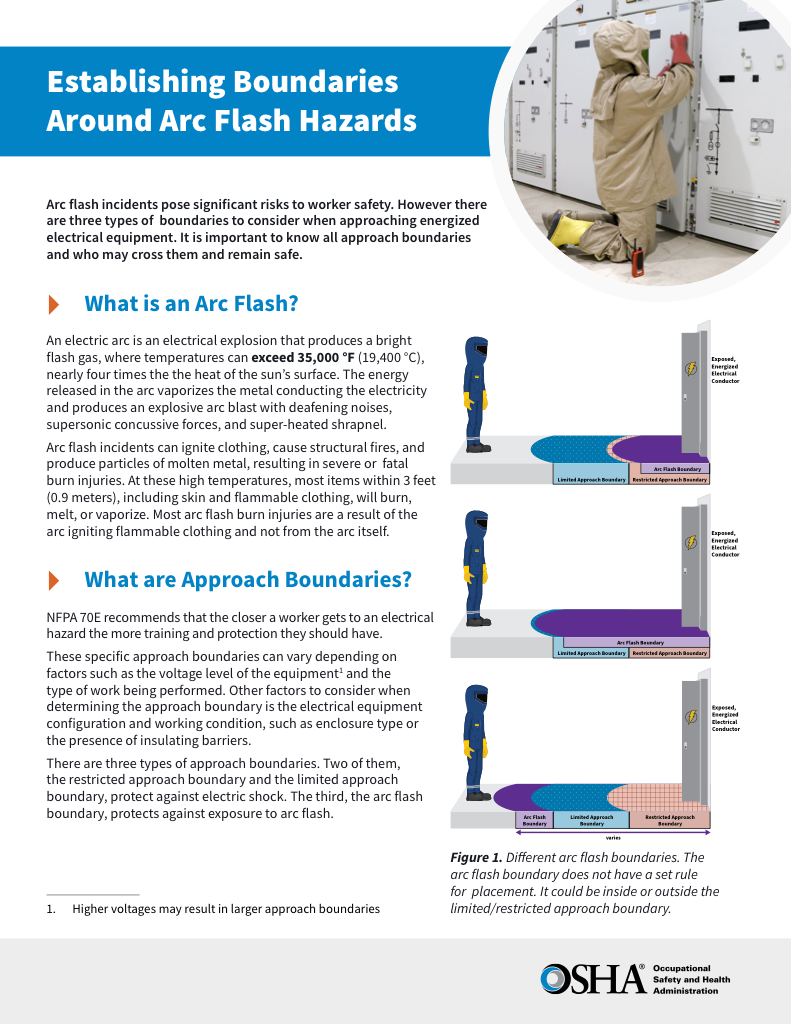
- Understand the difference between arc flash and electric shock boundaries
- Learn who may cross each boundary and under what conditions
- Apply voltage-based rules for safer approach distances
CSA Z462 is Canada’s workplace electrical safety standard, covering arc flash and shock hazards, incident energy analysis, arc flash boundaries, PPE selection, labeling, and training requirements aligned with NFPA 70E.
CSA Z462 Explained for Electrical Professionals
CSA Z462 provides a practical framework for managing electrical hazards in real working environments. Rather than focusing only on theoretical risk, the standard connects electrical system behavior to worker exposure, helping employers make informed decisions about energized work, protective measures, and safe work planning. It intends to reduce arc flash injuries by ensuring hazards are identified, communicated, and controlled before work begins.
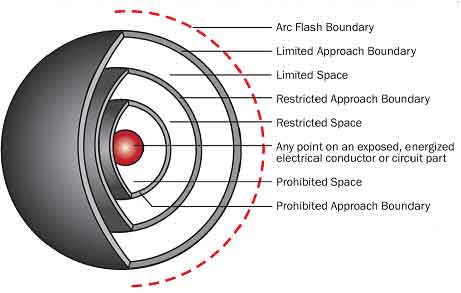
A core requirement of CSA Z462 is the use of risk assessment to evaluate both arc flash and shock hazards. This includes defining approach boundaries, determining when energized work is justified, and identifying appropriate controls. Where arc flash hazards exist, an arc flash study based on incident energy analysis is used to establish safe working distances and PPE requirements. Clear arc flash labels are required so workers can quickly understand the hazards before interacting with equipment.
In addition to thermal protection zones, the standard also defines shock protection distances, such as the limited approach boundary, helping organizations build a comprehensive electrical safety program.
CSA Z462 Workplace Electrical Safety Standard
CSA Z462 is the formal title of Canada’s arc flash and workplace electrical safety standard. Before its development, Canadian guidance on electrical safety was fragmented and inconsistent, leaving many employers without clear direction on qualification, training, or hazard control. Since its introduction in 2006, the electrical safety standard has filled that gap by establishing a nationally recognized framework for electrical safety in the workplace.
The standard was developed by the CSA Technical Committee on Workplace Electrical Safety under the Strategic Steering Committee on Occupational Health and Safety. It was designed to harmonize with the Canadian Electrical Code, CSA Z460 on hazardous energy control, and CSA M421 for electrical work in mines. The standard is also closely aligned with NFPA 70E to support consistency across North American workplaces.
Sign Up for Electricity Forum’s Arc Flash Newsletter
Stay informed with our FREE Arc Flash Newsletter — get the latest news, breakthrough technologies, and expert insights, delivered straight to your inbox.
CSA Z462 Arc Flash Standard
CSA Z462 specifies requirements and provides guidance on safe work practices for electrical equipment and systems. It addresses how electrical work should be planned, how hazards are evaluated, and how workers are protected when exposure cannot be eliminated. The standard also establishes criteria for identifying qualified electrical workers and limits hazardous tasks to those with appropriate training and experience.
Personal protective equipment selection is a key element of the standard. The arc flash standard links PPE requirements directly to calculated risk rather than to generic categories, ensuring protection is matched to actual exposure. This approach improves safety outcomes and supports defensible compliance decisions.
CSA Z462 Workplace Electrical Safety
The standard covers a wide range of electrical safety topics, including:
• Lockout procedures and hazardous energy control
• Arc flash and shock hazard labeling
• PPE selection and garment layering guidance
• Simplified PPE category systems
• Use of insulated tools and protective equipment
• Risk assessment methods and task-based guidance
• Training requirements for qualified electrical workers
• Alignment with recognized occupational health and safety management systems
All measurement values are fully metric, and definitions have been expanded and updated to reflect modern industry practice.
CSA Z462 vs NFPA 70E: How Workplace Electrical Safety Standards Align
CSA Z462 is closely aligned with NFPA 70E, the U.S. standard for electrical safety in the workplace. Both standards are built on the same core principles, including hazard identification, risk assessment, and the use of engineered and administrative controls supported by PPE.
The arc flash standard also incorporates IEEE 1584 methodologies for incident energy calculations, ensuring arc flash studies in Canada follow internationally accepted engineering practices. For hazard communication, the arc flash standard aligns with ANSI Z535.4 guidance on safety labels and signage to ensure clear, consistent warnings across equipment and facilities.

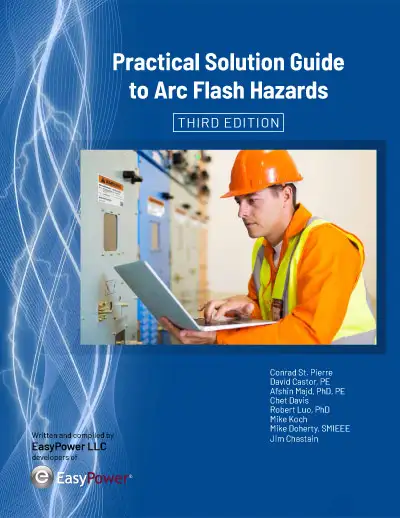
Together, these standards support a harmonized approach to electrical safety, helping organizations manage risk, protect workers, and meet regulatory expectations across North America.
Related Articles
