Cape Town to Build Own Power Plants, Buy Additional Electricity
NFPA 70E Training
Our customized live online or in‑person group training can be delivered to your staff at your location.
- Live Online
- 6 hours Instructor-led
- Group Training Available
Cape Town Renewable Energy Plan targets 450+ MW via solar, wind, and battery storage, cutting Eskom reliance, lowering greenhouse gas emissions, stabilizing electricity prices, and boosting grid resilience through municipal procurement, PPAs, and city-owned plants.
At a Glance
A municipal plan to procure over 450 MW, cut Eskom reliance, stabilize prices, and reduce Cape Town emissions.
Targets 450+ MW via solar, wind, and battery storage
Reduces reliance on Eskom, enhancing supply security
Stabilizes electricity prices through diversified procurement
Mix of municipal procurement, PPAs, and city-owned generation
Initial RFI to fund city plants; RFP for up to 150 MW in-city; 300 MW later
Cape Town is seeking to secure more than 450 megawatts of power from renewable sources to cut reliance on state power utility Eskom Holdings SOC Ltd., where wind procurement cuts were considered during lockdown, and reduce greenhouse gas emissions.
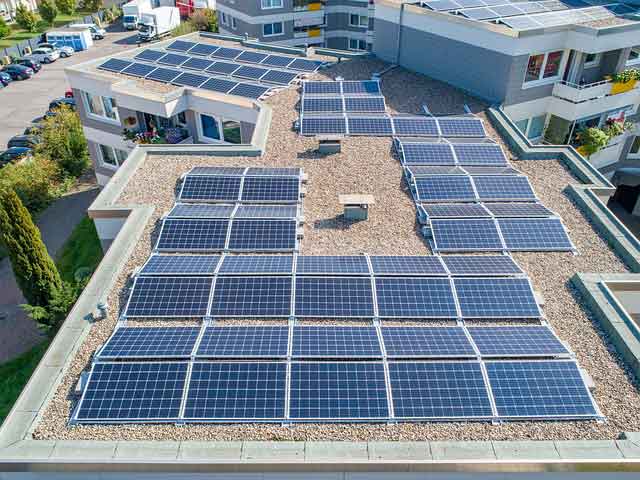
South Africa’s second-biggest city is looking at a range of options, including geothermal exploration in comparable markets, and expects the bulk of the electricity to be generated from solar plants, Kadri Nassiep, the city’s executive director of energy and climate change, said in an interview.
On July 14 the city of 4.6 million people released a request for information to seek funding to build its own plants. This month or next it will seek proposals for the provision of as much as 150 megawatts from privately owned plants, largely solar additions, to be built and operated within the city, he said. As much as 300 megawatts may also be purchased at a later stage from plants outside of Cape Town, according to Nassiep.
The city could secure finance to build 100 to 200 megawatts of its own generation capacity, Nassiep said. “We realized that it is important for the city to be more in control around the pricing of the power,” he added.
Power Outages
Cape Town’s foray into the securing of power from sources other than Eskom comes after more than a decade of intermittent electricity outages, while elsewhere in Africa coal projects face scrutiny from lenders, because the utility can’t meet national demand. The government last year said municipalities could find alternative suppliers.
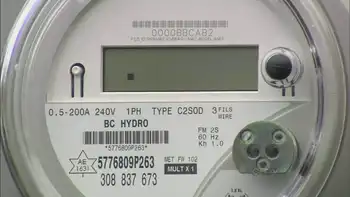
Earlier this month Ethekwini, the municipal area that includes the city of Durban, issued a request for information for the provision of 400 megawatts of power, similar to BC Hydro’s call for power driven by EV uptake.
The City of Johannesburg will in September seek information and proposals for the construction of a 150-megawatt solar plant, reflecting moves like Ontario’s new wind and solar procurements to tackle supply gaps, 50 megawatts of rooftop solar panels and the refurbishment of an idle gas-fired plant that could generate 20 megawatts, it said in June. It will also seek information for the installation of 100 megawatts of battery storage.
Cape Town, which uses a peak of 1,800 megawatts of electricity in winter, hopes to start generating some of its own power next year, aligning with SaskPower’s 2030 renewables plan seen in Canada, according to a statement that accompanied its request for financing proposals.