Ontario to seek new wind, solar power to help ease coming electricity supply crunch
CSA Z463 Electrical Maintenance -
Our customized live online or in‑person group training can be delivered to your staff at your location.

- Live Online
- 6 hours Instructor-led
- Group Training Available
Ontario Clean Grid Plan outlines emissions-free electricity growth, renewable energy procurement, nuclear expansion at Bruce and Darlington, reduced natural gas, grid reliability, and net-zero alignment to meet IESO demand forecasts and EV manufacturing loads.
The Big Picture
A plan to expand emissions-free power via renewables and nuclear, cut natural gas use, and meet growing demand.
Targets emissions-free electricity growth through 2050
Procures new wind, solar, and hydro to meet IESO forecasts
Expands nuclear: Bruce large unit, three SMRs at Darlington
Uses gas for reliability short term; aims to phase down use
Aligns with net-zero goals; timeline pending federal support
Ontario is working toward filling all of the province’s quickly growing electricity needs with emissions-free sources, including a plan to secure new renewable generation and clean power options, but isn’t quite ready to commit to a moratorium on natural gas.
Energy Minister Todd Smith announced Monday a plan to address growing energy needs for 2030 to 2050 — the Independent Electricity System Operator projects Ontario’s electricity demand could double by mid-century — and next steps involve looking for new wind, solar and hydroelectric power.
“While we may not need to start building today, government and those in the energy sector need to start planning immediately, so we have new clean, zero-emissions projects ready to go when we need them,” Smith said in Windsor, Ont.
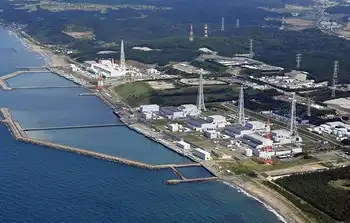
The strategy also includes two nuclear projects announced last week — a new large-scale nuclear plant at Bruce Power on the shore of Lake Huron and three new small modular reactors at the site of the Darlington nuclear plant east of Toronto.
Those projects, enough to power six million homes, will help Ontario end its reliance on natural gas to generate electricity, said Smith, but committing to a natural gas moratorium in 2027 and eliminating natural gas by 2050 is contingent on the federal government helping to speed up the new nuclear facilities.
“Today’s report, the Powering Ontario’s Growth plan, commits us to working towards a 100 per cent clean grid,” Smith said in an interview.
“Hopefully the federal government can get on board with our intentions to build this clean generation as quickly as possible … That will put us in a much better position to use our natural gas facilities less in the future, if we can get those new projects online.”
The IESO has said that natural gas is required to ensure supply and stability in the short to medium term, as Ontario works on balancing demand and emissions across the grid, but that it will also increase greenhouse gas emissions from the electricity sector.
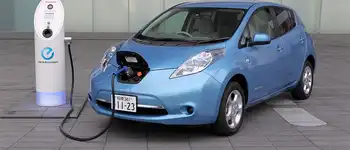
The province is expected to face increased demand for electricity from expanded electric vehicle use and manufacturing in the coming years, even as a $400-billion cost estimate for greening the grid is debated.
Keith Brooks, programs director for Environmental Defence, said the provincial plan could have been much more robust, containing firm timelines and commitments.
“This plan does not commit to getting emissions out of the system,” he said.
“It doesn’t commit to net zero, doesn’t set a timeline for a net zero goal or have any projection around emissions from Ontario’s electricity sector going forward. In fact, it’s not really a plan. It doesn’t set out any real goals and it doesn’t it doesn’t project what Ontario’s supply mix might look like.”
The Canadian Climate Institute applauded the plan’s focus on reducing reliance on gas-fired generation and emphasizing non-emitting generation, but also said there are still some question marks.
“The plan is silent on whether the province intends to construct new gas-fired generation facilities,” even as new gas plant expansions are proposed, senior research director Jason Dion wrote in a statement.
“The province should avoid building new gas plants since cost-effective alternatives are available, and such facilities are likely to end up as stranded assets. The province’s timeline for reaching net zero generation is also unclear. Canada and other G7 countries have set a target for 2035, something Ontario will need to address if it wants to remain competitive.”