Progress being made on doubling renewable electricity by 2030: SaskPower
Substation Relay Protection Training
Our customized live online or in‑person group training can be delivered to your staff at your location.
- Live Online
- 12 hours Instructor-led
- Group Training Available
SaskPower Renewable Energy 2030 advances 50% renewables through wind power, solar projects, and geothermal research, backed by natural gas capacity, grid integration, competitive procurement, PPAs, and capacity expansion to meet rising demand in Saskatchewan.
Story Summary
SaskPower's plan to reach 50% renewable power by 2030 via wind, solar, geothermal research, and supporting natural gas.
Renewables to rise from 25% to as much as 50% of supply by 2030.
Wind capacity to grow from 221 MW to about 2,100 MW by 2030.
Up to 60 MW ground solar by 2021; first 10 MW utility-scale tender issued.
Chinook Power Station adds 350 MW gas; another 350-700 MW site planned.
SaskPower says progress is being made on its goal of increasing renewable electricity generation from the current 25 per cent to as much as 50 per cent by 2030, as outlined in its 2019-20 annual report released.
The Crown corporation announced in 2015 it would reduce emissions by 40 per cent below 2005 levels by 2030, which would involve doubling the percentage of renewable electricity.
“Developing cleaner electricity generation options is essential to power Saskatchewan’s future and I’m excited to see that future continuing to take shape,” Tim Eckel, SaskPower’s vice-president of asset management, planning and sustainability, said in a press release.
“In the past two years, we have started a number of new renewable generation projects as well as projects that support renewable integration. Saskatchewan people will see more of that as we continue towards 2030.”
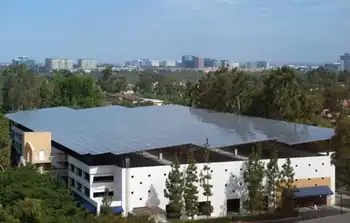
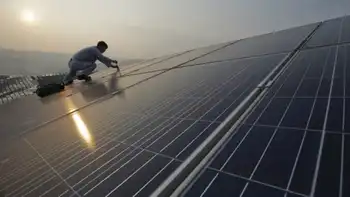
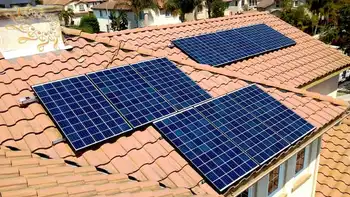
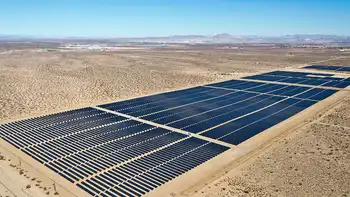
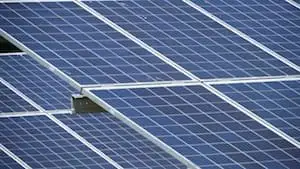
SaskPower has announced plans to add 60 megawatt (MW) of ground solar generation by 2021 through a combination of competitive procurement, a partnership with First Nations Power Authority and community projects such as the Flying Dust First Nation agreement now under consideration.
A competitive process for Saskatchewan’s first 10 MW utility-scale solar project has also been launched.
Wind power capacity is expected to increase from the current 221 MW to around 2,100 MW by 2030. SaskPower has launched the competitive process to buy up to 200 MW of wind generation with the successful proponent expected to be named this spring.
A power purchase agreement with DEEP Earth Energy Production Corp. was signed in May to allow further research into the potential for Saskatchewan’s first geothermal power project under study.
At the same time, SaskPower said it must increase its overall generation capacity in response to the province’s growing demand for electricity, including during record power demand periods.
“We are evaluating the full range of generation options, including imports from Manitoba Hydro as needed, which will allow us to determine the portfolio that best allows us to deliver reliable, cost-effective and sustainable power,” the Crown corporation said in a press release.
SaskPower has started construction on the Chinook Power Station, which will add 350 MW of natural gas generation as well as announced site considerations for the province’s next 350 MW to 700 MW natural gas plant.