Quebec and other provinces heading toward electricity shortage: report
CSA Z462 Arc Flash Training – Electrical Safety Compliance Course
Our customized live online or in‑person group training can be delivered to your staff at your location.

- Live Online
- 6 hours Instructor-led
- Group Training Available
Canada Electricity Shortage threatens renewable energy transition as EV adoption and building decarbonization surge; Hydro-Quebec exports, wind power expansion, demand response, and smart grid resilience shape investment and capacity planning.
Inside the Issue
A looming supply gap in central and eastern provinces driven by EVs, heating decarbonization, exports, and limited new hydro.
Report warns supply gaps vs EV, heating loads through 2030-2050
Utilities urged to revise plans; favor wind, storage, demand response
US export contracts limit Hydro-Quebec flexibility for domestic load
Smart meters and V2G improve flexibility but expand cyberattack risk
Quebec and other provinces in central and eastern Canada are heading toward a significant shortage of electricity to respond to the various needs of a transition to renewable energy, and Ontario's energy storage push underscores how supply is tightening across the region.
This is according to Polytechnique Montréal’s Institut de l’énergie Trottier, which published a report titled A Strategic Perspective on Electricity in Central and Eastern Canada last week.
The white paper says that at the current rate, most provinces will be incapable of meeting the electricity needs created by the increase in the number of electric vehicles, including the federal 2035 EV sales mandate that will amplify demand, and the decarbonization of building heating by 2030. “The situation worsens if we consider carbon neutrality objectives of the federal government and some provinces for 2050,” the institute says.
The researchers called on public utilities to immediately review their investment plans for the coming years in light of examples such as B.C.'s power supply challenges that accompany rapid green ambitions.
In a news conference Wednesday, Premier François Legault said the province could indeed be short on electricity as debates over Quebec's EV push continue. “We’re open to exploiting green hydrogen, if the price is good and also based on the electrical capacity we have. Because currently, we predict that in the coming years we’re going to lack electricity, so we must be prudent.”
Quebec is in a better position than other provinces because it is the largest hydroelectricity producer in the country. But that energy source also attracts new clients that have contributed to increased demand over the coming years, including data centres, cryptocurrency miners and greenhouses.
Report co-author Normand Mousseau said that while Hydro-Québec largely has the capacity to meet demand from electric vehicles, even amid EV shortages and wait times for buyers, heating and manufacturers, export contracts to the United States “risk reducing its leeway.”
Hydro-Québec will therefore have to find new sources of electricity, and Mousseau said the answer isn’t new dams.
“The reservoirs give an immense flexibility to the network, but we don’t have the capacity today to flood territories like we have done in the past,” said Mousseau, the institute’s scientific director. “From an environmental viewpoint and a social accessibility one, it’s unworkable.”
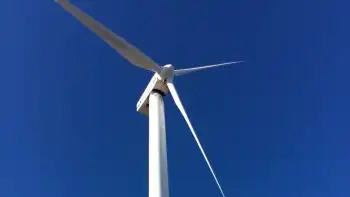
The solution would be more wind turbines, he said, adding construction could happen at “very competitive rates” and if there’s a surplus, “we can sell it without issue because other provinces are in an even worse situation than ours,” a reality echoed by eco groups in Northern Ontario sustainability discussions focused on the grid’s future.
The researchers propose solutions based on six themes: regulations, pricing, demand management, data, support for implementation and resilience.
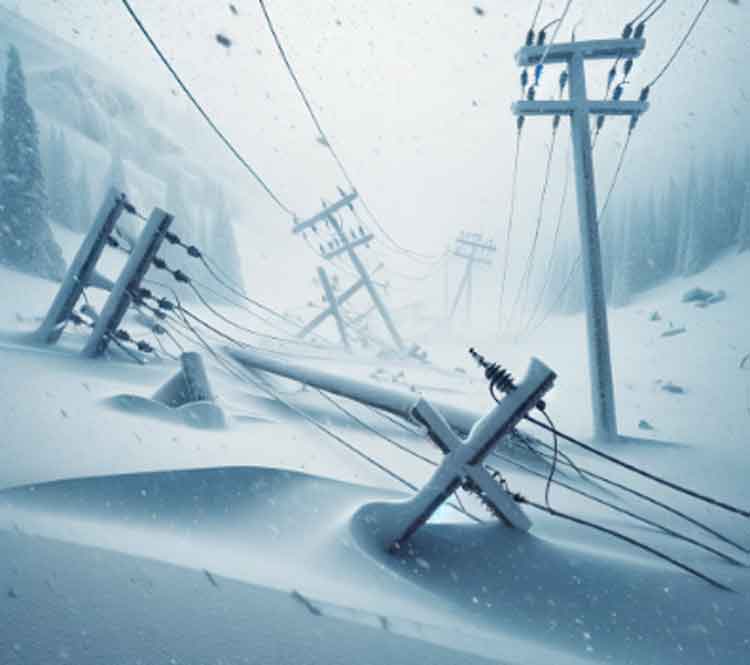
In the resilience category, the report notes that innovative technology like smart meters makes the network more flexible, with pilots such as EV-to-grid integration in Nova Scotia illustrating emerging options, but also increases the risk of cyberattacks. The more extreme weather caused by climate change also increases the risks of damage to infrastructure while at the same time increasing demand.