Experts Question Quebec's Push for EV Dominance
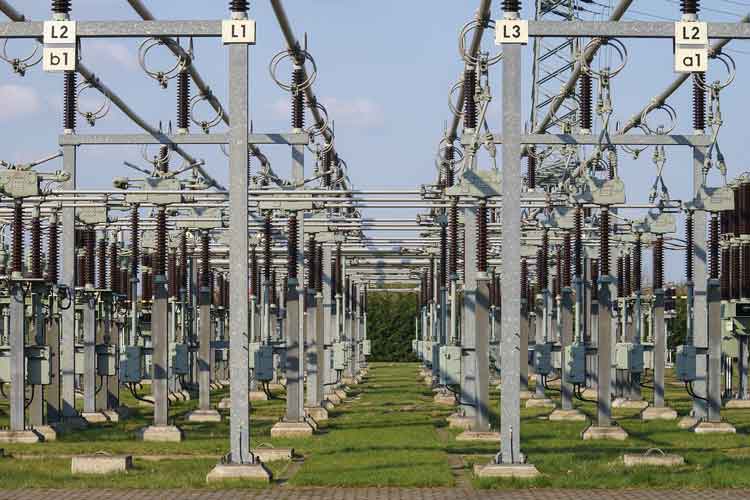
CSA Z463 Electrical Maintenance -
Our customized live online or in‑person group training can be delivered to your staff at your location.

- Live Online
- 6 hours Instructor-led
- Group Training Available
Quebec EV transition plan aims for 2 million electric vehicles by 2030 and bans new gas cars by 2035, stressing charging infrastructure, incentives, emissions cuts, and industry impacts, with debate over feasibility and economic risks.
At a Glance
A provincial policy targeting 2M EVs by 2030 and a 2035 gas-car sales ban, backed by charging buildout and incentives.
Target: 2M EVs by 2030; ban new gas car sales by 2035.
Infrastructure: rapid charging buildout and grid upgrades across Quebec.
Incentives and supply: subsidies help, but EV shortages persist.
Industry impact: gas stations stable; rapid phaseout poses economic risk.
Feasibility: align tech, consumers, and emissions goals with federal regs.
Quebec's ambitious push to dominate the electric vehicle (EV) market, echoing Canada's EV goals in its plan, by setting a target of two million EVs on the road by 2030 and planning to ban the sale of new gas-powered vehicles by 2035 has sparked significant debate among industry experts. While the government's objectives aim to reduce greenhouse gas emissions and promote sustainable transportation, some experts question the feasibility and potential economic impacts of such rapid transitions.
Current Landscape of Gas Stations in Quebec
Contrary to Environment Minister Benoit Charette's assertion that gas stations may become scarce within the next decade, industry experts suggest that the number of gas stations in Quebec is unlikely to decline drastically. Carol Montreuil, Vice President of the Canadian Fuels Association, describes the minister's statement as "wishful thinking," emphasizing that the number of gas stations has remained relatively stable over the past decade. Statistics indicate that in 2023, Quebec residents purchased more gasoline than ever before, and EV shortages and wait times further underscore the continued demand for traditional fuel sources.
Challenges in Accelerating EV Adoption
The government's goal of having two million EVs on Quebec roads by 2030 presents several challenges. Currently, there are approximately 200,000 fully electric cars in the province. Achieving a tenfold increase in less than a decade requires substantial investments in charging infrastructure, consumer incentives, and public education to address concerns such as range anxiety and charging accessibility, especially amid electricity shortage warnings across Quebec and other provinces.
Economic Considerations and Industry Concerns
Industry stakeholders express concerns about the economic implications of rapidly phasing out gas-powered vehicles. Montreuil warns that the industry is already struggling and that attempting to transition too quickly could lead to economic challenges, a view echoed by critics who label the 2035 EV mandate delusional. He suggests that the government may be spending excessive public funds on subsidies for technologies that are still expensive and not yet widely adopted.
Public Sentiment and Adoption Rates
Public sentiment towards EVs is mixed, and experiences in Manitoba suggest the road to targets is not smooth. While some consumers, like Montreal resident Alex Rajabi, have made the switch to electric vehicles and are satisfied with their decision, others remain hesitant due to concerns about vehicle cost, charging infrastructure, and the availability of incentives. Rajabi, who transitioned to an EV nine months ago, notes that while he did not take advantage of the incentive program, he is happy with his decision and suggests that adding charging ports at gas stations could facilitate the transition.
The Need for a Balanced Approach
Experts advocate for a balanced approach that considers the pace of technological advancements, consumer readiness, and economic impacts. While the transition to electric vehicles is essential for environmental sustainability, it is crucial to ensure that the infrastructure, market conditions, and public acceptance are adequately addressed, and to recognize that a share of Canada's electricity still comes from fossil fuels, to make the shift both feasible and beneficial for all stakeholders.
In summary, Quebec's ambitious EV targets reflect a strong commitment to environmental sustainability. However, industry experts caution that achieving these goals requires careful planning, substantial investment, and a realistic assessment of the challenges involved as federal EV sales regulations take shape, in transitioning from traditional vehicles to electric mobility.