B.C.'s Green Energy Ambitions Face Power Supply Challenges
Substation Relay Protection Training
Our customized live online or in‑person group training can be delivered to your staff at your location.
- Live Online
- 12 hours Instructor-led
- Group Training Available
British Columbia Green Grid Constraints underscore BC Hydro's rising imports, peak demand, electrification, hydroelectric variability, and transmission bottlenecks, challenging renewable energy expansion, energy security, and CleanBC targets across industry and zero-emission transportation.
The Main Points
They are capacity and supply limits straining B.C.'s clean electrification, driving imports and risking reliability.
FY2024 imports hit 13,600 GWh, 25% of load, raising security concerns.
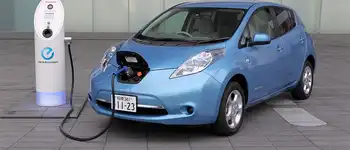
Demand surges from EVs, population, and industrial electrification.
Hydroelectric output varies with drought, exposing supply risk.
Transmission bottlenecks constrain peaks; new interties under review.
Province plans $36B over 10 years to expand, upgrade, and modernize grid.
British Columbia's ambitious green energy initiatives are encountering significant hurdles due to a strained electrical grid and increasing demand, with a EV demand bottleneck adding pressure. The province's commitment to reducing carbon emissions and transitioning to renewable energy sources is being tested by the limitations of its current power infrastructure.
Rising Demand and Dwindling Supply
In recent years, B.C. has experienced a surge in electricity demand, driven by factors such as population growth, increased use of electric vehicles, and the electrification of industrial processes. However, the province's power supply has struggled to keep pace, and one study projects B.C. would need to at least double its power output to electrify all road vehicles. In fiscal year 2024, BC Hydro imported a record 13,600 gigawatt hours of electricity, accounting for 25% of the province's total consumption. This reliance on external sources, particularly from fossil-fuel-generated power in the U.S. and Alberta, raises concerns about energy security and sustainability.
Infrastructure Limitations
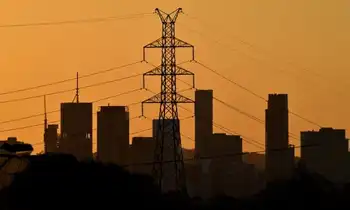
The current electrical grid is facing capacity constraints, especially during peak demand periods, and regional interties such as a proposed Yukon connection are being discussed to improve reliability. A report from the North American Electric Reliability Corporation highlighted that B.C. could be classified as an "at-risk" area for power generation as early as 2026. This assessment underscores the urgency of addressing infrastructure deficiencies to ensure a reliable and resilient energy supply.
Government Initiatives and Investments
In response to these challenges, the provincial government has outlined plans to expand the electrical system. Premier David Eby announced a 10-year, $36-billion investment to enhance the grid's capacity, including grid development and job creation measures to support local economies. The initiative focuses on increasing electrification, upgrading high-voltage transmission lines, refurbishing existing generating facilities, and expanding substations. These efforts aim to meet the growing demand and support the transition to clean energy sources.
The Role of Renewable Energy
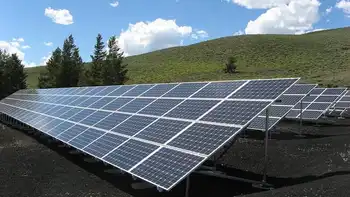
Renewable energy sources, particularly hydroelectric power, play a central role in B.C.'s energy strategy. However, the province's reliance on hydroelectricity has its challenges. Drought conditions in recent years have led to reduced water levels in reservoirs, impacting the generation capacity of hydroelectric plants. This variability underscores the need for a diversified energy mix, with options like a hydrogen project complementing hydro, to ensure a stable and reliable power supply.
Balancing Environmental Goals and Energy Needs
B.C.'s commitment to environmental sustainability is evident in its policies, such as the CleanBC initiative, which aims to phase out natural gas heating in new homes by 2030 and achieve 100% zero-emission vehicle sales by 2035, supported by networks like B.C.'s Electric Highway that expand charging access. While these goals are commendable, they place additional pressure on the electrical grid. The increased demand from electric vehicles and electrified heating systems necessitates a corresponding expansion in power generation and distribution infrastructure.
British Columbia's green energy ambitions are commendable and align with global efforts to combat climate change. However, achieving these goals requires a robust and resilient electrical grid capable of meeting the increasing demand for power. The province's reliance on external power sources and the challenges posed by climate variability highlight the need for strategic investments in infrastructure and a diversified energy portfolio, guided by BC Hydro review recommendations to keep electricity affordable. By addressing these challenges proactively, B.C. can pave the way for a sustainable and secure energy future.