B.C. Streamlines Regulatory Process for Clean Energy Projects
NFPA 70b Training - Electrical Maintenance
Our customized live online or in‑person group training can be delivered to your staff at your location.

- Live Online
- 12 hours Instructor-led
- Group Training Available
BCER Renewable Energy Permitting streamlines single-window approvals for wind, solar, and transmission projects in BC, cutting red tape, aligning with CleanBC, and accelerating investment, Indigenous partnerships, and low-carbon infrastructure growth provincewide.
A Closer Look
BC's single-window framework consolidates approvals for wind, solar, and transmission to accelerate energy projects.
Single-window permits via BC Energy Regulator (BCER)
Covers wind, solar, and high-voltage transmission lines
Aligns with CleanBC, supports Indigenous partnerships
In a decisive move to bolster clean energy initiatives, the government of British Columbia (B.C.) has announced plans to overhaul the regulatory framework governing renewable energy projects. This initiative aims to expedite the development of wind, solar, and other renewable energy sources, positioning B.C. as a leader in sustainable energy production.
Transitioning Regulatory Authority to the BC Energy Regulator (BCER)
Central to this strategy is the proposed legislation, set to be introduced in spring 2025, which will transfer the permitting and regulatory oversight of renewable energy projects, aligning with offshore wind regulation plans at the federal level, from multiple agencies to the BC Energy Regulator (BCER). This transition is designed to create a "single-window" permitting process, simplifying approvals and reducing bureaucratic delays for developers.
Expanding BCER's Mandate
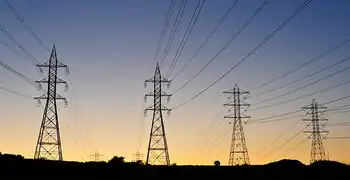
Historically known as the British Columbia Oil and Gas Commission, the BCER's mandate has evolved to encompass a broader range of energy projects. The upcoming legislation will empower the BCER to oversee renewable energy projects, including wind and solar, as well as high-voltage transmission lines like the North Coast Transmission Line (NCTL), in step with renewable transmission planning efforts elsewhere in North America. This expansion aims to streamline the regulatory process, providing developers with a single point of contact throughout the project lifecycle.
Economic and Environmental Implications
The restructuring is expected to unlock significant economic opportunities. Projections suggest that the streamlined process could attract between $5 billion and $6 billion in private investment and complement recent federal grid modernization funding initiatives, generating employment opportunities and fostering economic growth. Moreover, by facilitating the rapid deployment of renewable energy projects, B.C. aims to enhance its clean energy capacity, contributing to global sustainability goals.
Strengthening Partnerships with Indigenous Communities
A pivotal aspect of this initiative is the emphasis on collaboration with Indigenous communities. The government has highlighted the importance of engaging First Nations in the development process, ensuring that projects are not only environmentally sustainable but also socially responsible. This approach seeks to honor Indigenous rights and knowledge, fostering partnerships that benefit all stakeholders.
Supporting Infrastructure Development
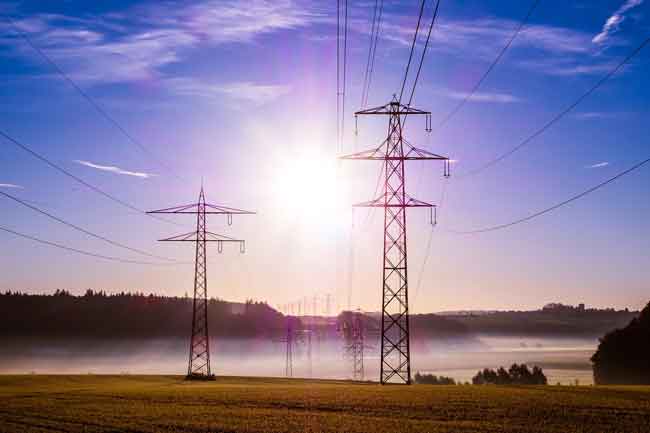
The acceleration of renewable energy projects necessitates corresponding infrastructure enhancements. The NCTL, for instance, is crucial for meeting the increased electricity demand from sectors such as mining, port electrification, and hydrogen production, and for addressing regional grid constraints that limit renewable integration. By improving the transmission infrastructure, B.C. aims to support the growing energy needs of these industries while promoting clean energy solutions.
Aligning with CleanBC Objectives
This regulatory overhaul aligns seamlessly with B.C.'s CleanBC initiative, which sets ambitious targets for reducing greenhouse gas emissions and promoting energy efficiency, and supports Canada's goal of zero-emissions electricity by 2035 under active consideration. By removing regulatory barriers and expediting project approvals, the government aims to accelerate the transition to a low-carbon economy, positioning B.C. as a hub for clean energy innovation.
Addressing Potential Challenges
While the initiative has been lauded for its potential, experts caution that careful consideration must be given to environmental assessments and Indigenous consultation processes, as well as to lessons from Alberta's solar expansion challenges on land use and grid impacts. Ensuring that projects meet environmental standards and respect Indigenous rights is crucial for the long-term success and acceptance of renewable energy developments.
The proposed changes mark a significant shift in B.C.'s approach to energy development, reflecting a commitment to sustainability and economic growth. As the legislation moves through the legislative process, stakeholders across the energy sector are closely monitoring developments, particularly as Alberta ends its renewables moratorium and resumes project approvals across the Prairies, anticipating a more efficient and transparent regulatory environment that supports the rapid expansion of renewable energy projects.
B.C.'s plan to streamline the regulatory process for clean energy projects represents a bold step toward a sustainable and prosperous energy future. By consolidating regulatory authority under the BCER, fostering Indigenous partnerships, and aligning with broader environmental objectives, the province is setting a precedent for effective governance in the transition to renewable energy.